
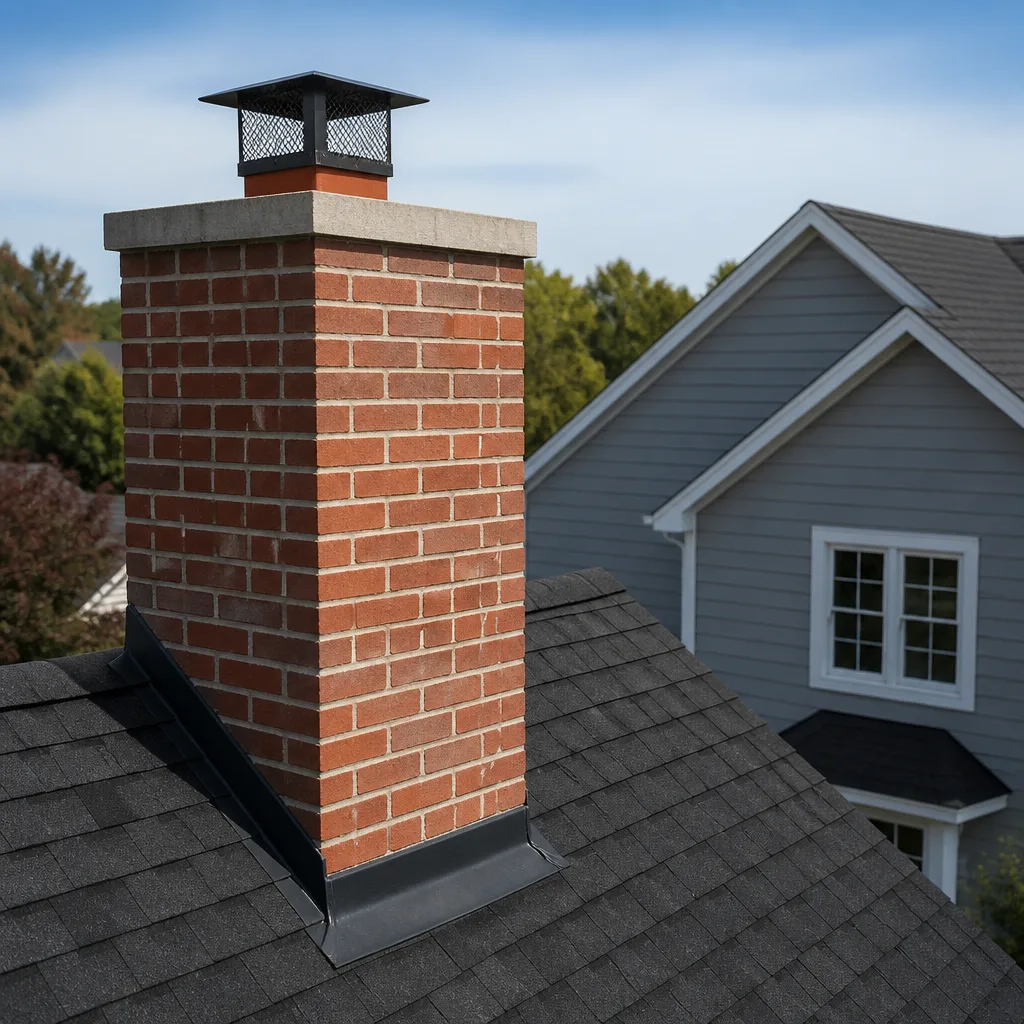
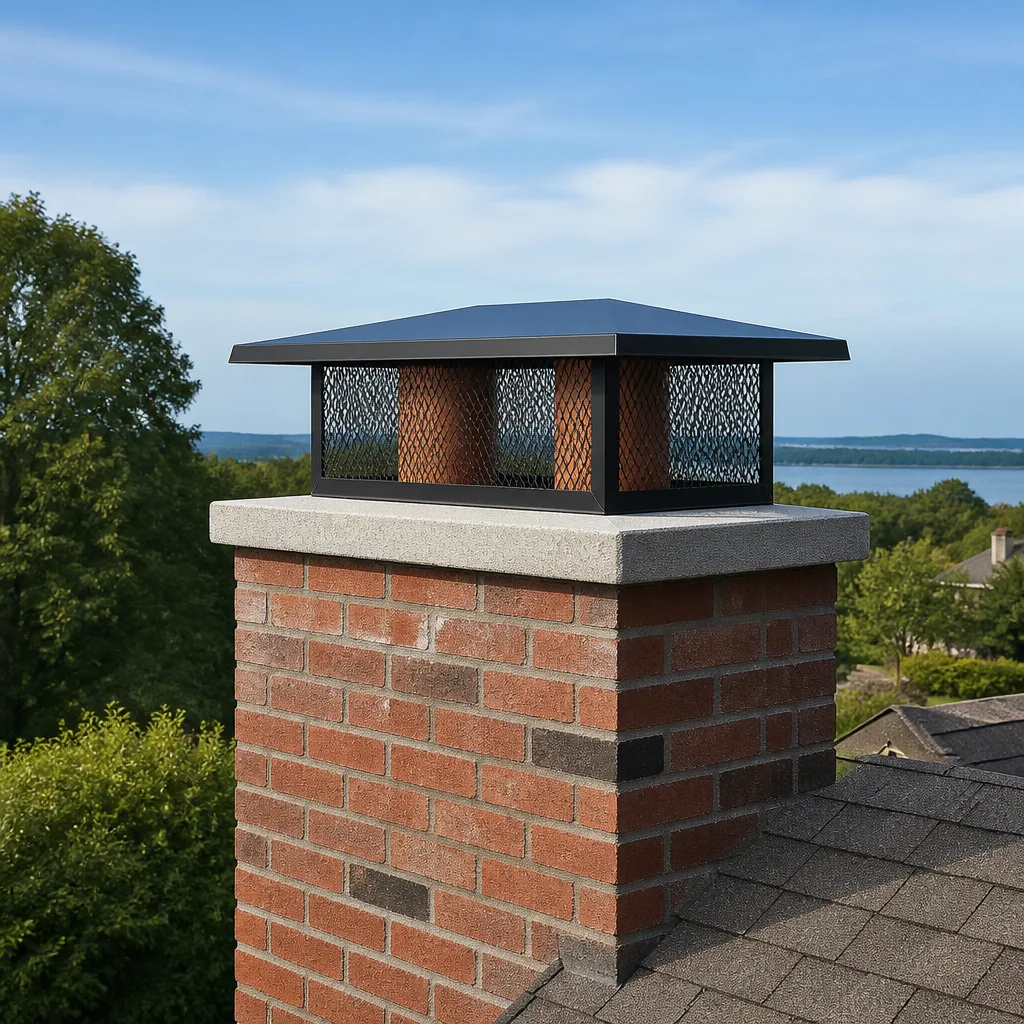
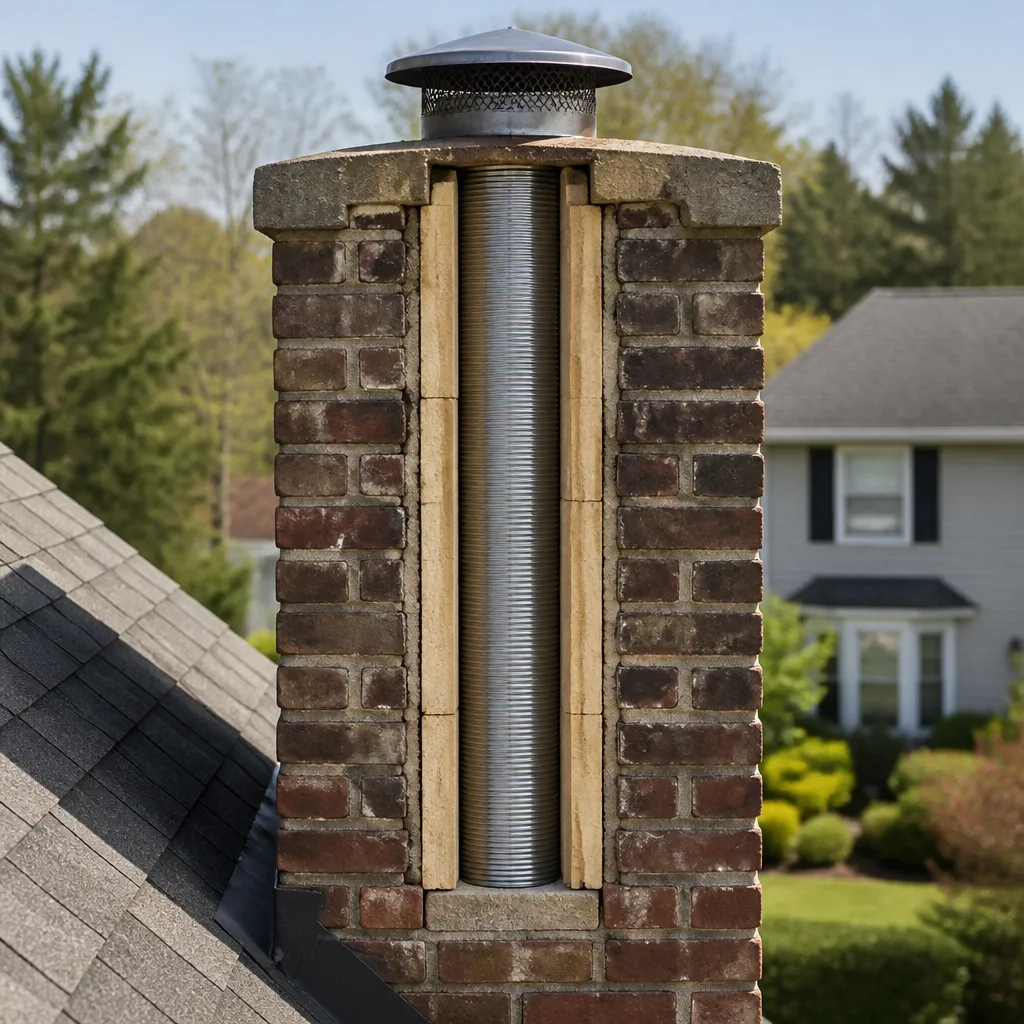
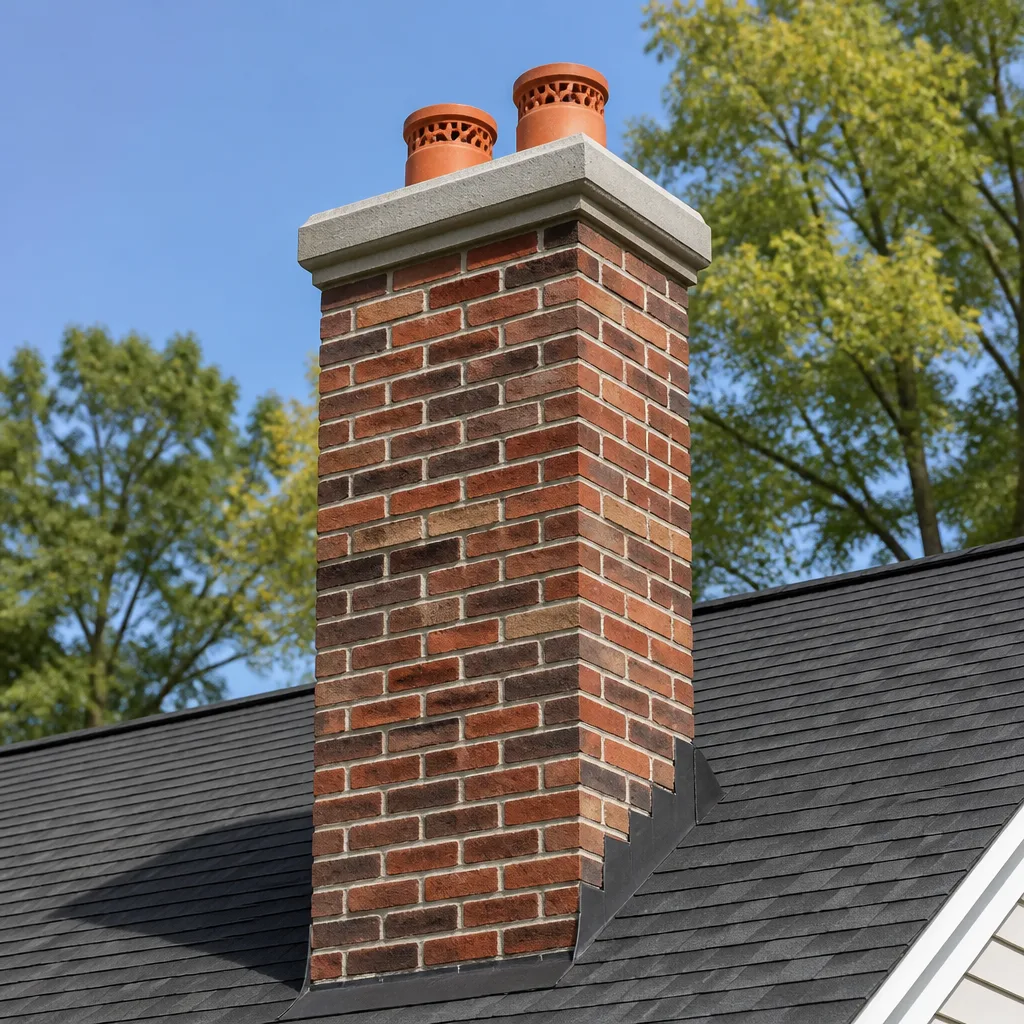
Level 1 sweep and inspection to the NFPA 211 annual standard - flue, crown, cap, and flashing checked and photographed
Chimney sweep logs do not sweep chimneys. They loosen some creosote - which then falls where a brush and vacuum still have to collect it.
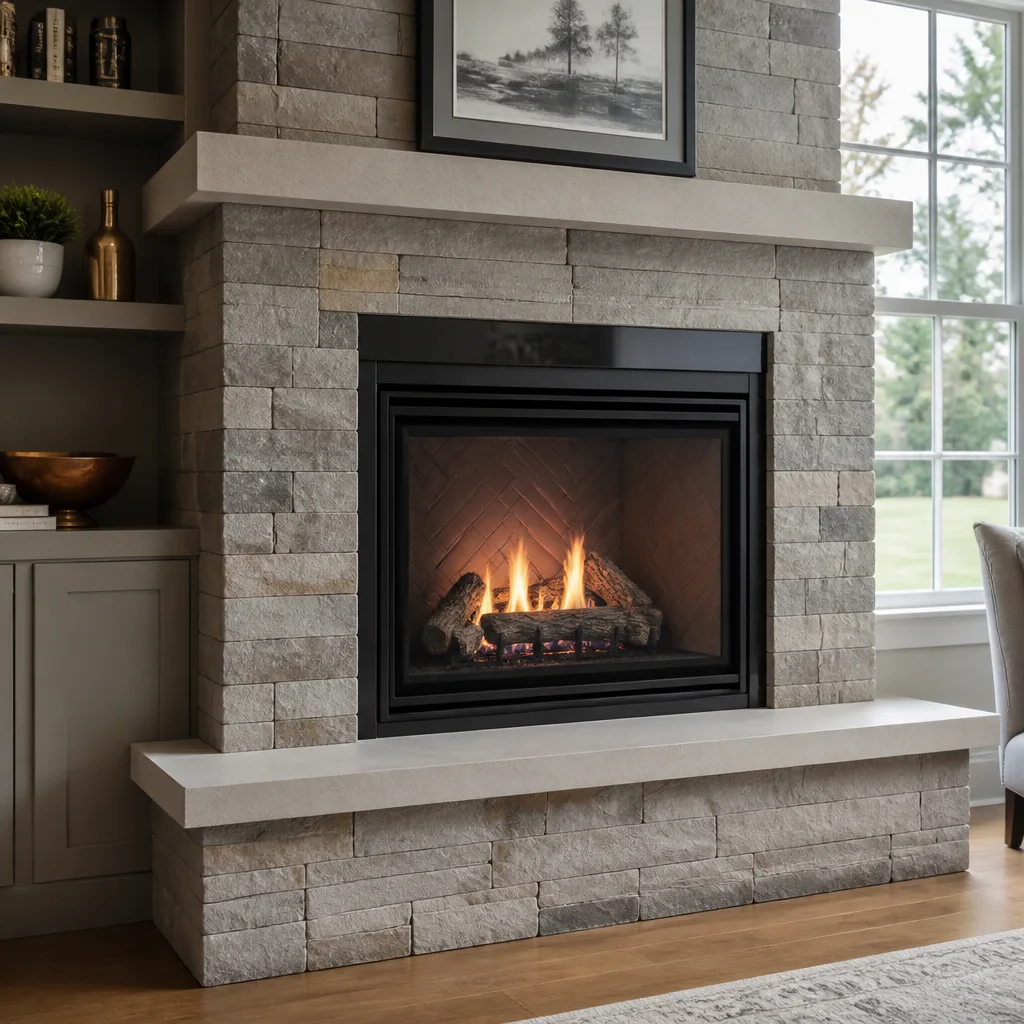
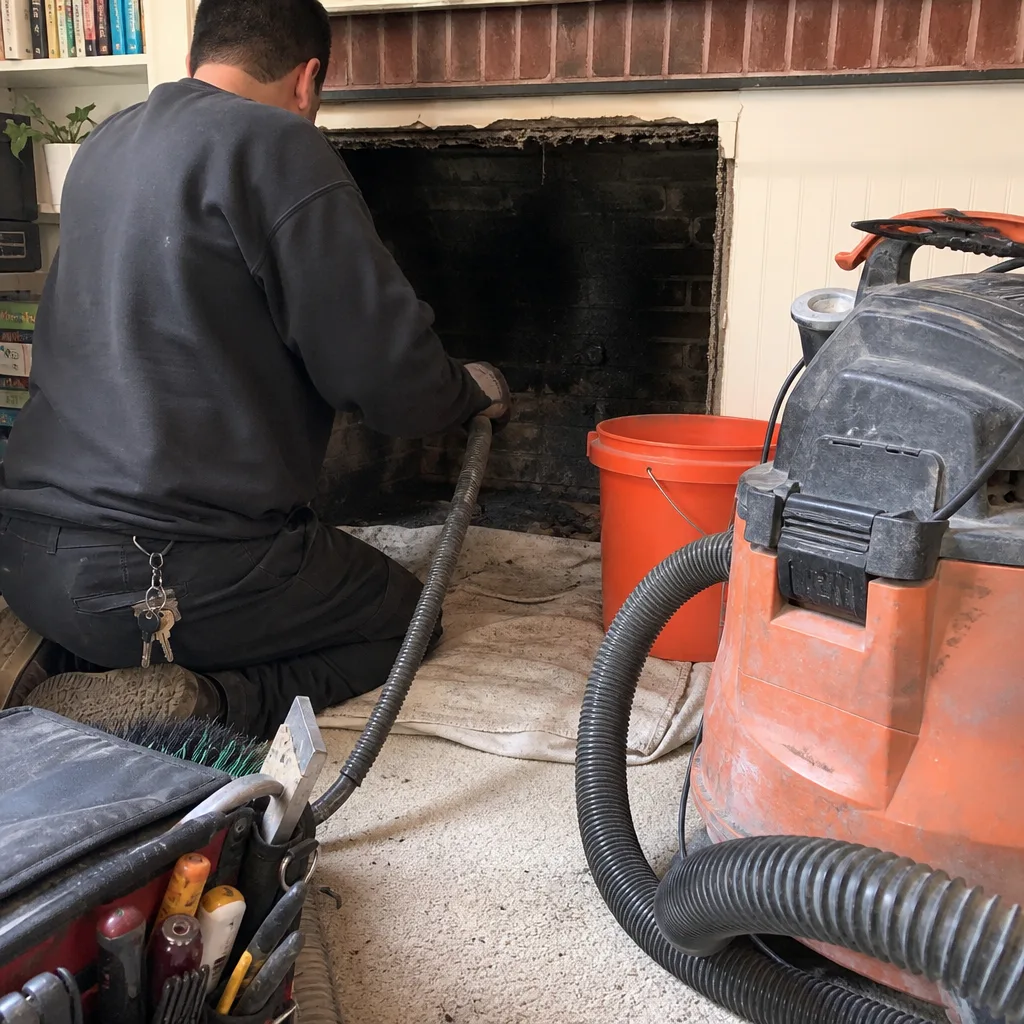 Before
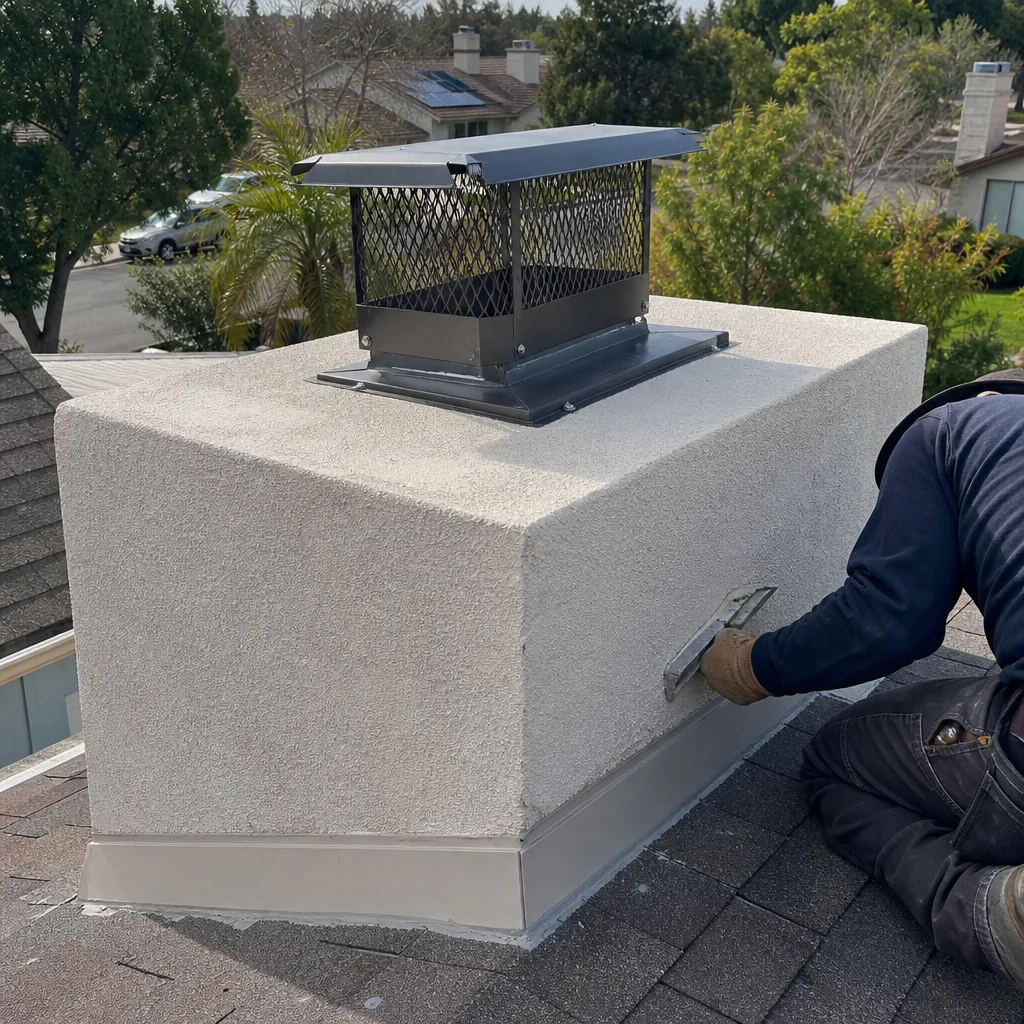 After
After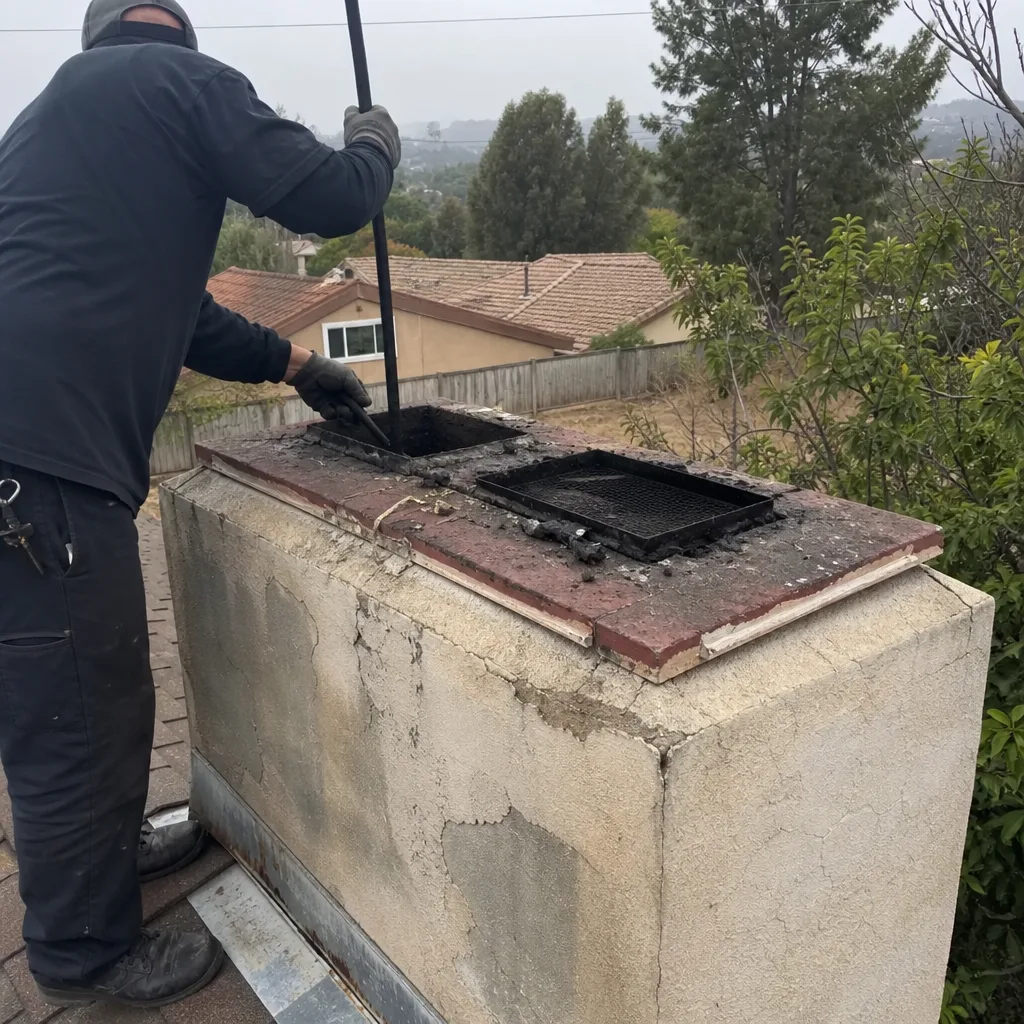 Before
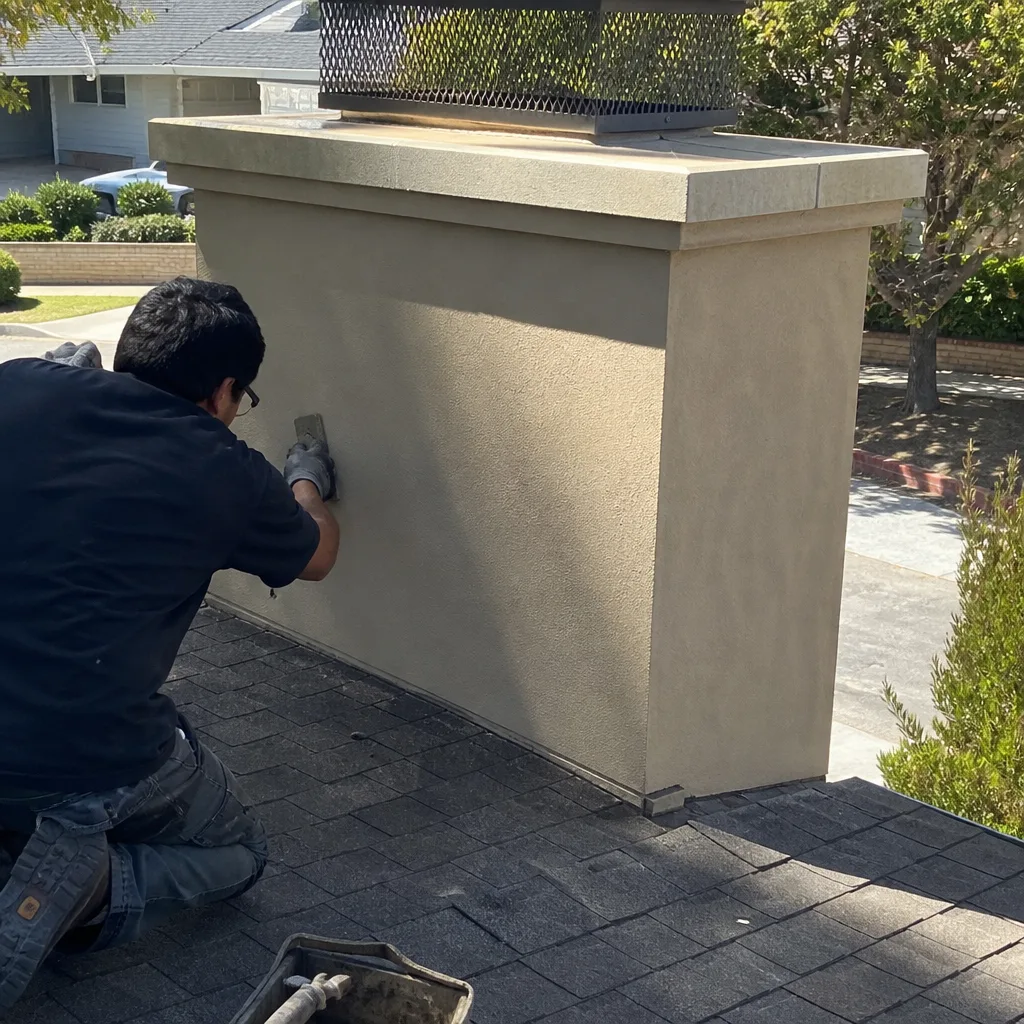 After
After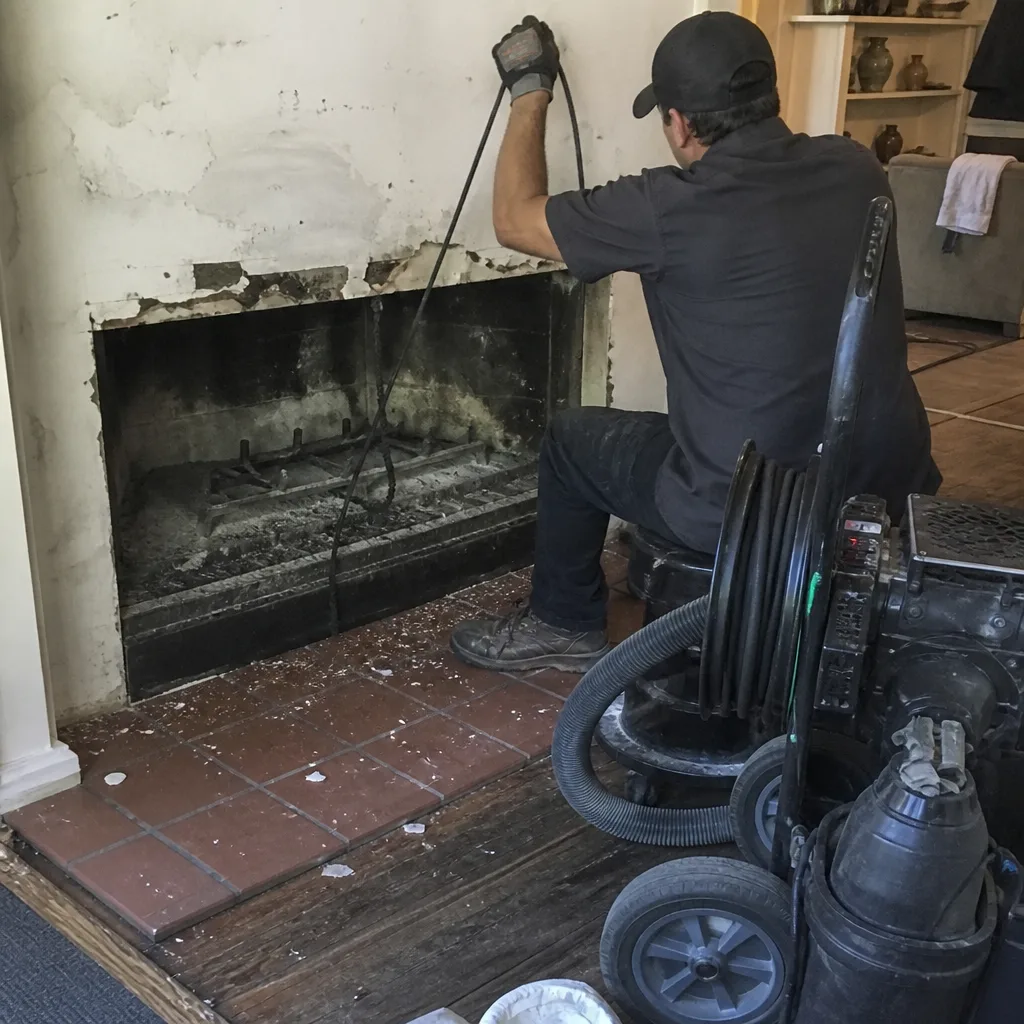 Before
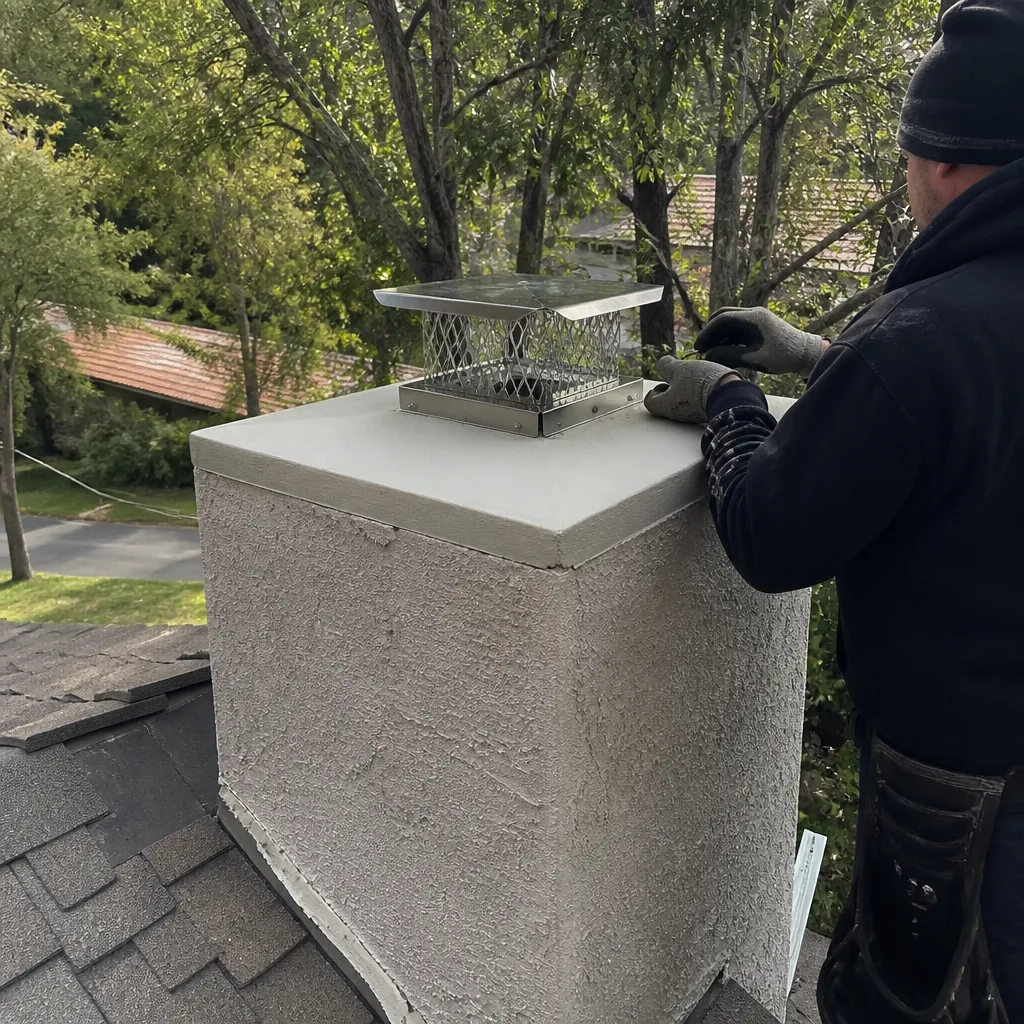 After
AfterSoot Removal in Thousand Oaks, CA
Soot removal in Thousand Oaks typically runs between $149 and $349, depending on how heavily the flue is coated and whether the firebox and smoke chamber need attention alongside the liner. For a detailed breakdown, see our How Much Does Chimney Cleaning & Sweep Cost? (2026 Price Guide) - Thousand Oaks, CA. Most appointments are completed in a single visit, and we hand you a written price before anyone touches the chimney.
Soot is the fine black carbon residue that forms every time wood or gas burns incompletely. It builds up on the flue liner, smoke shelf, and firebox walls with each fire you light, and left unaddressed it narrows the flue opening, degrades the liner surface, and gives creosote – a far more hazardous deposit – a rough surface to grip onto. If your Thousand Oaks home has a wood-burning fireplace, a wood stove insert, or even a gas log set that runs with the damper partially closed, soot accumulation is a routine part of ownership, not a sign anything has gone wrong. Getting it cleaned out annually, or sooner if you see visible buildup, is the maintenance step that keeps the rest of the chimney system working the way it should.
Level Two Chimney Thousand Oaks has worked on more than 38,000 chimneys since 2009, every one documented with a photo record and quoted in writing before work started. Our Chimney Cleaning & Sweep in Thousand Oaks service covers the full system – firebox, smoke chamber, flue liner, and damper – and soot removal is a core part of that scope, not an add-on you’ll see tacked onto the invoice at the end. Call us at (424) 786-6130 and a live person answers, any time of day or night.
When You Need Soot Removal
A few clear signs tell you the soot load in your chimney has reached a point where cleaning is overdue. This is especially common in Thousand Oaks neighborhoods like Wildwood, Lang Ranch, and Lynn Ranch, where homes built in the 1980s and 1990s often have older clay-tile liners that accumulate deposits faster than newer systems.
- You see visible black coating on the firebox walls or damper plate. A thin grey film is normal after a season of use. A thick, matte-black coating that flakes or powders when you touch it signals a soot level that warrants professional cleaning.
- You notice smoke backing into the room when you light a fire. A soot-narrowed flue creates draft resistance. The smoke takes the path of least resistance – which is sometimes into your living room rather than up and out the chimney.
- There’s a persistent burnt or musty smell from the fireplace even when it isn’t in use. Soot absorbs moisture during Thousand Oaks’ rainy season (roughly November through March), and that damp carbon smell seeping into the room is a reliable indicator of a coating that needs to come out.
- You haven’t had the chimney cleaned in more than 12 months and burned regularly last season. NFPA 211 – the national standard we work to on every Level Two inspection – recommends annual cleaning for chimneys in active use. Southern California’s dry climate doesn’t reduce soot formation; it just means the deposits stay drier and lighter, which actually makes them easier to remove early but trickier to spot without a camera scan.
- A prior inspection report noted soot buildup but you haven’t scheduled the cleaning yet. If you have a written report from another company and want a second look before committing, we’ll review it at no charge. Bring the written estimate and we’ll tell you exactly what we see.
- You’re preparing to sell or purchase a home in Thousand Oaks. Real estate transactions in Ventura County increasingly involve a chimney inspection as part of due diligence. A dirty, soot-coated flue often flags issues in disclosure documents that delay or complicate a close.
Our Soot Removal Process
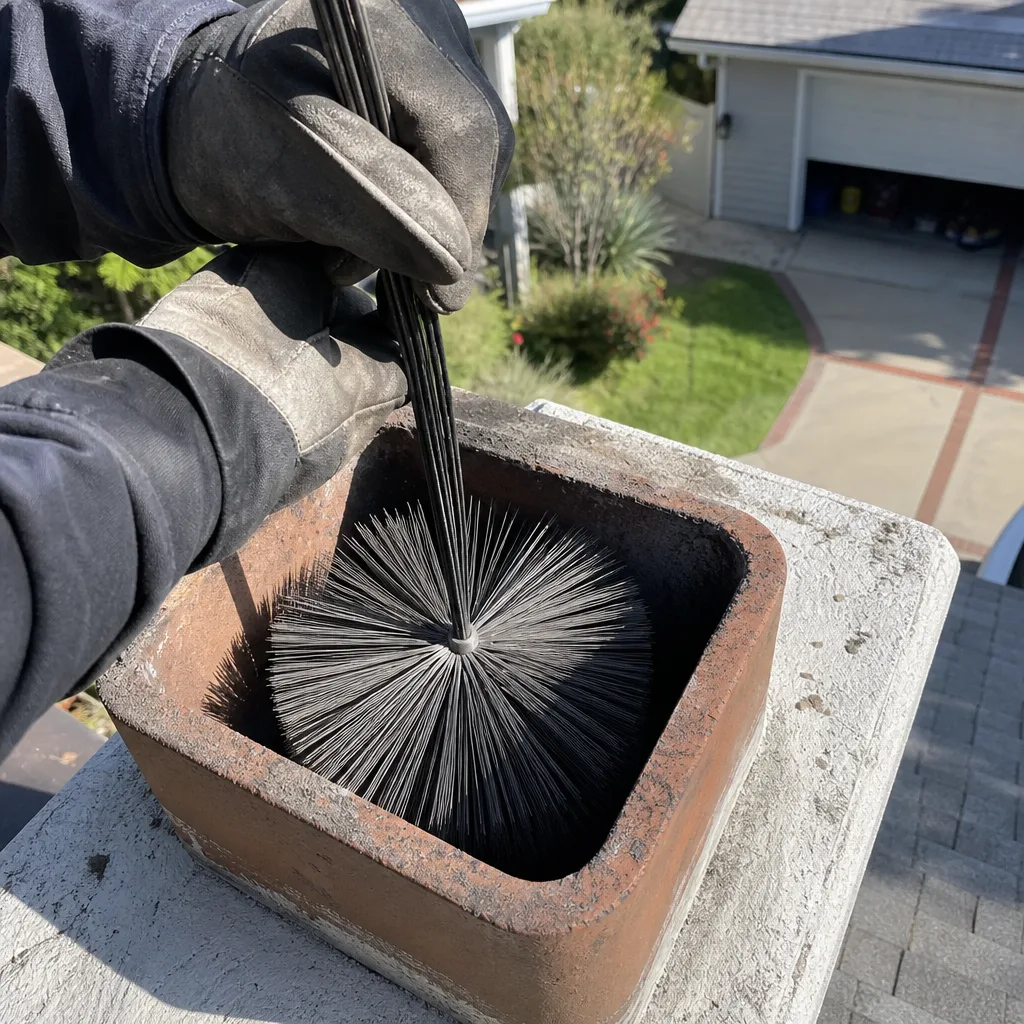
We follow the same documented sequence on every job because a consistent process is the only thing that produces a consistent result. Here’s what happens from the moment we arrive at your Thousand Oaks home to the moment we hand you your paperwork.
- Pre-work written price and scope. Before the equipment comes off the truck, we confirm the written price and written scope with you. Under Haven Standard Clause 1 (the “Have It in Writing” clause), no work starts without your signature on a document that names exactly what we’re doing and exactly what it costs. There are no verbal estimates followed by a different number on the invoice.
- Camera scan of the flue liner (NFPA 211 Level 2). We run a camera down the flue before cleaning so we can document the pre-cleaning condition – soot depth, any liner cracking or spalling, the state of the smoke shelf and smoke chamber. This baseline shot is part of your photo record and tells us whether we’re dealing with standard soot or whether there’s creosote layering underneath that changes the scope. Skipping this step is how companies miss Class II or Class III creosote hiding under a soot layer.
- Drop cloths, HEPA vacuum, and seal-off. The firebox opening gets sealed with a dust barrier connected to a HEPA-filtered vacuum. This keeps fine carbon particles out of your living space during the sweep. We’ve worked in homes across Thousand Oaks with light-colored carpet, hardwood floors, and furniture that can’t be moved, and we leave those surfaces the way we found them.
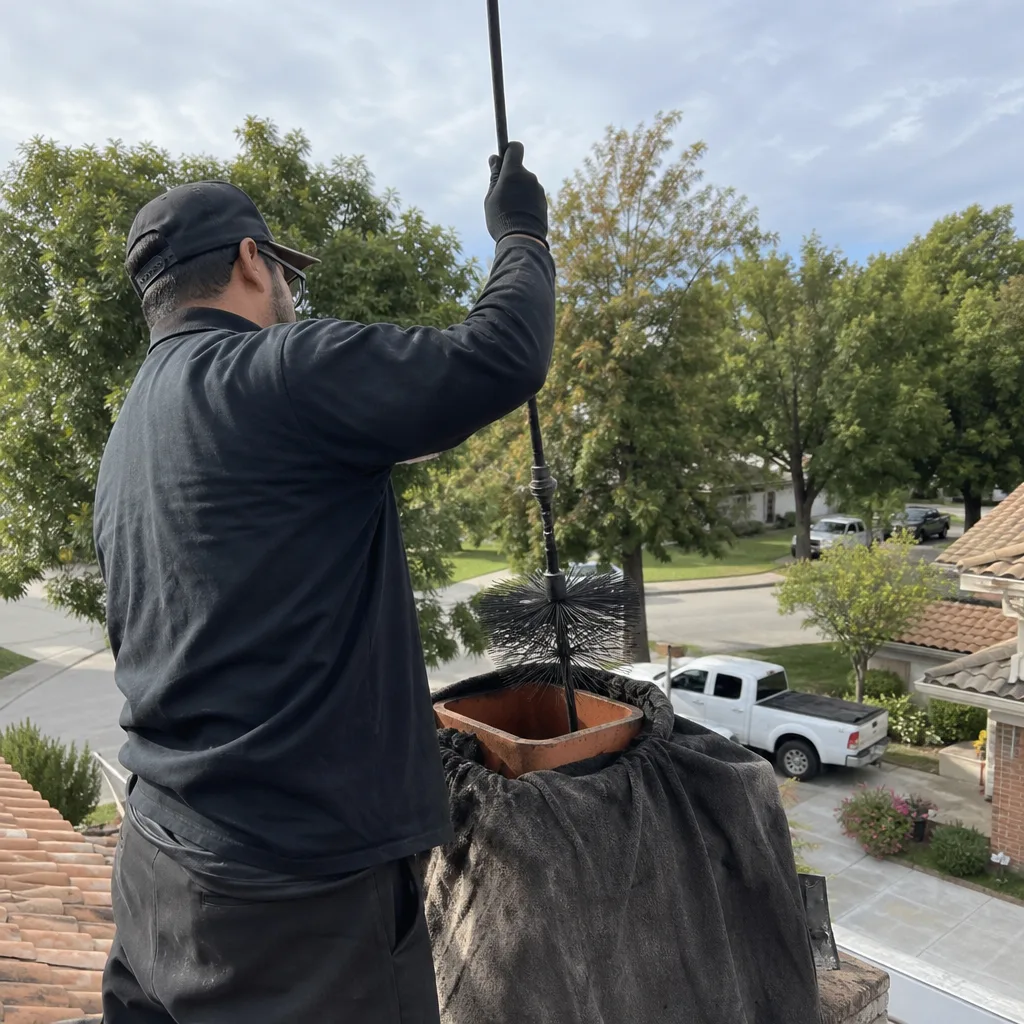
- Top-down chimney sweep with rotary brushing. Using chimney brushes sized to your specific liner diameter – round, oval, or rectangular, depending on the flue – we work from the top cap down through the liner, then address the smoke chamber, smoke shelf, and firebox walls. Soot from the upper liner falls into the vacuum system rather than into the room. Tools sourced through our supply network include Copperfield-grade brushes, which hold their shape and diameter tolerance through hundreds of uses.
- Post-clean camera scan and documentation. After cleaning, the camera goes back down. You get before-and-after images showing the liner surface, the smoke chamber wall condition, and the damper area. If the post-clean scan reveals anything that wasn’t visible under the soot layer – a crack in the flue tile, deteriorating mortar joints, a damaged smoke shelf – we note it in writing with a photo reference, then explain what it means and what it would cost to address. No pressure to add work on the spot.
- Written report and 365-Day Done Right Promise. You receive a written report covering what we found, what we did, and the current condition of the system. Every job at Level Two Chimney Thousand Oaks carries the 365-Day Done Right Promise: if the work isn’t right, we make it right. That promise is documented, not just stated.
 Before
 After
AfterSoot Removal Pricing in Thousand Oaks
Soot removal in Thousand Oaks runs between $149 and $349 for a standard single-flue wood-burning fireplace. The range exists because several real variables change the labor and time involved. We publish this range because “call for a quote” on a pricing page is not useful information – you can use the table below to get a reasonable sense of where your job lands before you call.
| Service Scope | Typical Price Range |
|---|---|
| Light soot removal – single flue, standard firebox, minimal buildup | $149 – $199 |
| Moderate soot removal – single flue with smoke chamber and smoke shelf cleaning | $199 – $279 |
| Heavy soot with partial creosote layer – single flue, extended brush time | $279 – $349 |
| Two-story or extended-height flue (common in Lang Ranch and Sunset Hills estates) | Add $40 – $80 |
| Gas fireplace soot and residue cleaning | $149 – $219 |
| Camera scan and documented photo record | Included on every visit |
What moves the number: Flue height and liner diameter are the two biggest factors – a two-story flue in a Sunset Hills custom home takes more time and a longer brush run than a single-story tract home in Newbury Park. Soot depth matters too. Light soot brushes out quickly. Heavy soot that has absorbed moisture over multiple wet seasons, or soot layered over early-stage creosote, takes more passes and more time. If the pre-clean camera scan reveals Class II or Class III creosote underneath the soot, that shifts the job to a different scope and a different price – which we’ll quote in writing before continuing. You’ll never discover an added charge after the work is done.
If you’ve already received a written estimate from another company, bring it. We’ll give you a free second opinion on any written quote and tell you exactly what we see when the camera goes down.
Call (424) 786-6130 for your written estimate. There’s no obligation, no voicemail, and no web form standing between you and a real answer.
FAQs – Soot Removal
Is soot removal the same as a chimney sweep?
Soot removal is a core part of a chimney sweep, but not always the whole scope. A full chimney sweep covers the flue liner, smoke chamber, smoke shelf, firebox, and damper – and soot removal is the cleaning component that addresses the carbon deposits throughout those areas. Some sweeps also involve creosote treatment or removal, which is a heavier deposit that forms at higher flue temperatures and requires different tools. When you book Chimney Cleaning & Sweep services with Level Two Chimney Thousand Oaks, we camera-scan first so we can tell you exactly what’s present before we name a price. Call (424) 786-6130 and we’ll walk you through what your system likely needs based on fuel type, frequency of use, and last cleaning date.
How often should I have soot removed from my Thousand Oaks chimney?
For a wood-burning fireplace used regularly through the fall and winter season, Annual Sweep cleaning is the standard NFPA 211 recommends and what we see the data support across the Thousand Oaks homes we service. If you burn two or three nights a week from October through February, a late-summer appointment before the season starts makes practical sense. If you use the fireplace only occasionally – a few times per season – you may be able to extend to every 18 months, but a camera scan rather than a visual guess is the right way to make that call. Gas fireplace users often go longer between cleanings, but soot and residue still accumulate, and we see buildup on gas systems in Thousand Oaks homes every season.
Can soot in the flue cause a fire?
Soot itself burns at a much lower temperature than creosote, so it isn’t the primary fire hazard – but it does create conditions that raise fire risk. Heavy soot narrows the flue, which reduces draft and raises flue gas temperatures. Higher temperatures accelerate creosote formation on top of the soot layer. Class III creosote (a glazed, tar-like deposit) is what creates the conditions for a chimney fire. Soot is the early warning system: addressing it before creosote develops is much simpler and less expensive than treating a chimney that has progressed to advanced deposits. This is a job for a trained technician regardless of soot level – high-temperature fires inside a confined flue are not something to assess with a flashlight. Our pre-clean camera scan documents exactly what’s present so the decision is based on real evidence, not guesswork.
What does the soot removal appointment actually include at Level Two Chimney Thousand Oaks?
Every soot removal appointment includes: a pre-cleaning NFPA 211 Level 2 camera scan with documented images, a written price and scope before work starts, HEPA-filtered dust control during the sweep, top-down rotary brushing of the flue liner plus smoke chamber and firebox cleaning, a post-cleaning camera scan with before-and-after photo documentation, and a written report of findings when we’re done. The photo record is included under Haven Standard Clause 4 on every single visit – it isn’t an upgrade. The 365-Day Done Right Promise covers the work. If something wasn’t done right, we make it right. Call (424) 786-6130 to schedule or to get a written estimate for your Thousand Oaks home before committing to anything.
Why Thousand Oaks Homeowners Choose Level Two Chimney
A few things about this market matter. Thousand Oaks sits at the eastern edge of Ventura County, and the Conejo Valley’s marine-influenced winters mean chimneys here cycle through damp, cool air followed by dry Santa Ana wind conditions. That cycle – moisture in, dry heat out – is hard on mortar joints and accelerates the way soot absorbs and releases humidity inside the flue. We see it in homes across Newbury Park, Westlake Village, Oak Park, and the hillside neighborhoods above Moorpark Road. The deposits we pull out of a Lynn Ranch chimney after a wet February look different from what we find in an inland market, and our camera documentation tracks that pattern job to job.
Level Two Chimney Thousand Oaks has operated under the Haven Standard since 2009. More than 38,000 inspections and cleanings since then, every one with a written price before work started and a documented photo record at the end. Corrine Halstead leads the company, and her name is on the work. That means the 365-Day Done Right Promise is backed by a person, not a policy document.
Our home base covers Thousand Oaks and the surrounding Conejo Valley, and we source materials from suppliers including DuraFlex and Copperfield, procured through Haven’s buying network to keep the cost to you honest.
If you want to know what’s in your chimney – exactly, with photos, at a written price – call (424) 786-6130 to reach Chimney Cleaning & Sweep Near Me in Thousand Oaks, CA. A live person picks up. We’ll set a time, send a text when the tech is on the way, and hand you a written report when the job is done.
Written by Corrine Halstead, Owner at Level Two Chimney Thousand Oaks, serving Thousand Oaks.