
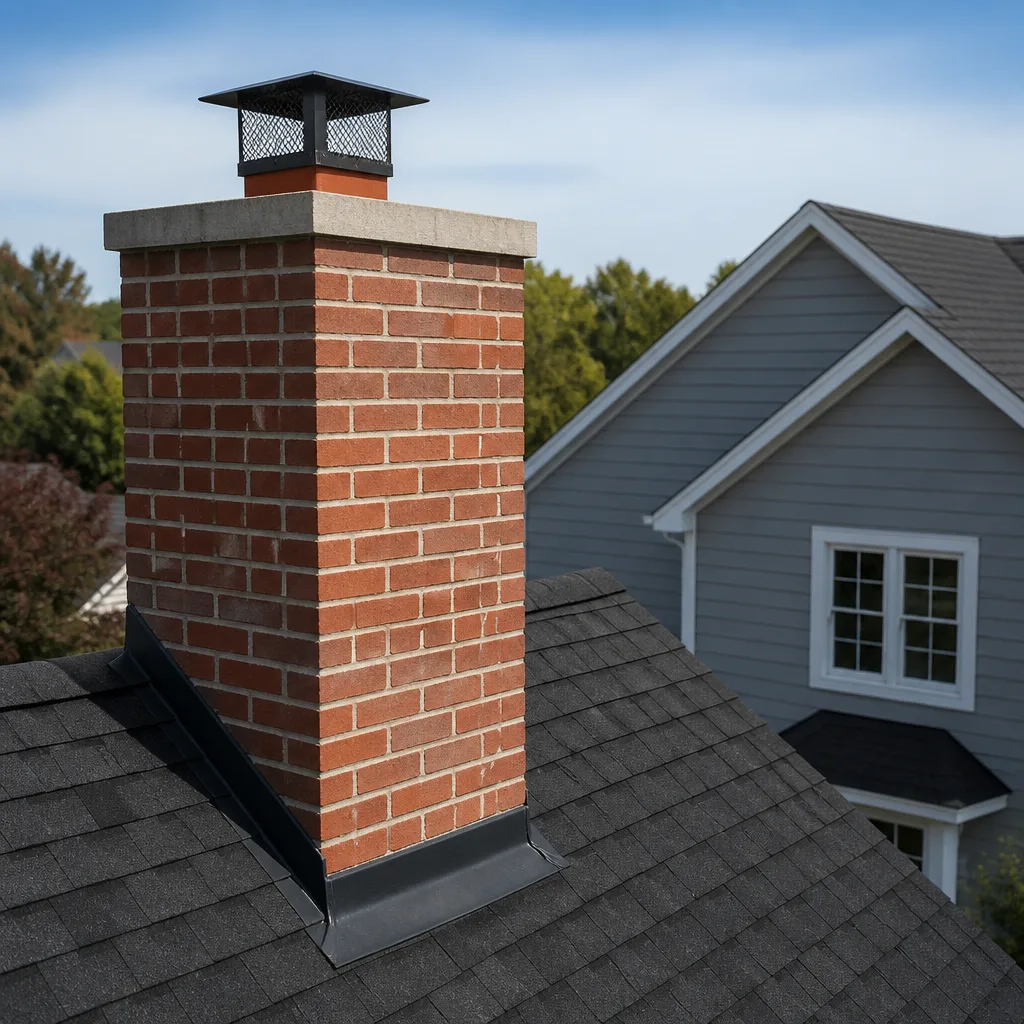
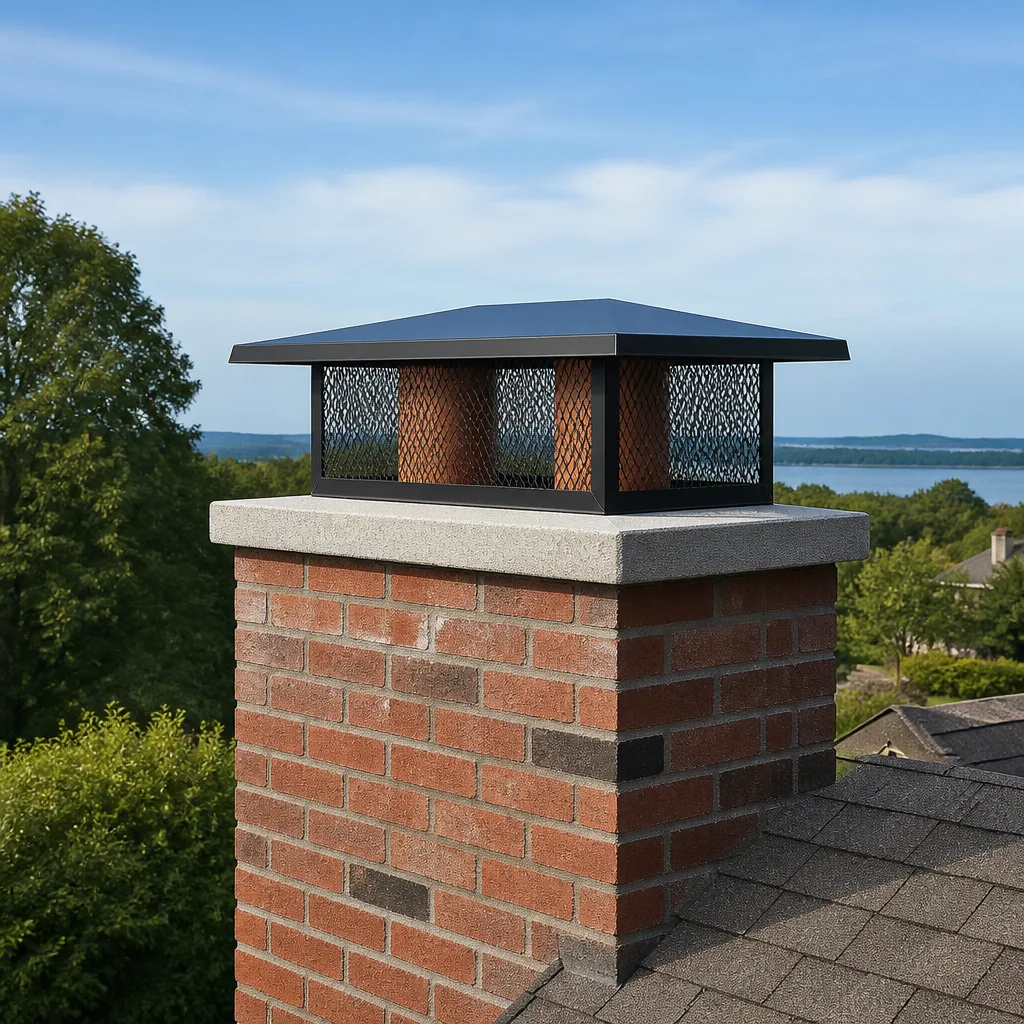
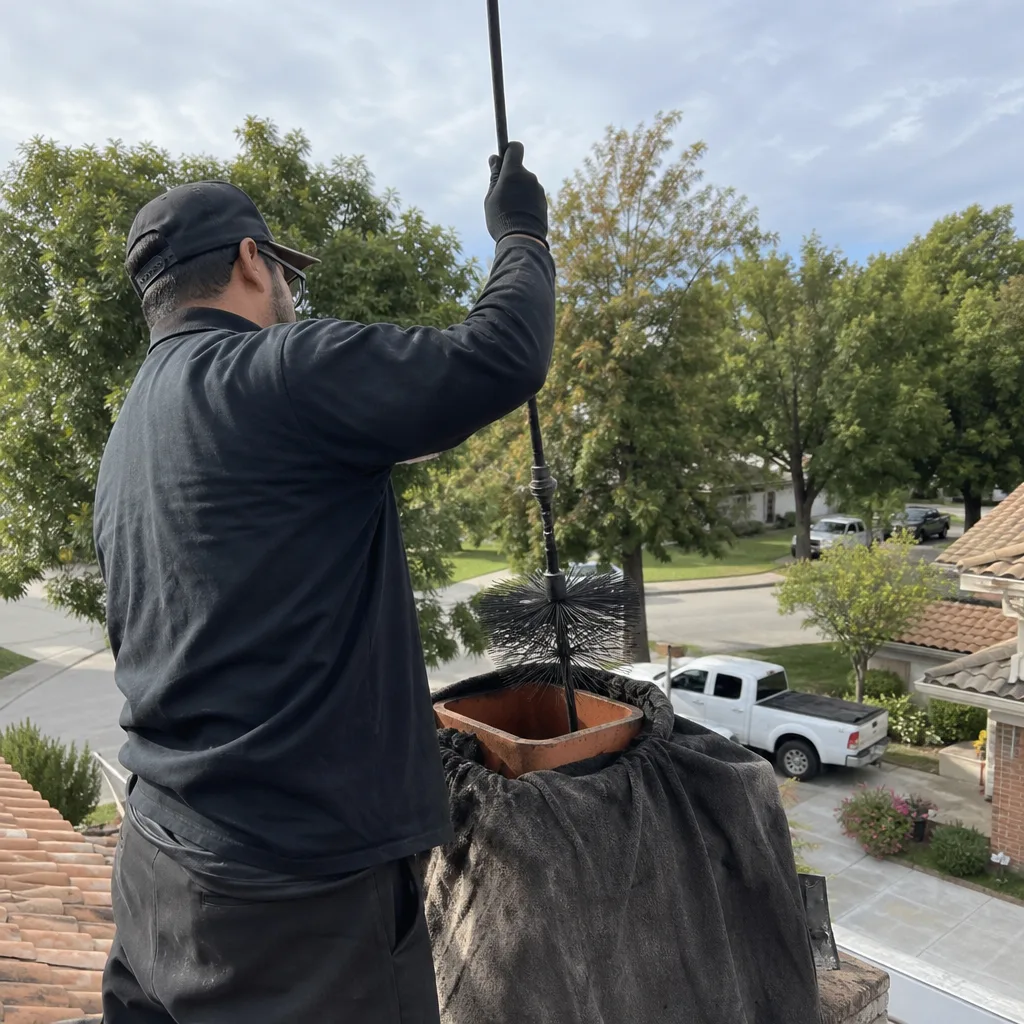
Level 1 sweep and inspection to the NFPA 211 annual standard - flue, crown, cap, and flashing checked and photographed
Chimney sweep logs do not sweep chimneys. They loosen some creosote - which then falls where a brush and vacuum still have to collect it.
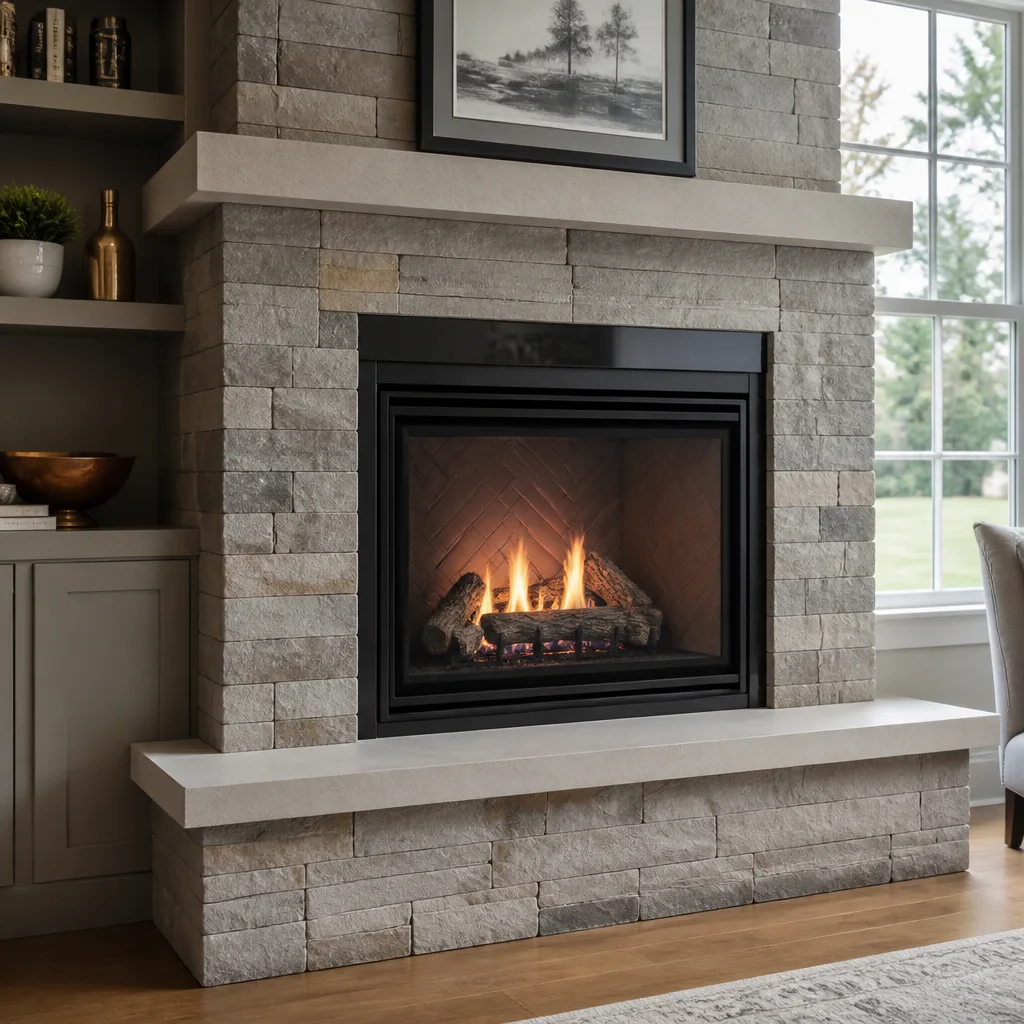
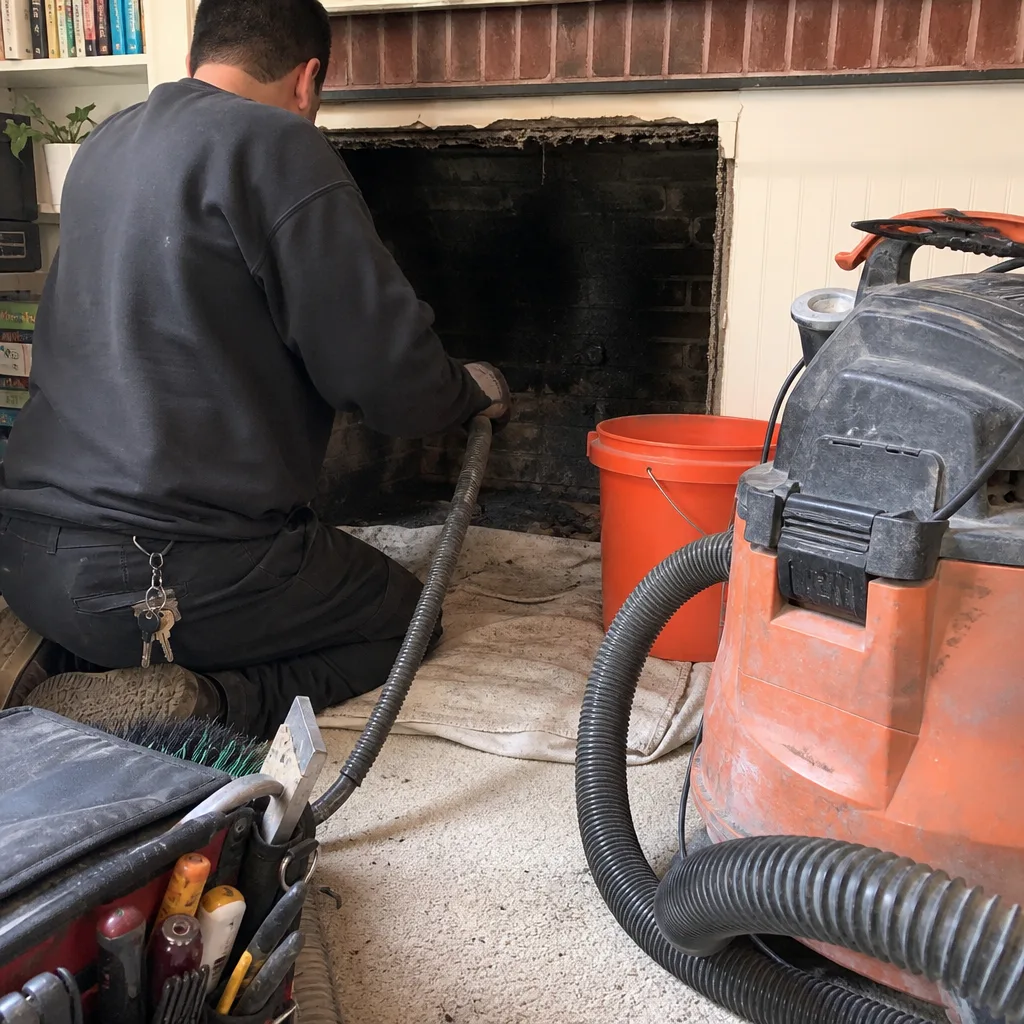 Before
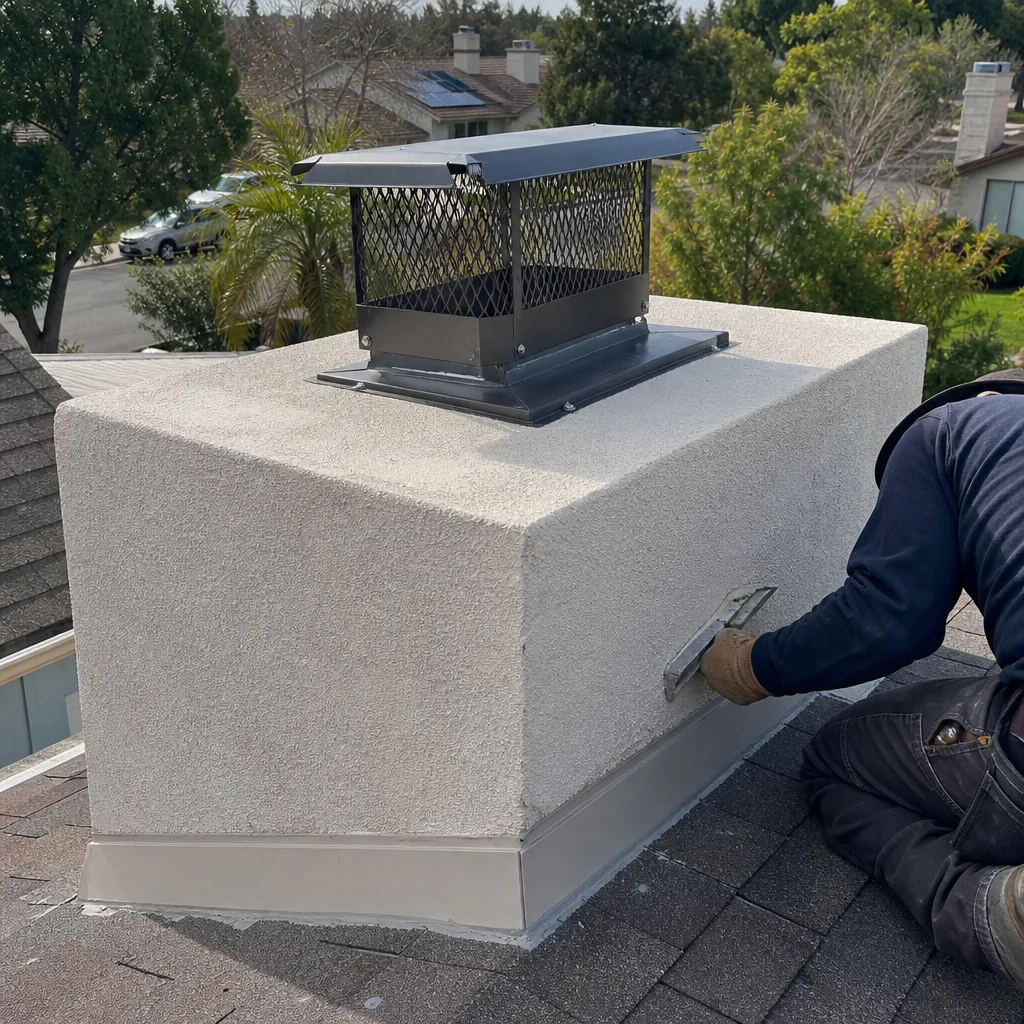 After
After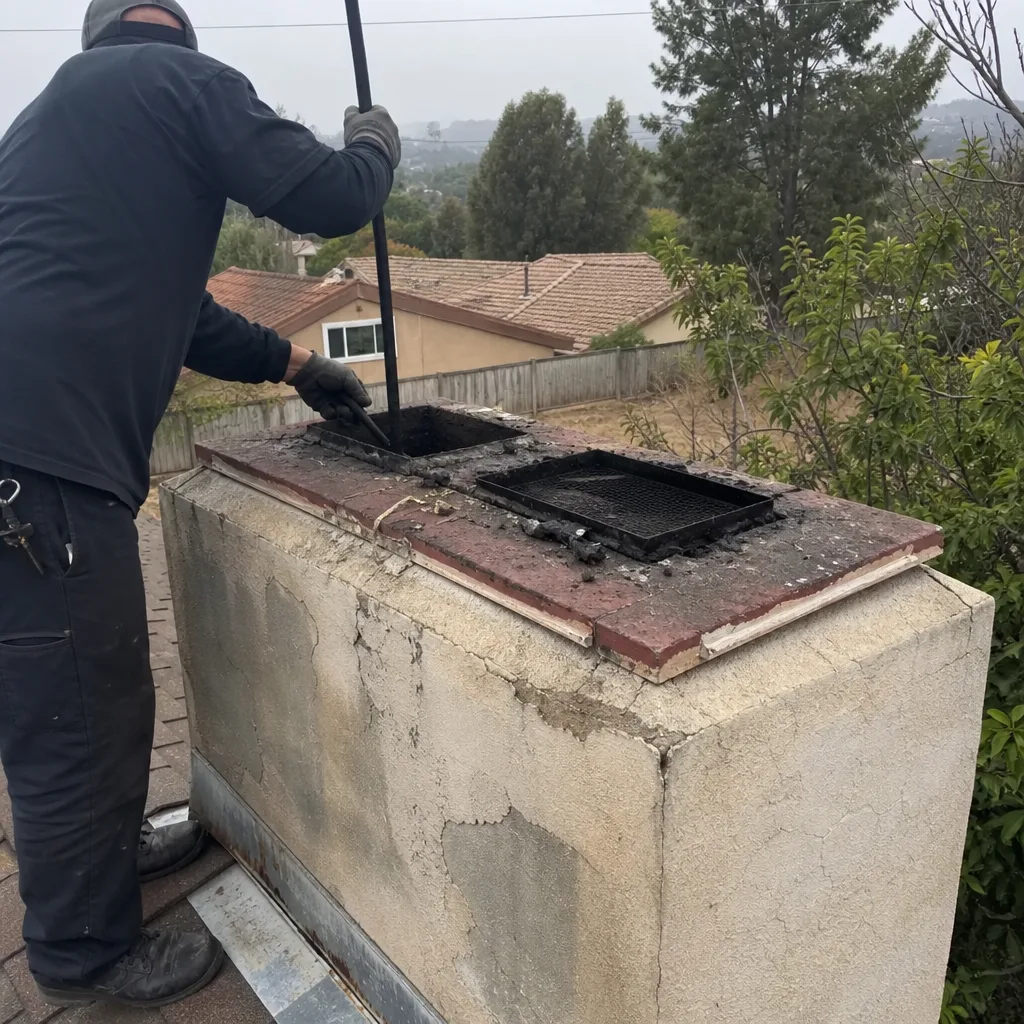 Before
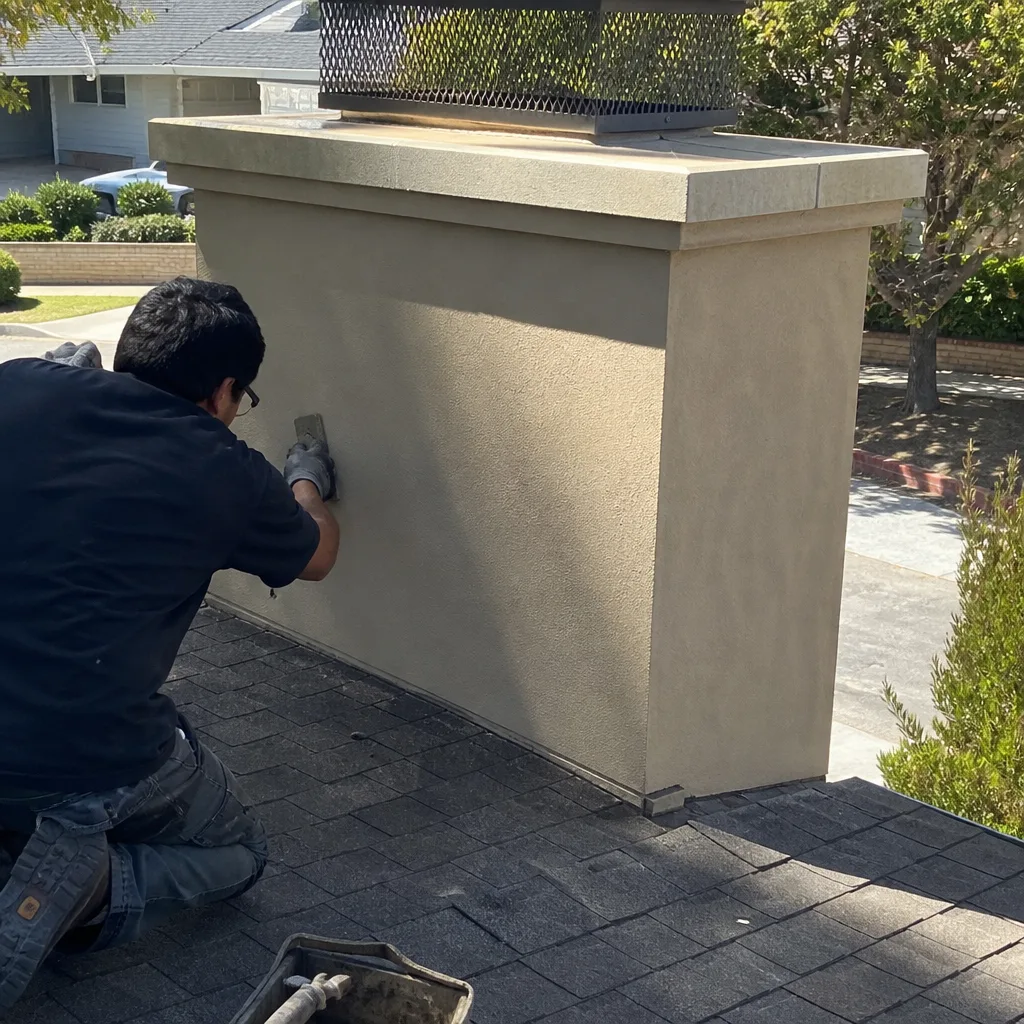 After
After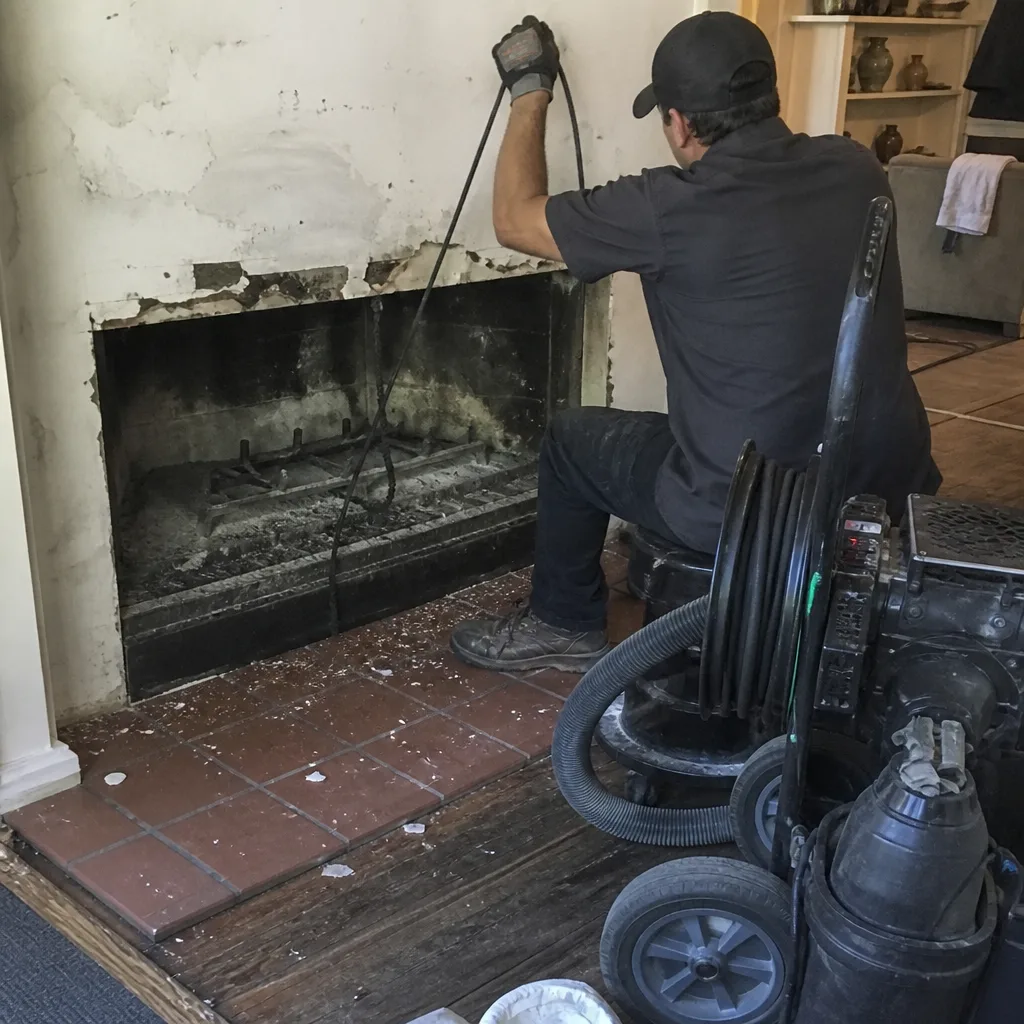 Before
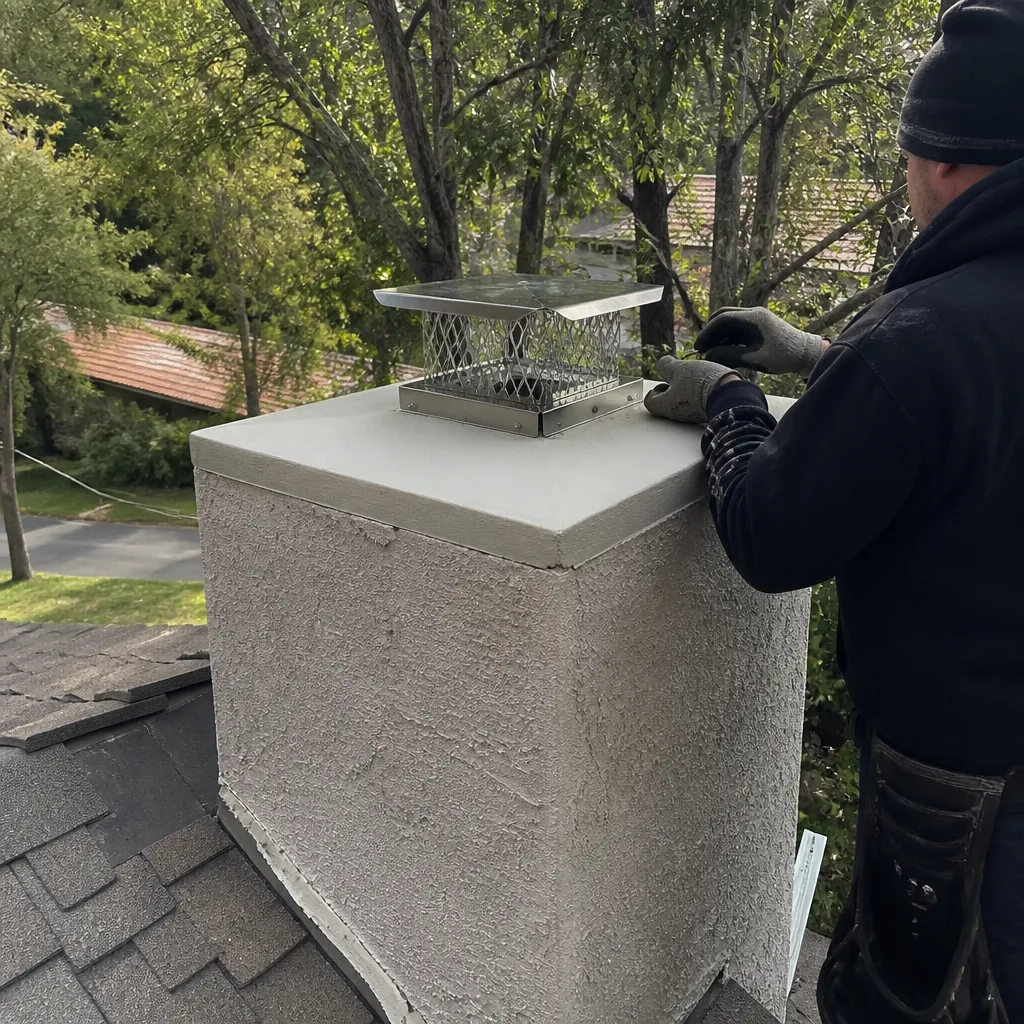 After
AfterFamco Flue Liner Replacement: The Thousand Oaks Owner’s Guide
Famco flue liner replacement in Thousand Oaks typically runs $1,800-$3,400 installed, depending on liner diameter, chimney height, and whether the existing liner pulls out clean or has to be cut out in sections. We stock Famco-compatible 316Ti stainless and aluminized connectors in common diameters from 3 to 8 inches, and most replacements in the Thousand Oaks area can be scheduled within a few days. Homeowners usually discover the problem during a sweep when the camera reveals cracked tiles, gaps at the mortar joints, or a liner that’s pulled away from the thimble - or they notice brown staining on the chimney breast, a smoky smell in upstairs rooms, or a sudden draft problem after years of reliable fires.
Which Famco Models This Applies To
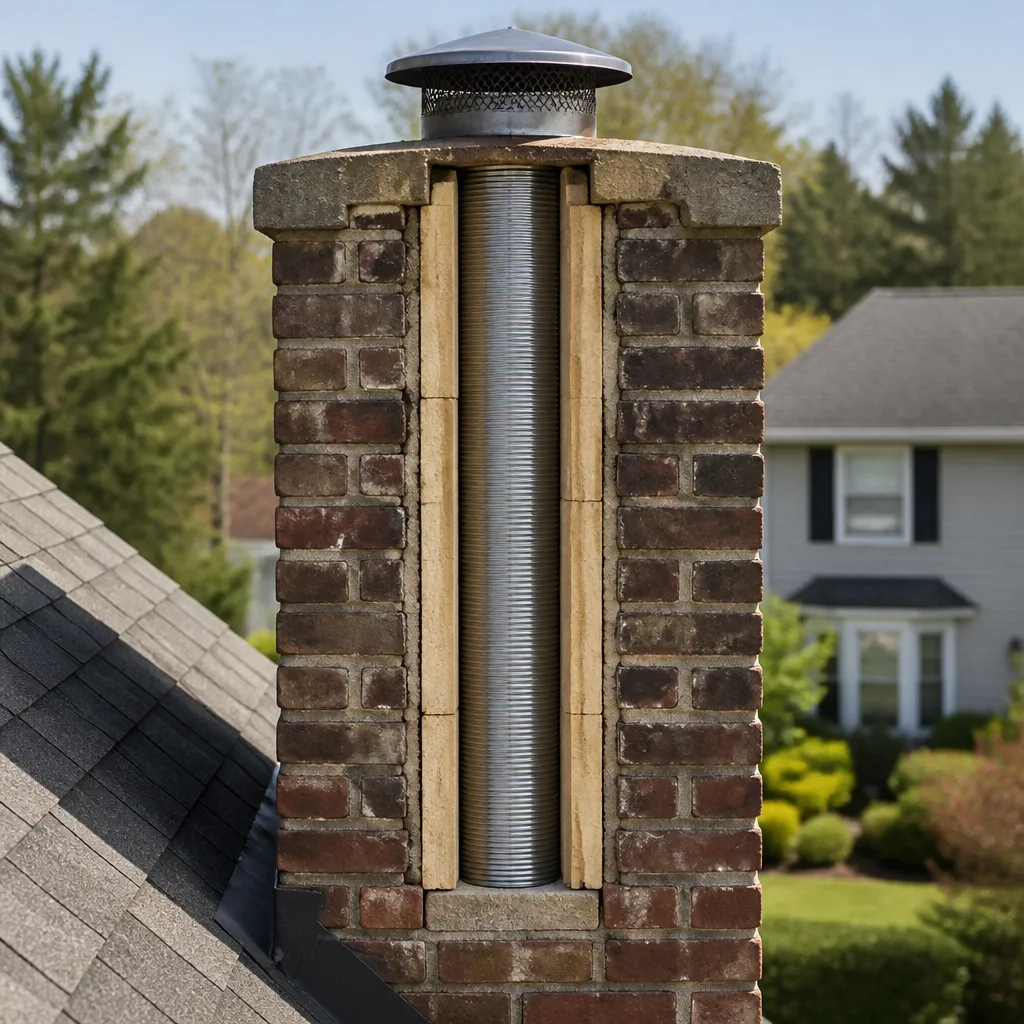
Famco built several liner series over the years, and the part you need depends on what’s currently in your chimney. The most common in Thousand Oaks homes are the Famco flexible 316Ti stainless liners (sold in rolls with pre-attached collars) and the older rigid aluminized single-wall connectors that Famco supplied through HVAC wholesalers in the 1990s and early 2000s. Check the collar plate at the top of the chimney or the connector band at the appliance thimble for a stamped model prefix - “FLX” indicates flexible, “RGD” or no prefix usually means rigid.
The critical compatibility gotcha: Famco flexible liners in the 5- and 6-inch diameters used two different collar attachment styles. The FLX-200 series has a twist-lock collar; the FLX-300 series uses a three-bolt compression band. Mixing the collar type with the wrong termination cap or thimble adapter creates a gap that leaks combustion gases. We’ve found both in Thousand Oaks homes, especially the split-levels built around 1987-1994 near Lang Ranch where wood inserts were retrofitted into original masonry fireplaces.
We source replacement Famco-compatible liners through Haven’s buying network, along with DuraFlex, HeatShield, and Gelco alternatives when the original spec is obsolete. In most cases, a quality aftermarket 316Ti flexible liner with a proper UL 1777 listing outperforms the original Famco rigid run it replaces, particularly in earthquake country where flex handles lateral shift better than rigid sections.
Signs Your Famco Flue Liner Replacement Is Failing
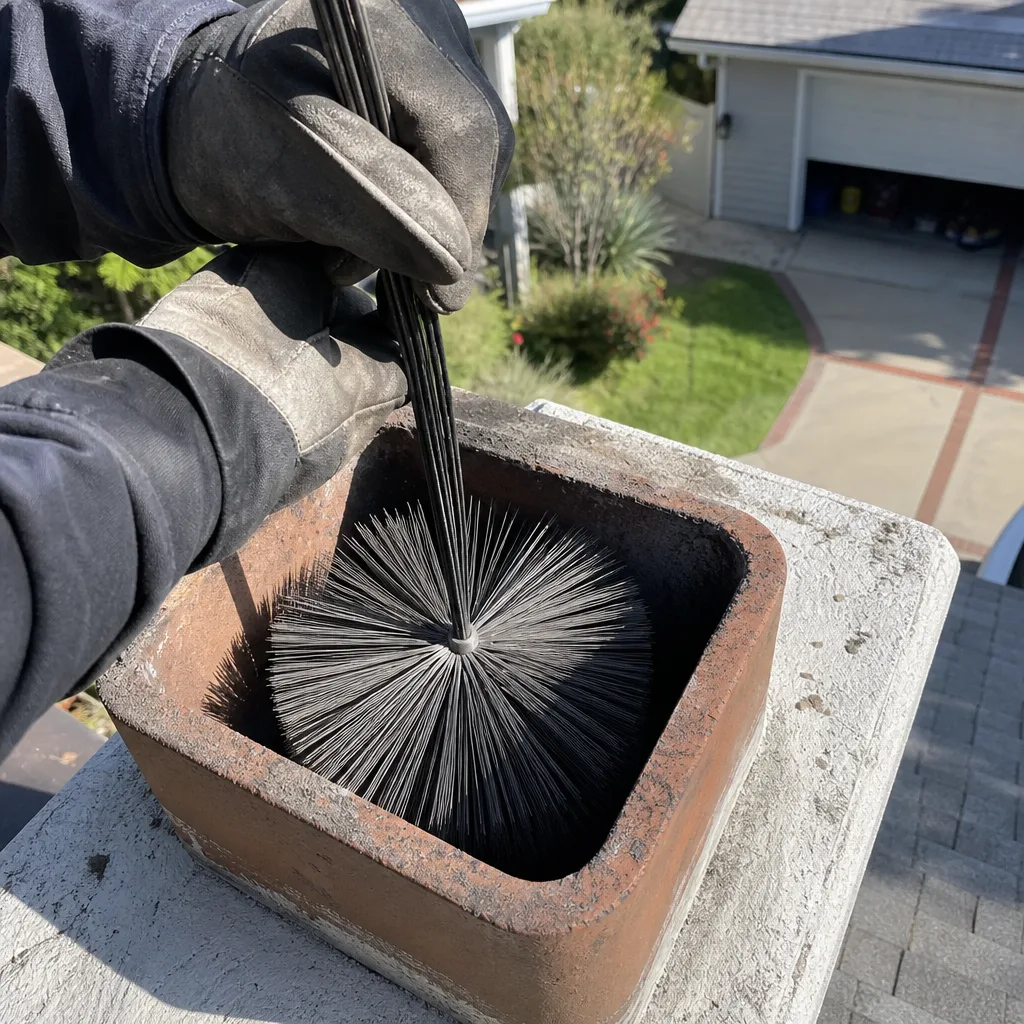
- Flaking or spalling tile visible on the camera scan. Clay tile liners degrade from the inside out; the freeze-thaw cycles in Thousand Oaks’ cooler winter nights (dropping into the low 40s) accelerate cracking when moisture seeps through compromised mortar. By the time you see tile shards in the firebox, the liner has likely been failing for two or more burning seasons.
- Brown or yellowish staining on interior walls near the chimney chase. This indicates exhaust gases escaping through liner gaps, carrying moisture and acidic condensate into the framing. In Thousand Oaks, we see this most often on north-facing chimney walls where the stucco stays damp longer after rain.
- Sudden draft reversal or smoke spillage on startup. A liner that’s separated at a joint or collapsed in a section creates turbulence instead of smooth draw. The fireplace worked fine last year, and now it smokes back into the room - that’s often a liner shift, not a damper problem.
- Strong odor of creosote or smoke in upstairs bedrooms. Gaps in the liner allow smoke to leak into intermediate spaces, especially in two-story homes with the chimney running through a framed chase. The smell lingers because the particles settle in insulation and drywall.
- White efflorescence or salt deposits on exterior brick. This means moisture is moving through the masonry from the inside, usually because exhaust gases are condensing in a too-large or damaged flue. It’s not just cosmetic; the freeze cycle will eventually spall the brick faces.
 Before
 After
AfterReplacement Cost & What’s Included
| Scope | Typical Range in Thousand Oaks |
|---|---|
| Famco-compatible flexible liner, 5-6 in. diameter, single-story chimney | $1,800-$2,400 |
| Same, two-story or steep-pitch roof requiring rigging | $2,400-$3,000 |
| Complex pull: rigid liner cut out in sections, smoke chamber parge needed | $2,800-$3,400 |
| New termination cap, storm collar, and thimble adapter | $180-$320 (included in most quotes) |
What drives the range: chimney height, roof access, whether the existing liner is intact enough to pull out as one piece or has to be sectioned with a grinder, and whether the smoke chamber (the area above the damper) needs refractory parging to meet current clearances. Every quote we deliver in writing under Haven Standard Clause 1 lists these items separately before any work starts - no flat-rate mystery pricing.
The work includes NFPA 211 Level 2 camera inspection before and after, a documented photo record under Haven Standard Clause 4, and our 365-Day Done Right Promise. Materials carry the manufacturer’s warranty; our labor is guaranteed for one full year.
DIY or Call Us?
There’s a safe middle ground here, and then there’s the point where it stops being safe.
What you can check yourself: verify the model marking on your existing liner collar, measure the chimney height from the thimble to the top of the flue, and look for visible gaps or staining from the firebox with a strong flashlight. If you’re comfortable on a ladder and the roof is walkable, photograph the termination cap condition - corrosion or missing storm collars are easy to spot.
Where DIY goes wrong: pulling a liner is not a one-person job. The sections bind on mortar protrusions, shift weight unpredictably, and in two-story chimneys, you’re handling 40-80 pounds of stainless at height. More critically, you cannot verify combustion-gas-tight integrity without a pressure test and camera scan. A liner that “looks fine” from the firebox can have a failed joint two feet up that only the camera reveals. Corrine Halstead put it plainly after a Thousand Oaks callback where a homeowner’s self-install leaked for a full season: “Here’s what the camera showed. Here’s what it costs. You decide.” The camera showed a three-bolt band installed finger-tight. The fix was $340 in labor to re-do what took six hours the first time.
We’re not affiliated with Famco - we’re an independent service provider. If you want a second opinion on any written estimate, bring it to us. It’s free, and we keep a live person on the phone either way: (424) 786-6130.
FAQs
A quality 316Ti stainless flexible liner properly installed should last 15-25 years in this climate; the aluminized rigid connectors Famco supplied in the 1990s often show through-wall corrosion in 12-18 years, accelerated by the marine layer moisture that reaches inland on southwest wind days. Salt air doesn’t help. Call (424) 786-6130 for a camera check if you’re in that window - estimates are free.
Localized damage sometimes qualifies for HeatShield cerfractory resurfacing or a stainless sleeve insert, but only if the camera scan shows the surrounding liner is structurally sound with no hidden gaps. We don’t recommend patch repairs on liners with multiple failure points or where the original material is below current UL listing standards. The written quote will state exactly what the camera found and whether repair or full replacement is the honest recommendation.
Most single-story Famco liner replacements in Thousand Oaks are completed in one day, typically 4-6 hours of on-site work. Two-story chimneys, steep roofs, or jobs requiring smoke chamber parging may run into a second day. We book by the job, not the hour, so the price doesn’t change if an unexpected mortar protrusion slows the liner pull.
We stock 316Ti flexible liner in 5-, 6-, and 8-inch diameters, along with the common Famco-compatible collars, bands, and termination caps. For less common sizes or rigid-to-flex conversions, we pull from our supplier network through Haven’s buying network and schedule installation once material is confirmed - usually 2-3 business days. We’ll tell you before you book whether your job is a same-week or next-week schedule.
Written by Corrine Halstead, Owner, Level Two Chimney Thousand Oaks at Level Two Chimney Thousand Oaks, serving Thousand Oaks and nearby areas.