
Level 1 sweep and inspection to the NFPA 211 annual standard - flue, crown, cap, and flashing checked and photographed
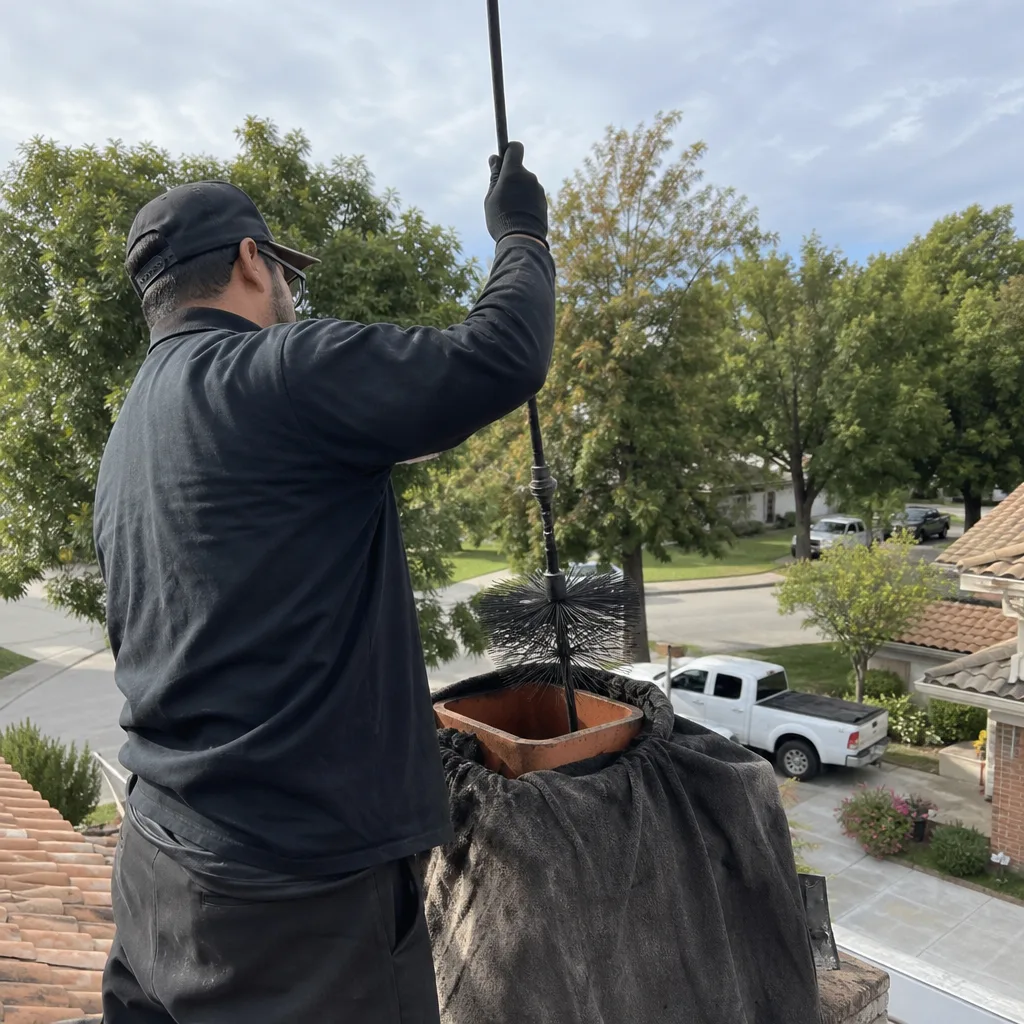
Chimney sweep logs do not sweep chimneys. They loosen some creosote - which then falls where a brush and vacuum still have to collect it.
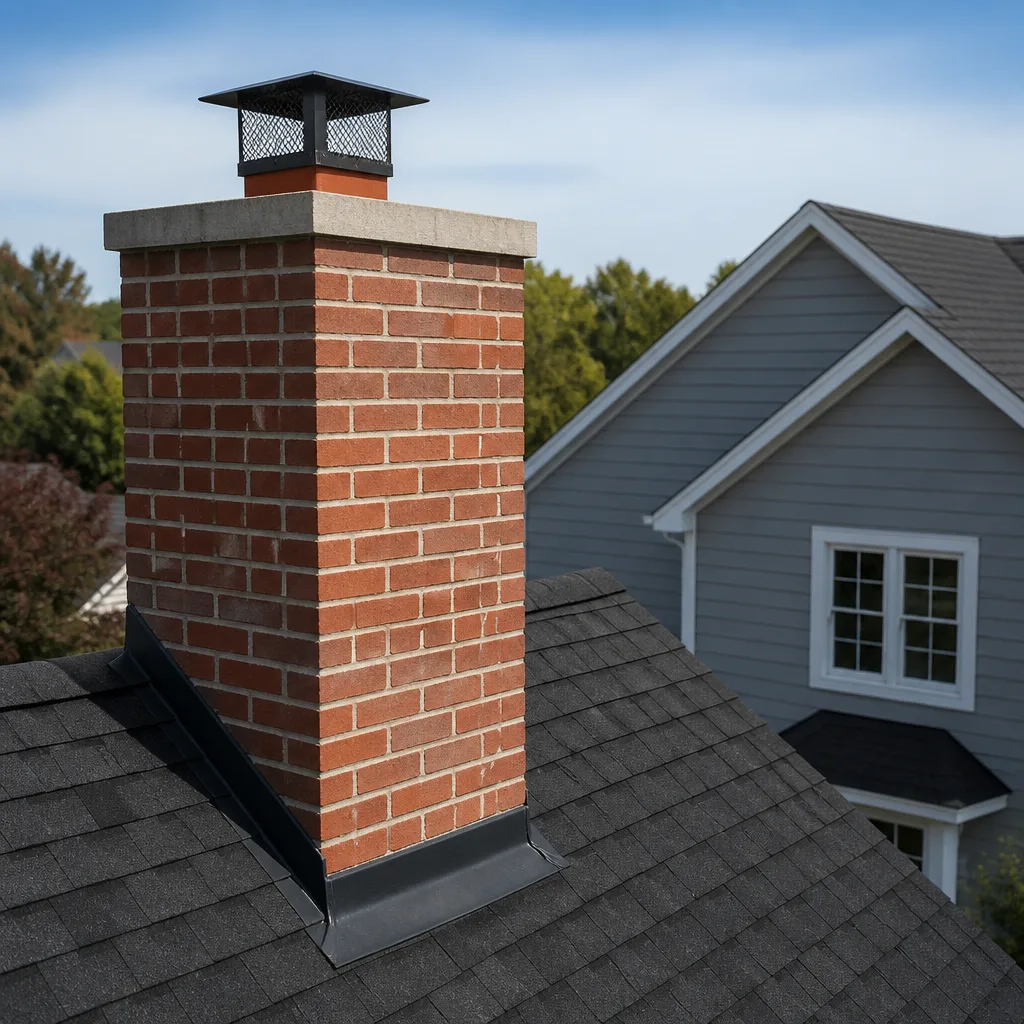
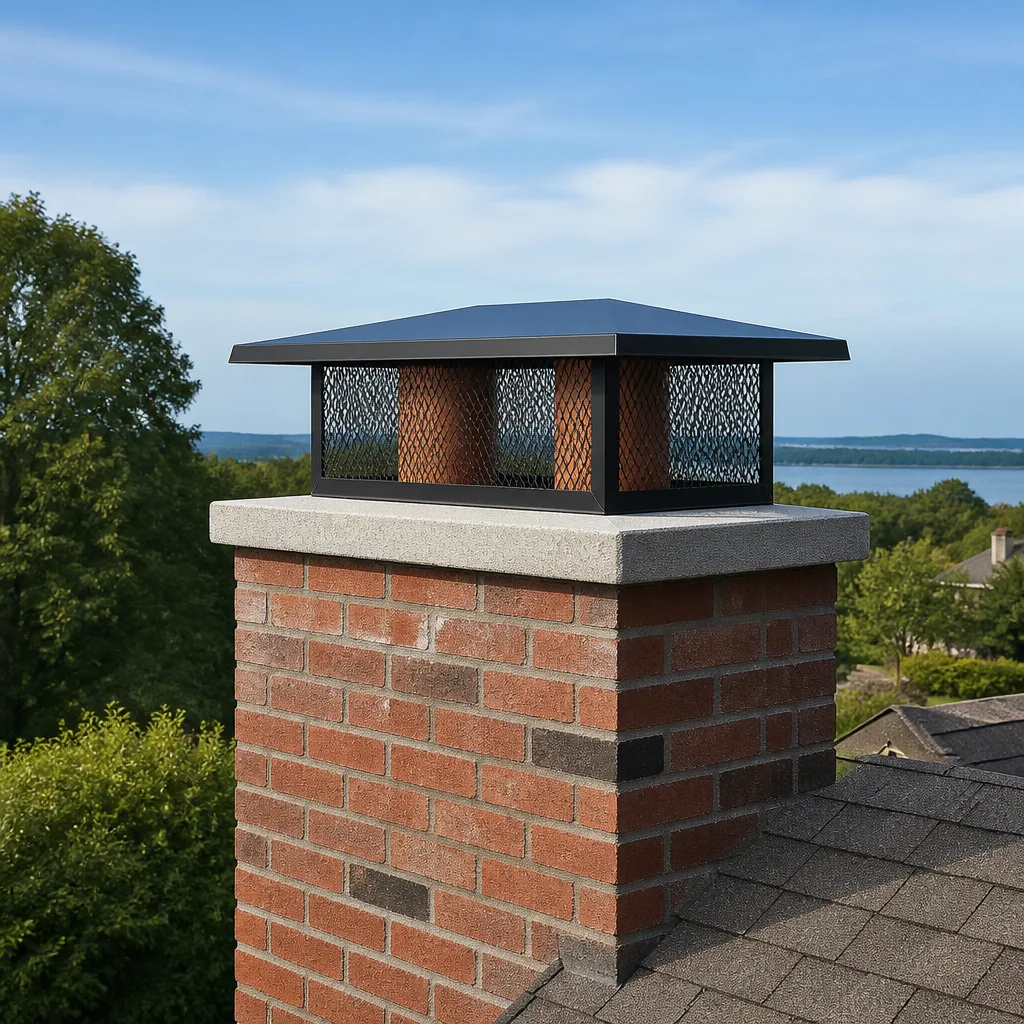
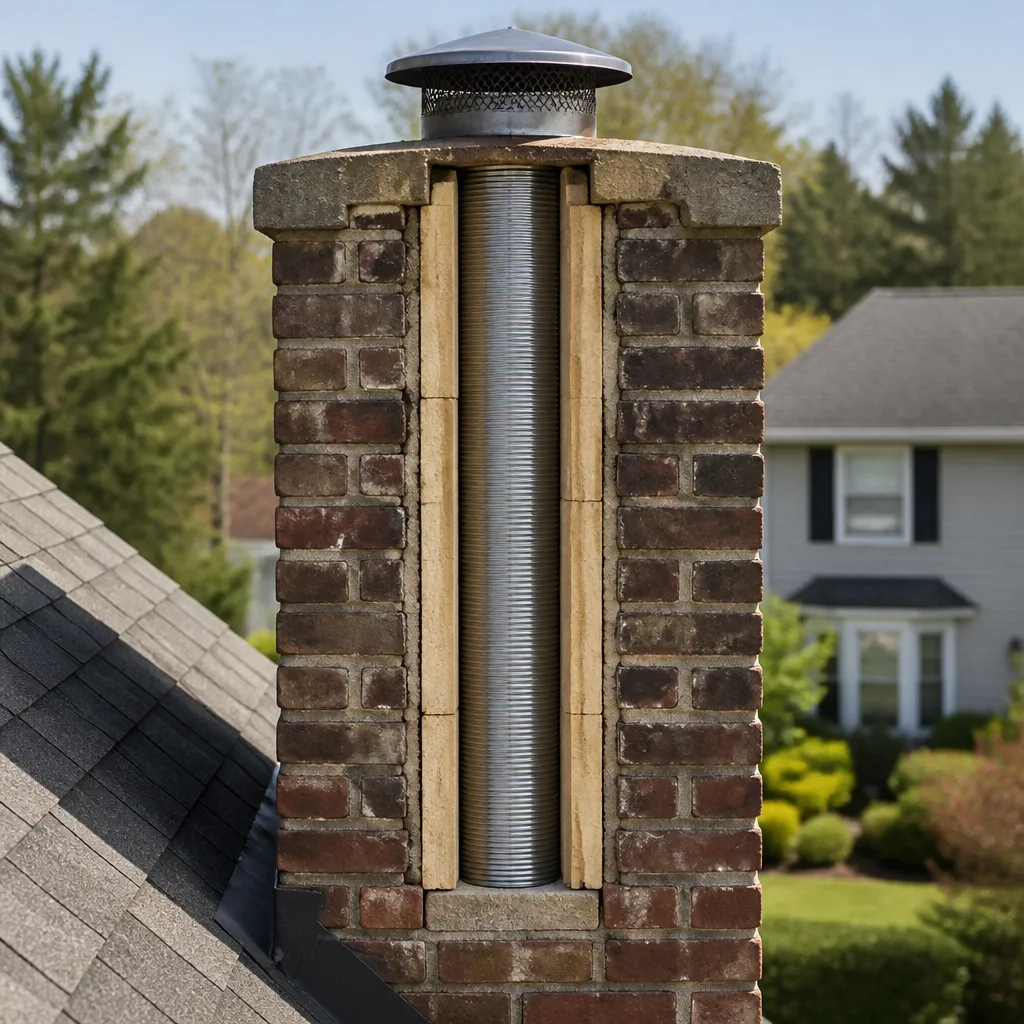
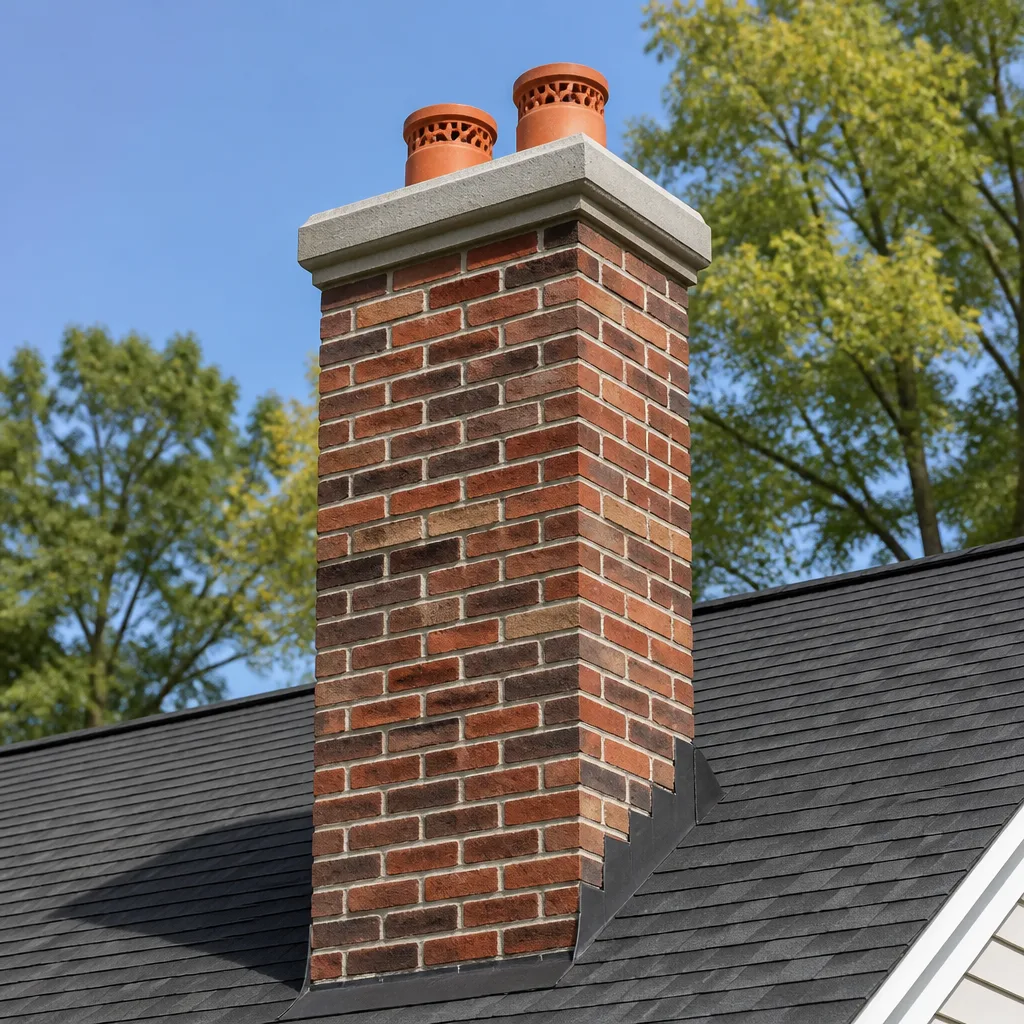
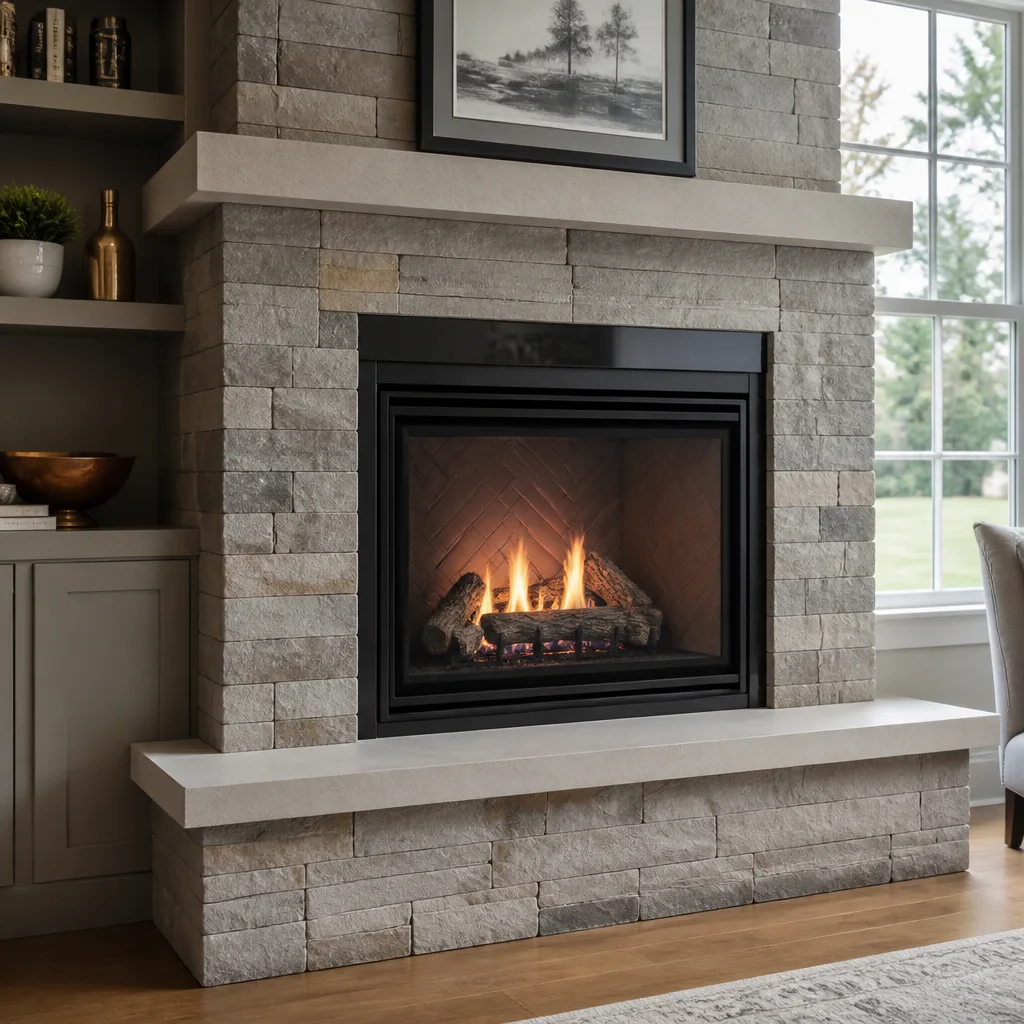
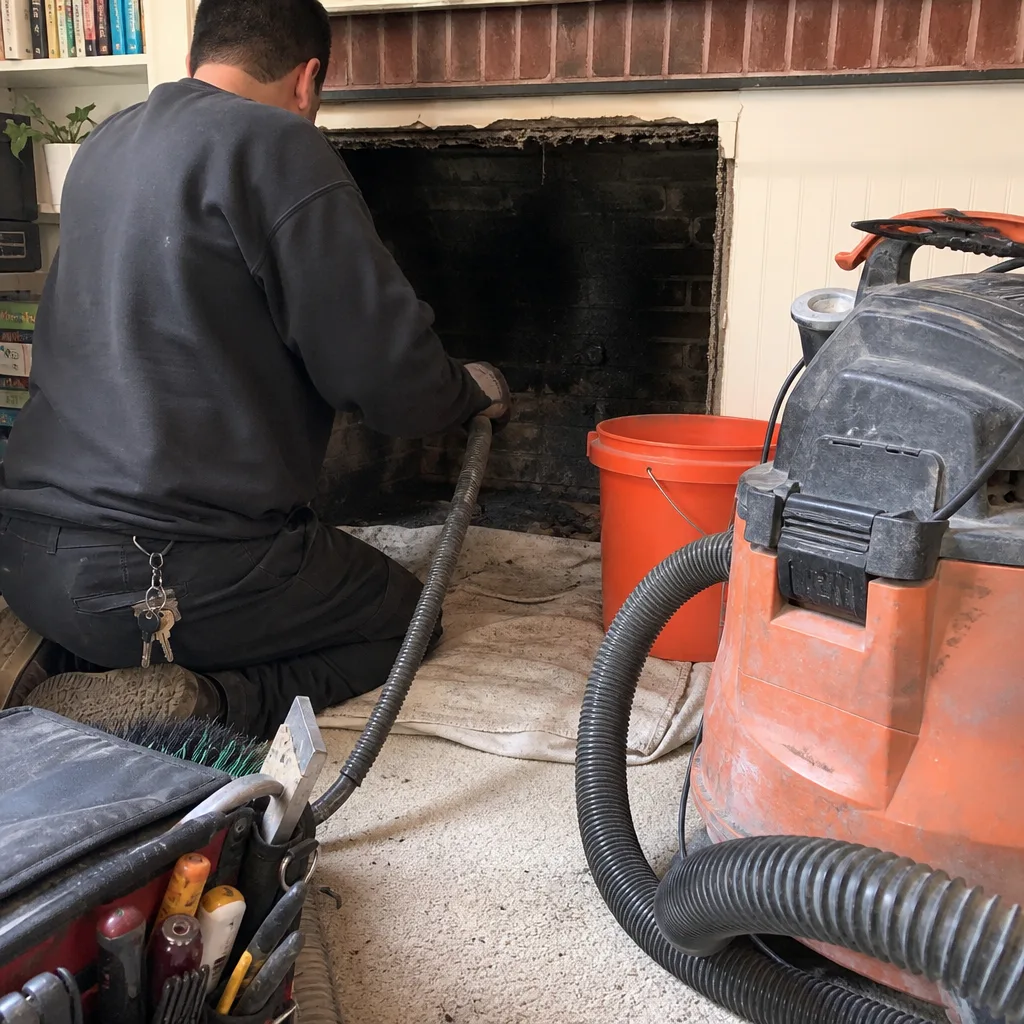 Before
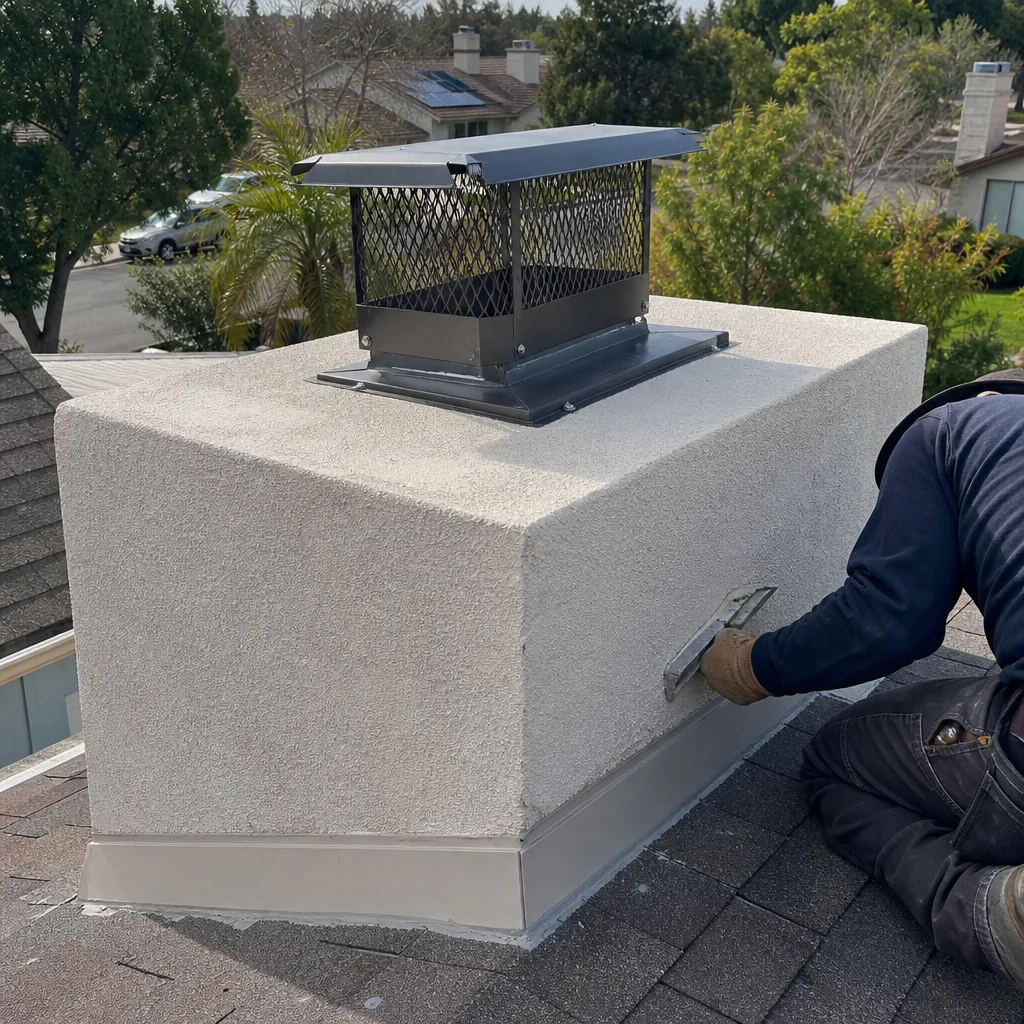 After
After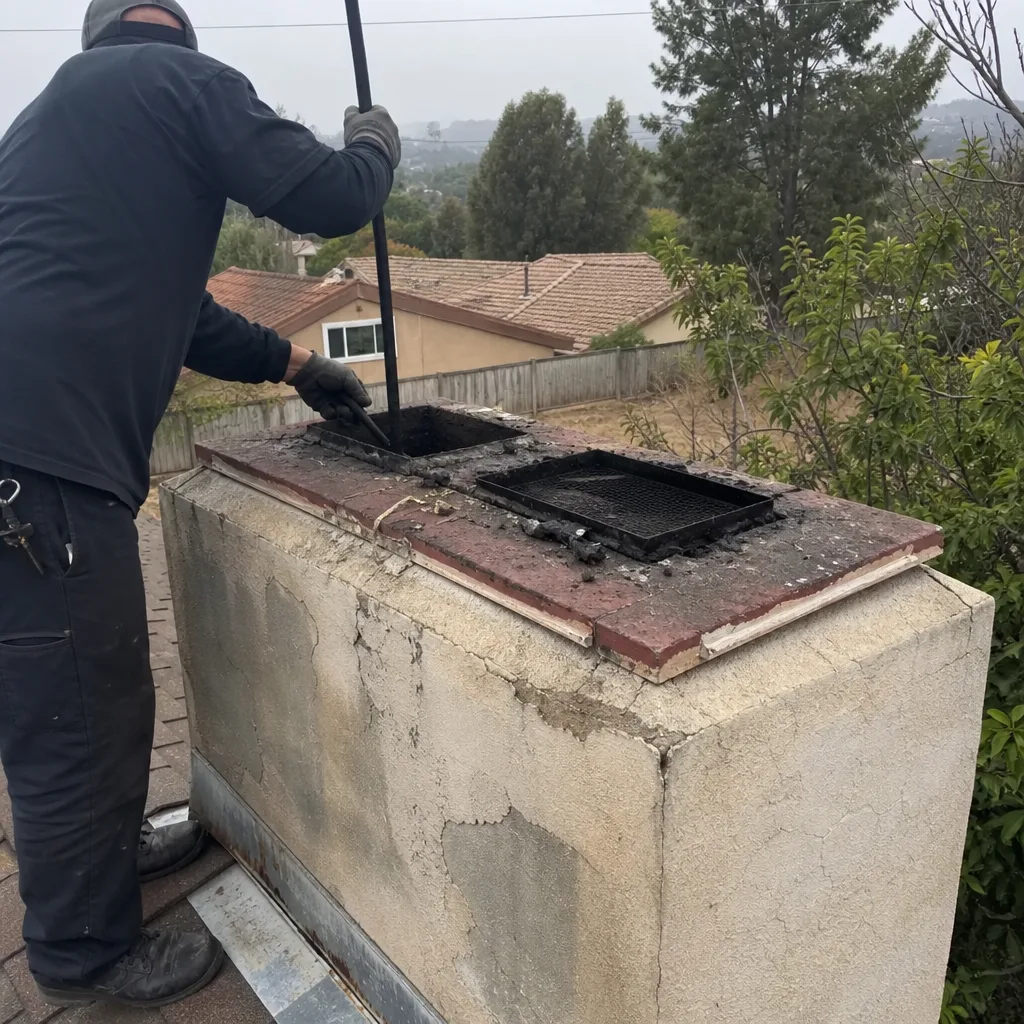 Before
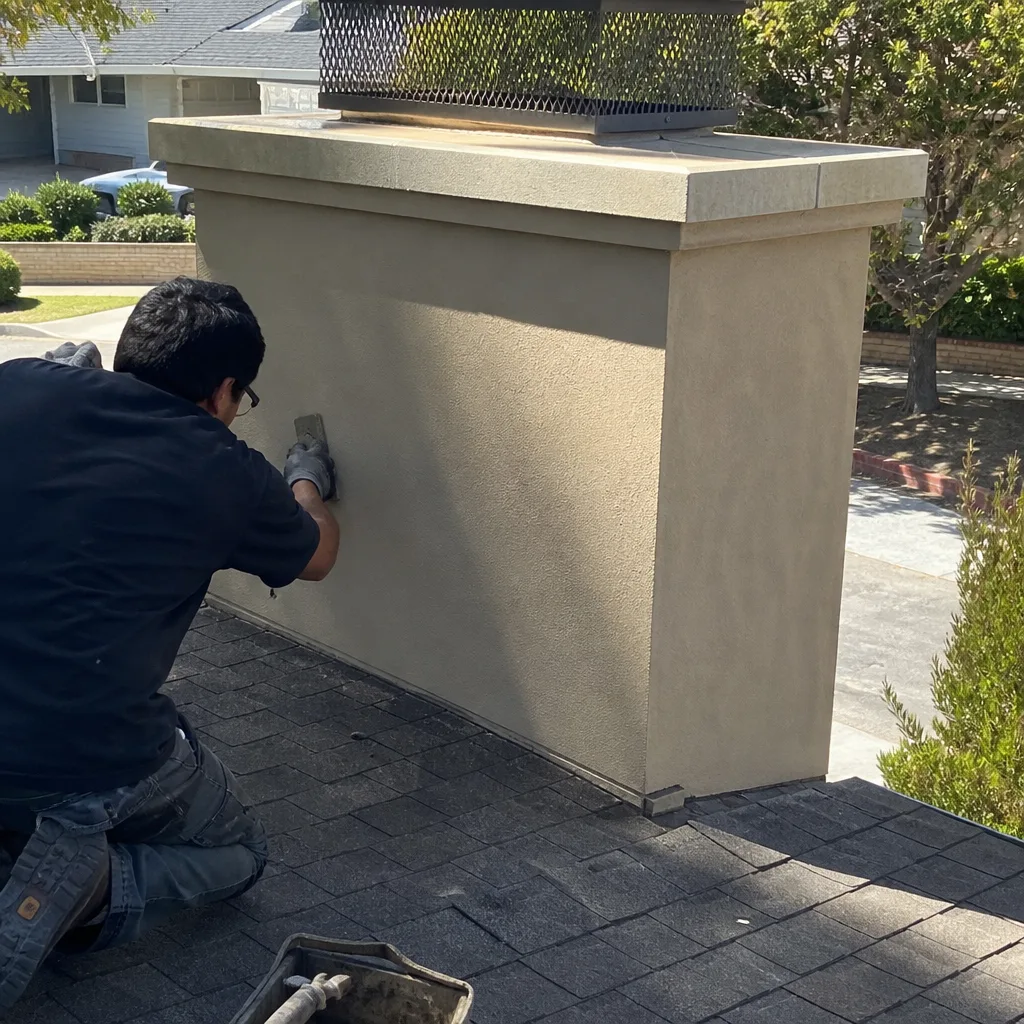 After
After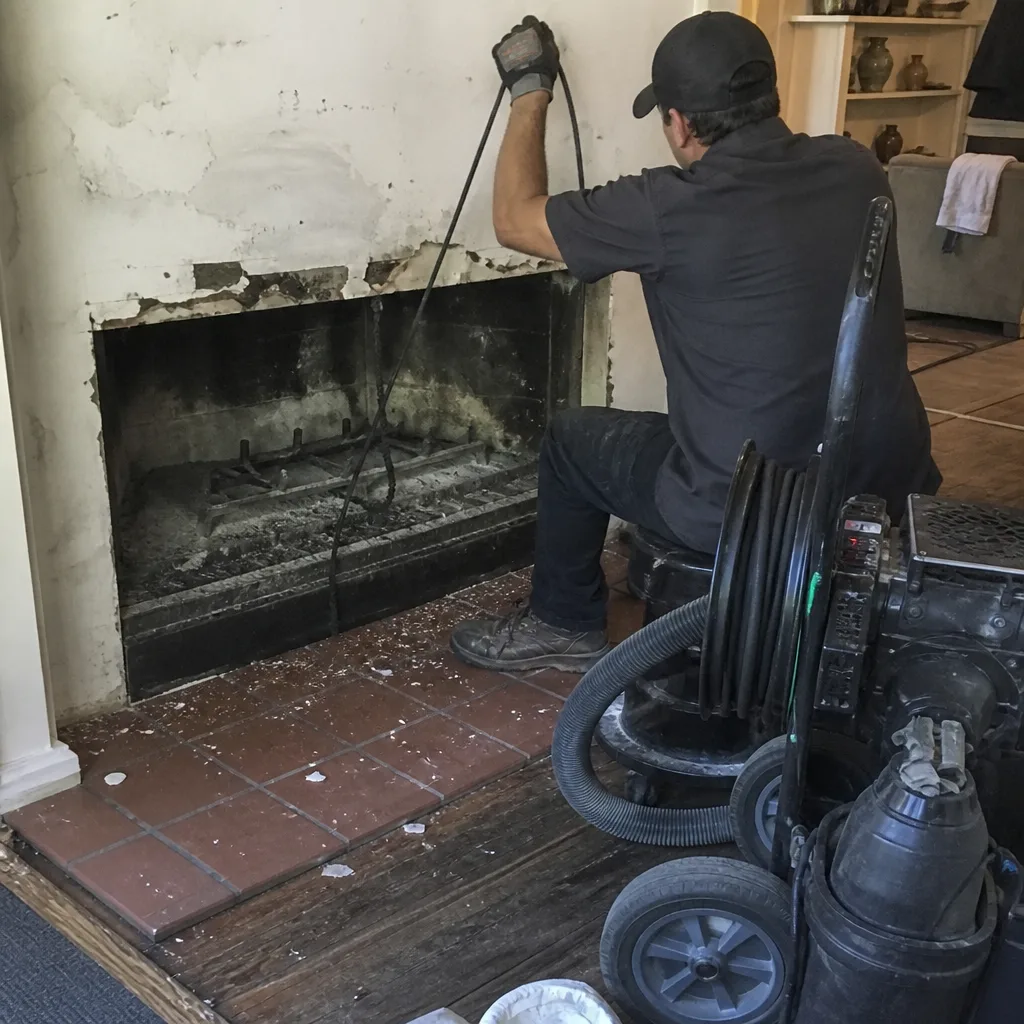 Before
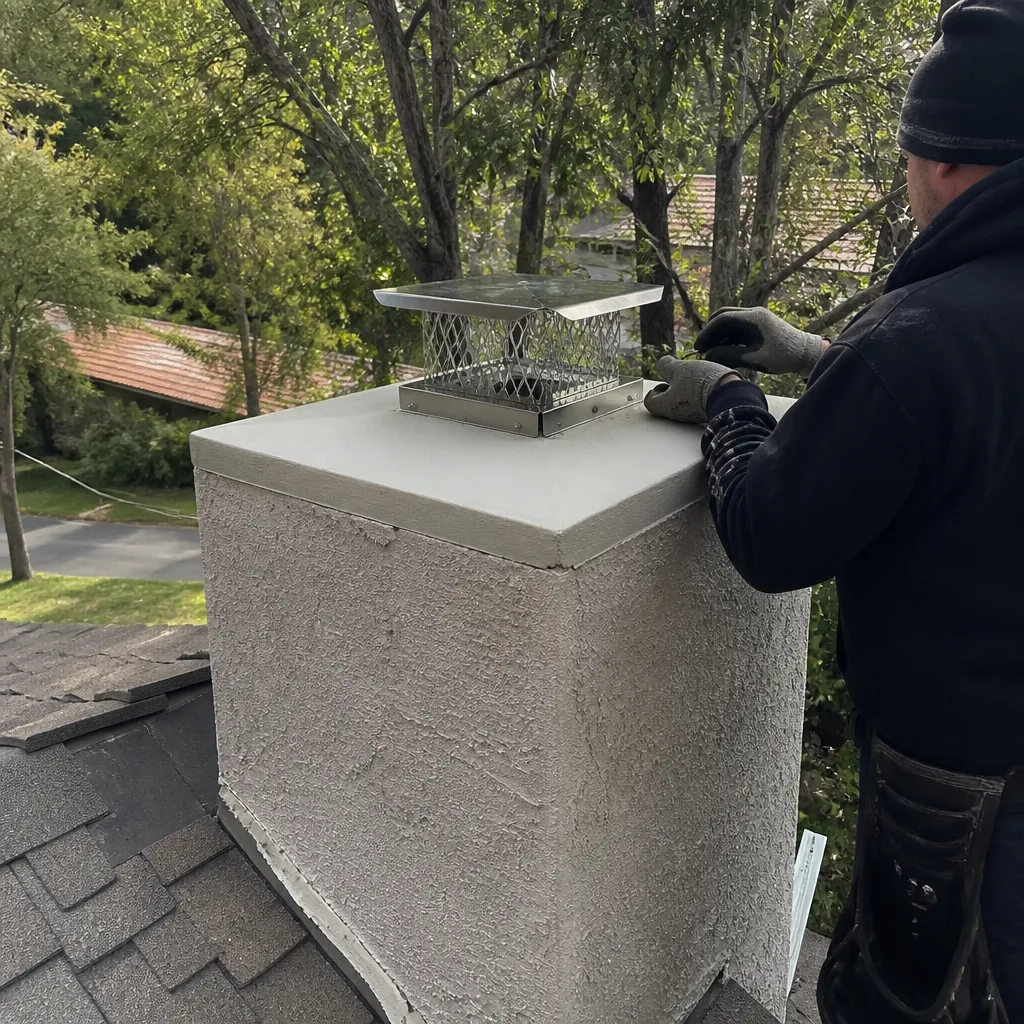 After
AfterMortar Repointing in Thousand Oaks, CA
Mortar repointing is the process of removing deteriorated mortar from the joints between chimney masonry and packing in fresh, correctly mixed mortar to restore the structure’s integrity. In Thousand Oaks, most chimneys we inspect show meaningful mortar erosion by the time the home is 20 to 25 years old – sometimes sooner when a structure faces west and takes the full force of the Conejo Valley’s seasonal Santa Ana winds. Left alone, open joints let water into the brick core, and once water cycles through a freeze-thaw pattern or simply saturates the masonry through a wet El Niño winter, brick faces begin to spall and structural repairs become significantly more expensive than a straightforward repoint.
If you’ve noticed crumbling or recessed mortar on your chimney, a written price and a camera-documented scope are a phone call away. Reach us at (424) 786-6130 – a live person picks up, 24 hours a day, 7 days a week. This page is part of our Chimney Repair in Thousand Oaks service, and everything described below applies to every mortar repointing job we run: written price before anyone touches your chimney, a photo record when the work is done, and a 365-Day Done Right Promise stamped on the scope.
Level Two Chimney Thousand Oaks has documented the condition of more than 38,000 chimneys since 2009, every one with a camera-scan inspection and a written price before work started. When Corrine Halstead built the company’s inspection protocol around NFPA 211 Level 2 standards, mortar joint documentation became part of the standard photo record – not an add-on. That context matters when a technician tells you which joints need repointing and which ones can wait another season.
When You Need Mortar Repointing
Mortar deterioration rarely announces itself loudly. The signs tend to be quiet and easy to miss on a quick glance from the driveway. Here’s what we actually find in Thousand Oaks homes that points toward a repointing job:
- Mortar recessed more than 1/4 inch from the brick face. This is the clinical threshold. Below that depth, water can pool in the joint and wick into the masonry core rather than sheeting off. In shaded north-facing chimneys on homes in neighborhoods like Newbury Park and Lang Ranch, we see this condition frequently because those faces stay damp longer after rain.
- Crumbling or powdering mortar that comes away with finger pressure. Mortar that has carbonated fully loses its binding properties. If it brushes out by hand, it has already stopped doing its job, and the joint is functionally open to the elements.
- White staining (efflorescence) on the chimney exterior. Efflorescence is dissolved mineral salt carried to the surface by water moving through the masonry. Its presence is a reliable indicator that water is already passing through compromised joints – the stain is the evidence, not the problem itself.
- Spalling brick faces on the chimney stack. When brick faces pop or flake, it usually means water saturated the brick and then expanded during a cold night. Thousand Oaks temperatures can drop into the upper 20s in January, which is enough to cause this cycle. Repointing stops new water entry; it doesn’t undo existing spalling, but it does protect the sound brick that remains.
- Visible gaps or cracks at mortar joints near the crown or flashing line. The crown-to-brick interface and the flashing termination are the two highest-stress zones on any chimney. Thermal cycling – hot fire, cool night – works these joints harder than anywhere else on the structure.
- A home inspection report that flags mortar joint deterioration. Real estate transactions in Thousand Oaks regularly surface this finding. If you received a written estimate from another contractor, bring it to us – we offer a free second opinion on any written estimate, and we’ll tell you plainly whether the scope and price make sense.
Our Mortar Repointing Process
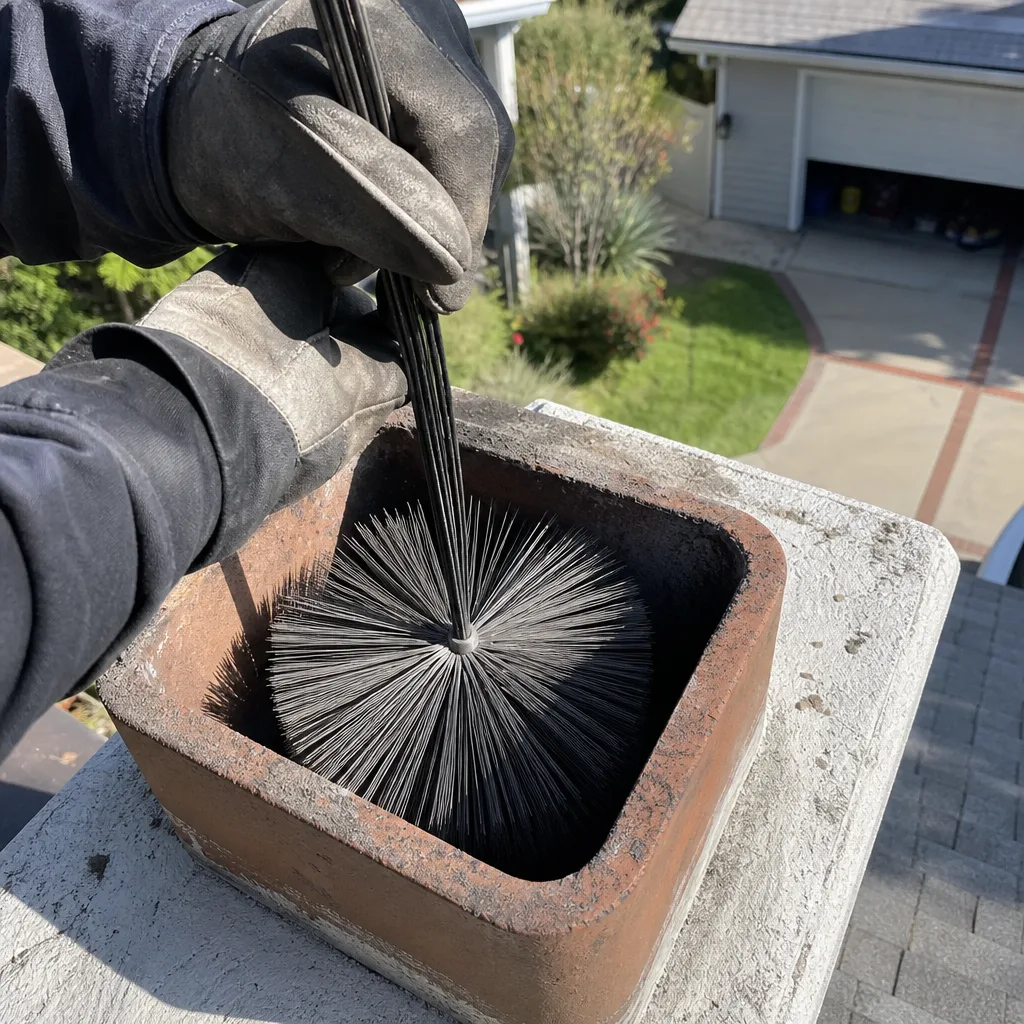
There is no shortcut version of this job that holds up. Repointing done correctly requires the right removal depth, the right mortar mix for the existing masonry, and proper cure time. Here is exactly how we handle it:
- Camera-scan inspection before any work begins (NFPA 211 Level 2). We run the camera down the flue and photograph the full exterior, including every mortar joint, before a single line is written. This is Haven Standard Clause 4 practice – a documented condition record that gives you a baseline and gives us the information we need to scope the job accurately. We are not guessing at what’s behind the cap or near the smoke chamber; we are documenting it.
- Written price and scope delivered before work starts. Haven Standard Clause 1 – you receive a written price, written scope, and written warranty before anyone picks up a grinder or a chisel. That price does not change unless we open the wall and find a structural condition that wasn’t visible and we contact you before proceeding. “We found something extra once we started” is not a billing event here unless you approved it first.
- Mechanical removal of deteriorated mortar to a minimum 3/4-inch depth. This is the part most low-bid contractors skip or rush. Grinding too shallow – say, 1/4 inch – leaves a thin mortar cap that bonds poorly and fails within a few seasons. We use angle grinders with diamond blades and hand chisels at tight corners to reach the correct depth without damaging adjacent brick faces. All debris is cleaned from the joint before the next step.
- Mortar mix selection matched to the existing masonry hardness. This is a detail that matters more than most homeowners realize. Pointing mortar that is too hard – high Portland cement content – can cause the brick itself to crack because the joint becomes the rigid element rather than the flexible one. We assess the existing mortar type and match the mix accordingly. For most Thousand Oaks homes built in the 1970s through 1990s, a Type S or Type N mix is appropriate depending on joint location and exposure.
- Joint packing, tooling, and curing. Fresh mortar is packed in layers if the joint depth requires it, tooled to a concave or rodded profile that directs water away from the brick face, and kept from drying too fast in warm Thousand Oaks sun. Direct sun and low humidity – common here from June through October – can pull moisture out of fresh mortar before it cures, leading to shrinkage cracks. We take precautions during warm-season jobs.
- Documented photo record on completion. Every finished joint is photographed. You receive the completed photo record as part of your job file – the same documentation standard that has applied to every job since 2009. The 365-Day Done Right Promise is in writing on your scope sheet: if the repointing fails or the work isn’t right, we make it right, no argument required.
 Before
 After
AfterMortar Repointing Pricing in Thousand Oaks
Mortar repointing in Thousand Oaks typically runs between $400 and $1,800 for a standard single-flue residential chimney, depending on the size of the stack, the extent of joint deterioration, and access. For a full breakdown of what to expect, see How Much Does Chimney Repair Cost? (2026 Price Guide) - Thousand Oaks, CA. Here is how those numbers break down in practice:
- Spot repointing (isolated section, 10-20 joints): $400 – $650. This covers a localized area – commonly the crown perimeter or a single exposed face – where deterioration is confined and the rest of the chimney is sound.
- Single-face full repointing (one elevation of a standard stack): $650 – $950. Typical for chimneys where one side, usually the weather-facing west or north face, has degraded faster than the others.
- Full chimney repointing (all four faces, standard single-flue stack): $950 – $1,500. The most common scope on homes in Thousand Oaks where inspection reveals general mortar recession across the full stack.
- Full repointing on a large or double-flue chimney: $1,300 – $1,800+. Taller stacks, double-flue configurations, or chimneys requiring staging beyond a standard extension ladder add time and material.
What moves the price up: chimney height above two stories, steeply pitched roofs that limit safe access, double-flue stacks, and cases where brick faces are already damaged and need to be addressed alongside the joints. What keeps the price at the lower end: contained deterioration caught early, single-story or accessible rooflines, and a chimney that’s been maintained reasonably well between inspections.
There is no “call for a quote” here. When you call (424) 786-6130, we schedule the inspection, run the camera, photograph the condition, and hand you a written number before any work begins. The estimate is free. If you already have a written estimate from another contractor, bring it – we’ll give you an honest second opinion at no charge.
FAQs – Mortar Repointing
How much does mortar repointing cost in Thousand Oaks?
Mortar repointing in Thousand Oaks runs between $400 and $1,800 for most residential chimneys, with the majority of single-flue stacks falling in the $950 to $1,400 range for a full repoint. Spot repairs on isolated sections start around $400. The main variables are chimney height, number of flues, and how much of the mortar surface needs to be addressed. Call us at (424) 786-6130 – we’ll inspect the chimney, document the condition with photos, and put a firm written price in front of you before any work starts.
Is mortar repointing something a homeowner can DIY?
The mortar application itself isn’t dangerous the way high-tension spring work or electrical panel work is, but the results of a poorly executed repoint can cause real structural damage. The two most common DIY failures are insufficient removal depth – skimming over old mortar rather than cutting back to sound material – and using the wrong mortar mix for the existing masonry. Mortar that’s too hard can cause adjacent brick to crack over time rather than allowing the joint to flex. If you want to understand what the condition looks like before calling anyone, that’s reasonable. But for the actual removal and repacking, a technician with the right equipment and mix knowledge will get you a result that lasts 20 to 30 years rather than two or three.
How long does repointed mortar last in Thousand Oaks’s climate?
Done correctly with the right mix and proper cure time, repointed mortar joints last 20 to 30 years on chimneys in Thousand Oaks. The local climate is relatively mild by masonry standards – freeze-thaw cycles are infrequent – but the combination of seasonal Santa Ana wind exposure, periods of direct UV on sun-facing walls, and wet El Niño winters can accelerate erosion on poorly matched or thin-applied mortar. Chimneys that face west tend to show wear faster than east-facing ones. A camera-scan inspection every few years catches early recession before it becomes a full repointing scope, which is a meaningfully less expensive repair.
What’s the difference between mortar repointing and tuckpointing?
Repointing and tuckpointing are often used interchangeably, and in most residential chimney contexts they describe the same job: removing deteriorated mortar and packing in fresh material. Technically, tuckpointing is a specific finishing technique – common in older East Coast and Midwest masonry – where two contrasting mortar colors are used to create the illusion of fine joints. In Thousand Oaks’s residential stock, you’ll almost never see true tuckpointing because the style wasn’t prevalent in California construction. When a local contractor says “tuckpointing,” they almost certainly mean standard mortar repointing. If there’s any ambiguity in a written estimate, ask for the scope to specify removal depth and mortar type – that’s what actually determines quality and longevity.
Why Thousand Oaks Homeowners Call Level Two First
The short answer is that we put the price and the scope in writing before anyone gets on your roof. That’s not a sales line – it’s the literal operating procedure that has been in place at Level Two Chimney Thousand Oaks since 2009, written into the Haven Standard as Clause 1. Corrine Halstead built the company around the position that a homeowner shouldn’t have to trust a verbal assurance; they should have a written price, a written scope, and a written warranty in hand before the work begins.
The camera-scan documentation practice goes back to the same year. NFPA 211 Level 2 inspections require internal documentation, and we’ve run a camera down every flue we’ve inspected since we opened. That photo record – of the flue liner condition, the smoke chamber, the crown, and the mortar joints – is what a genuine inspection looks like. It’s also what gives us the factual basis to tell you which joints need to be addressed now and which ones can wait.
We source materials through Haven’s buying network, which includes suppliers like Copperfield and DuraFlex, specifically to keep material costs reasonable without substituting lower-grade product. Every repointing job is backed by the 365-Day Done Right Promise. If the work isn’t right within that window, we make it right – no hedging, no fine print about weather or settling.
If you’ve already received a written estimate from another contractor, call us before you schedule the work. A free second opinion on any written estimate is always available. We’ll tell you honestly whether the scope makes sense and whether the price is in line with what the job actually requires in this market.
To schedule an inspection or get a written price on a mortar repointing job anywhere in Thousand Oaks – including Newbury Park, Lang Ranch, Lynn Ranch, or the hillside neighborhoods above Moorpark Road – call (424) 786-6130. A live person will answer and get you on the schedule. The inspection includes a camera scan, a full photo record, and a written price before any work begins.
Written by Corrine Halstead, Owner at Level Two Chimney Thousand Oaks, serving Thousand Oaks.