
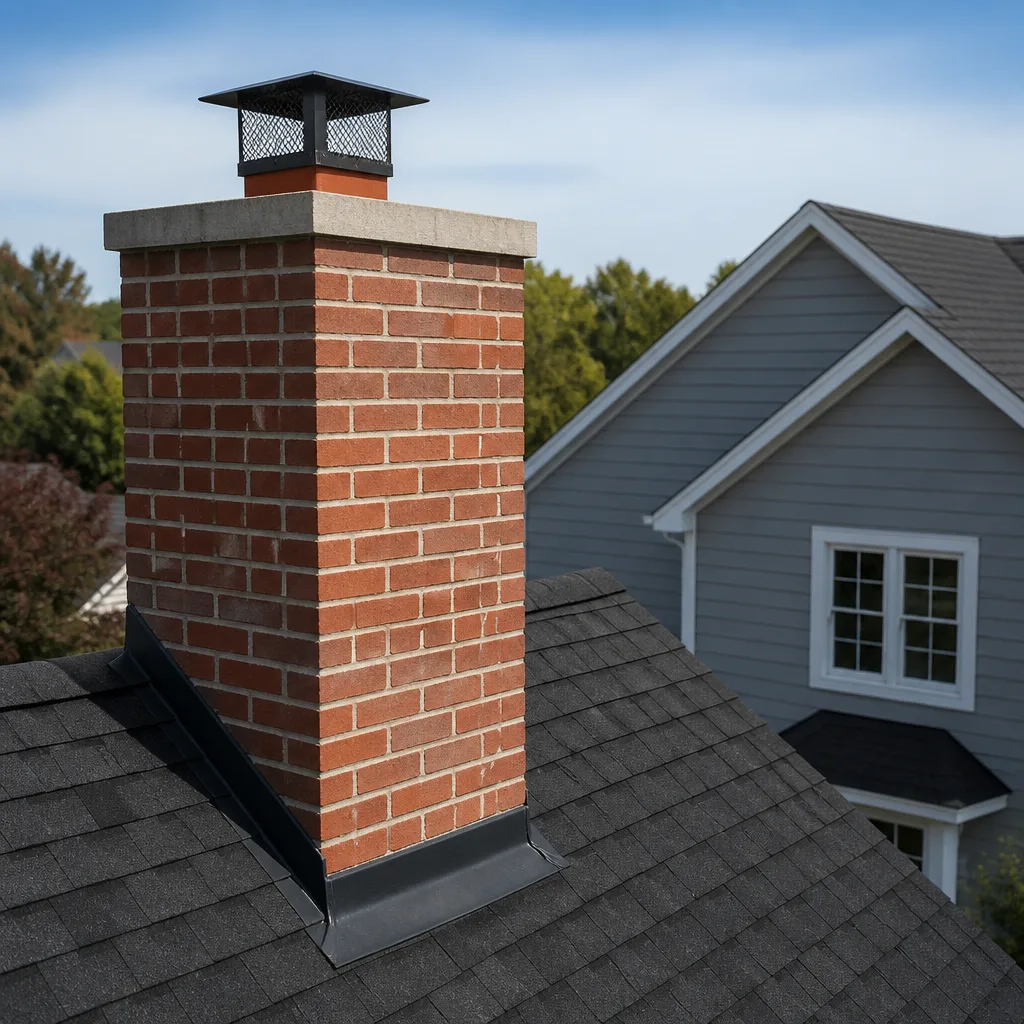
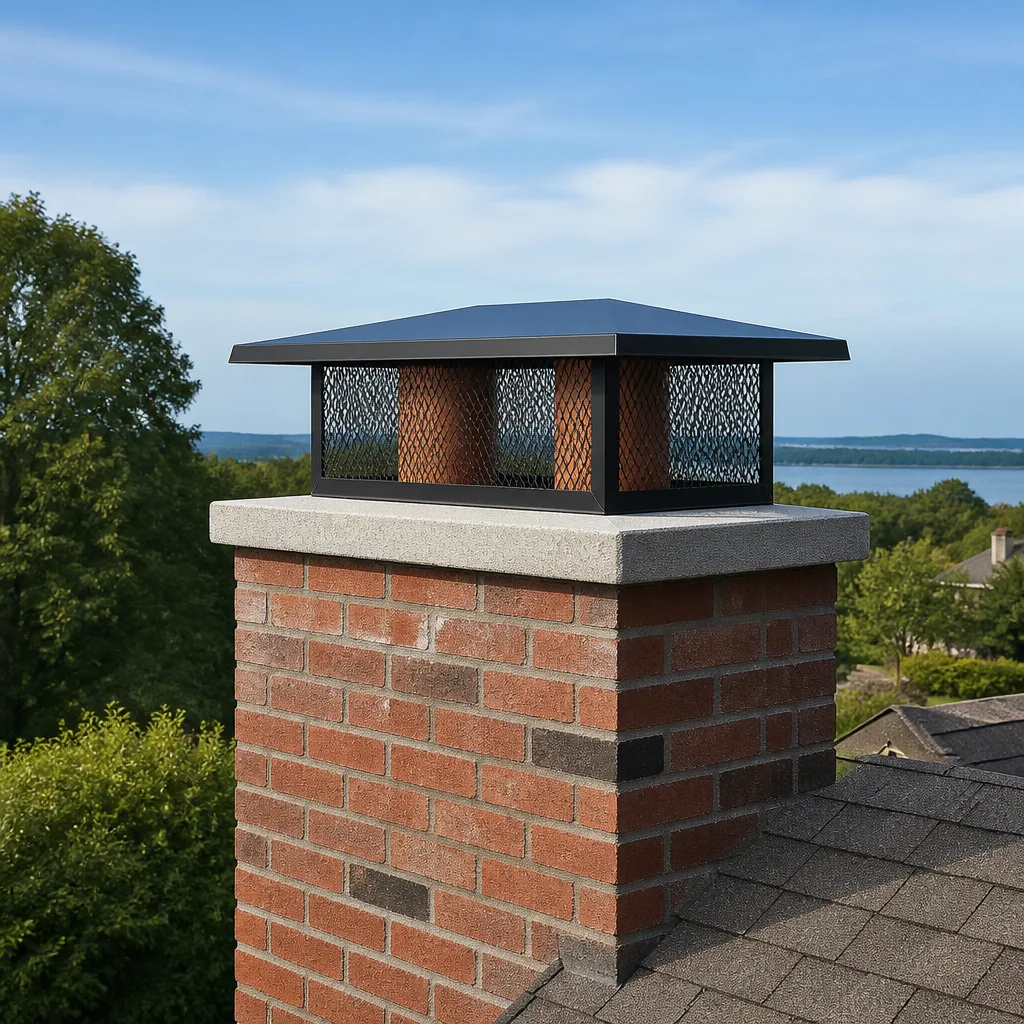
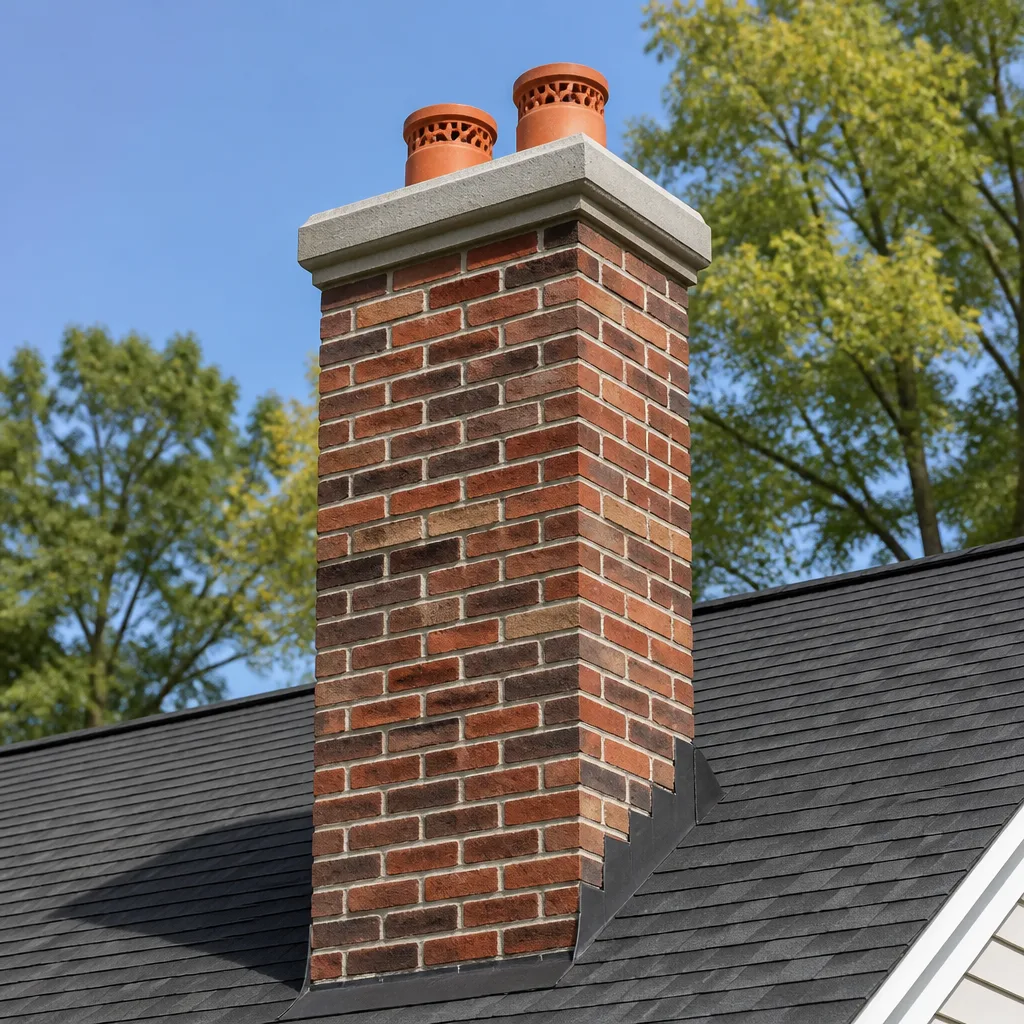
Level 1 sweep and inspection to the NFPA 211 annual standard - flue, crown, cap, and flashing checked and photographed
Chimney sweep logs do not sweep chimneys. They loosen some creosote - which then falls where a brush and vacuum still have to collect it.
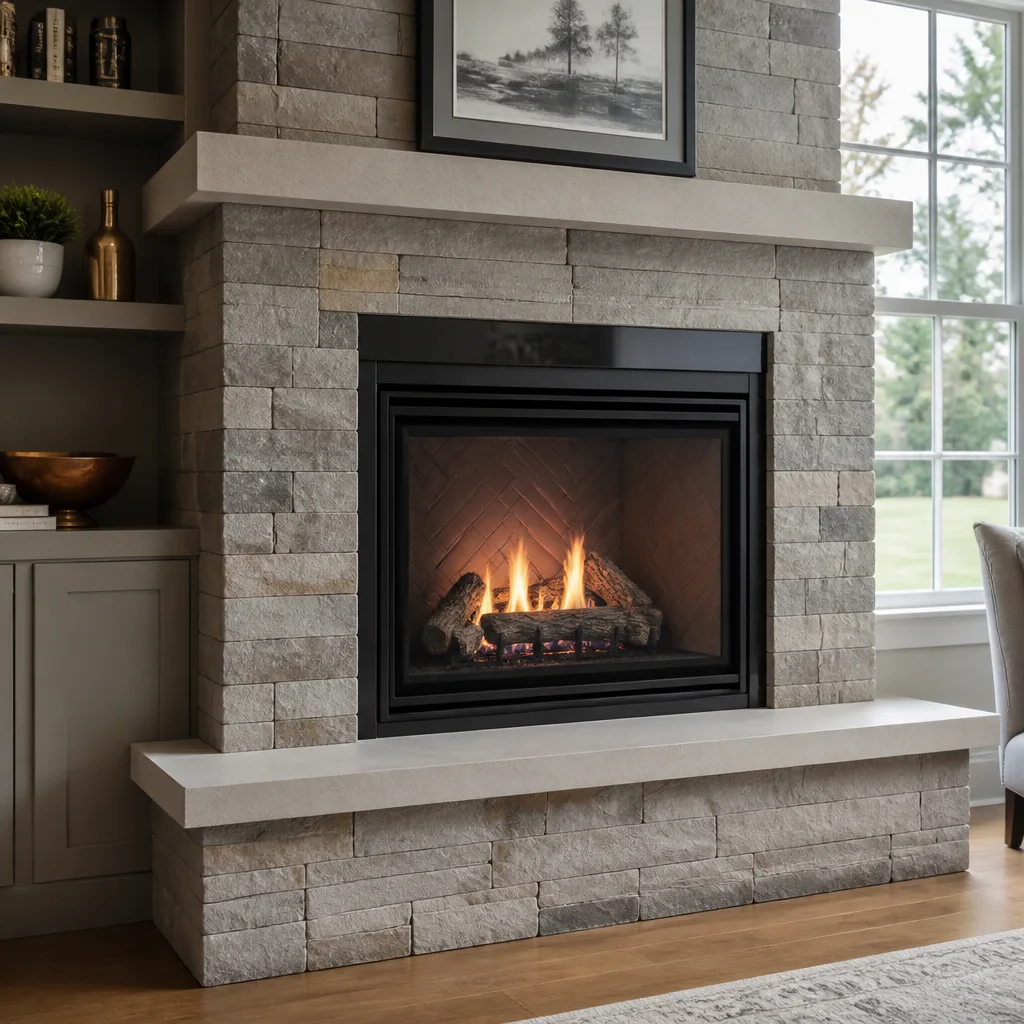
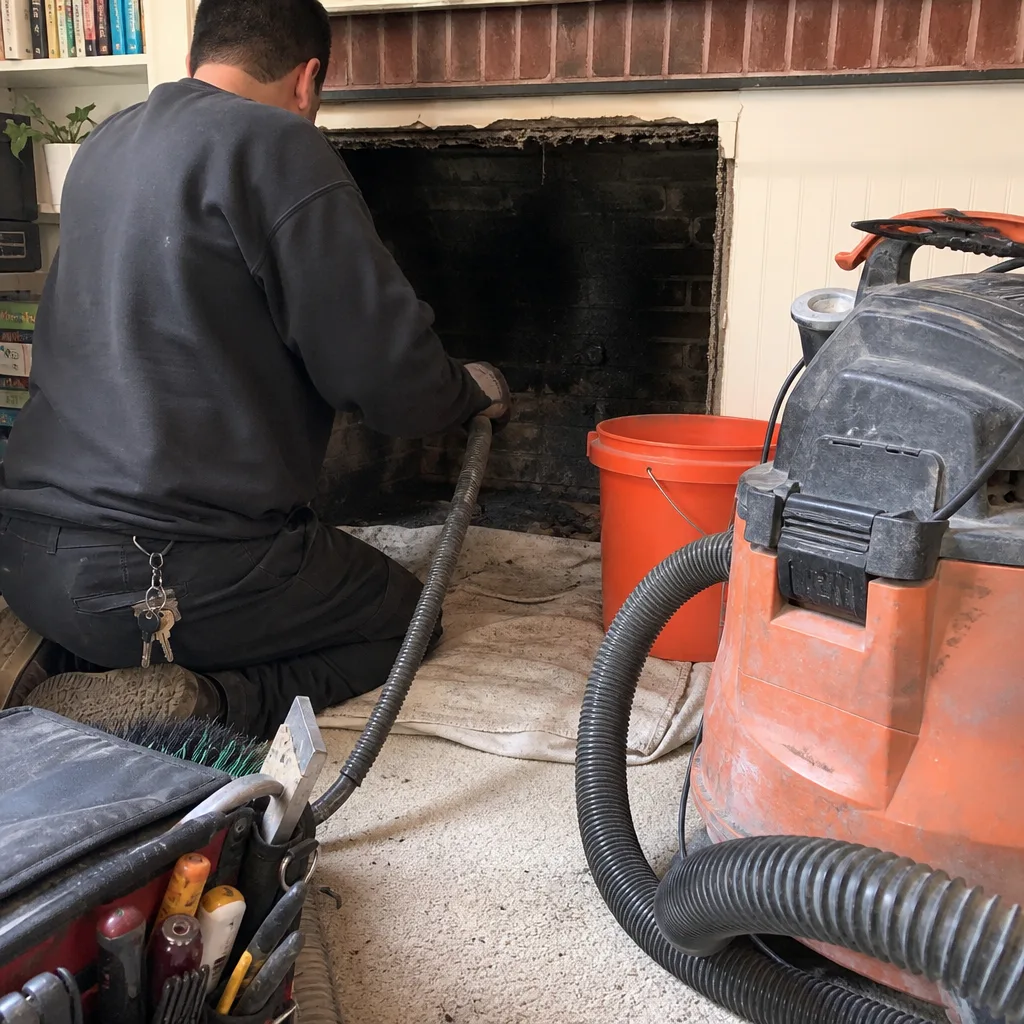 Before
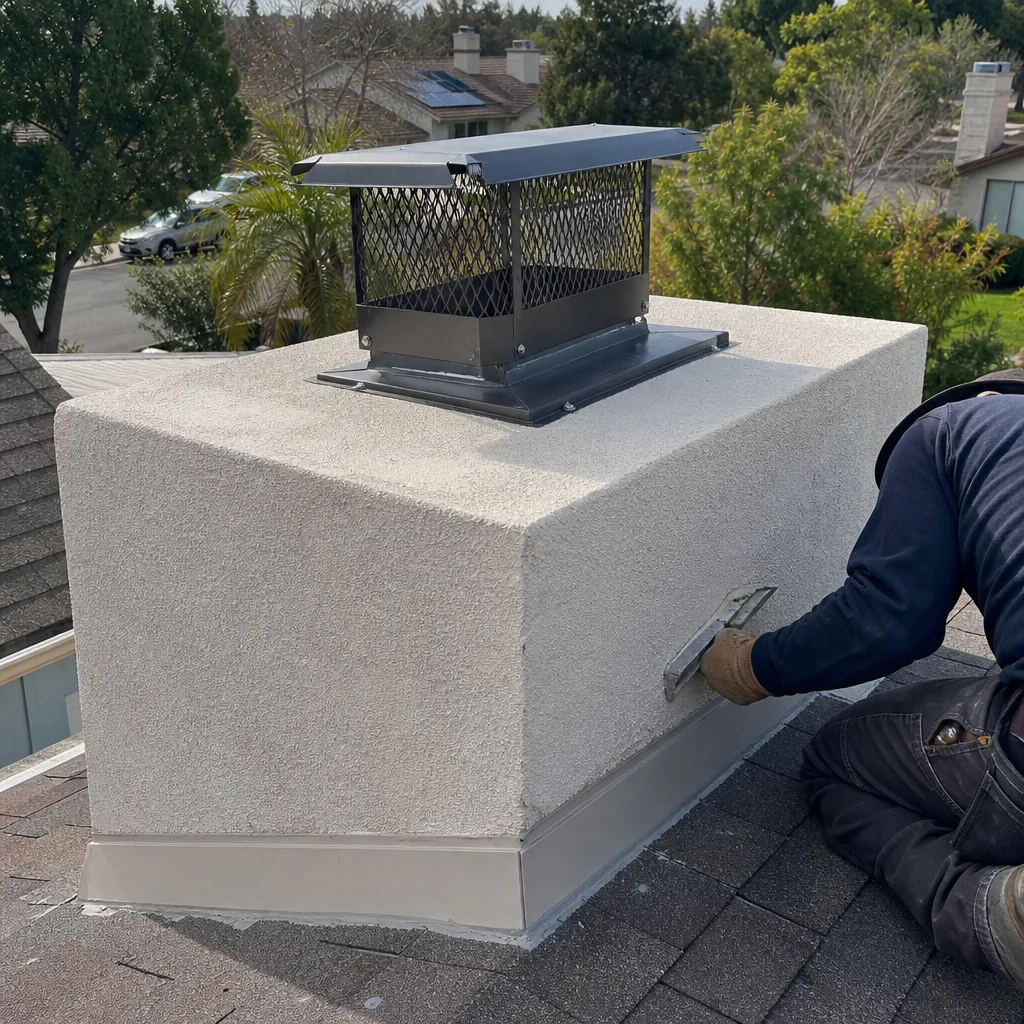 After
After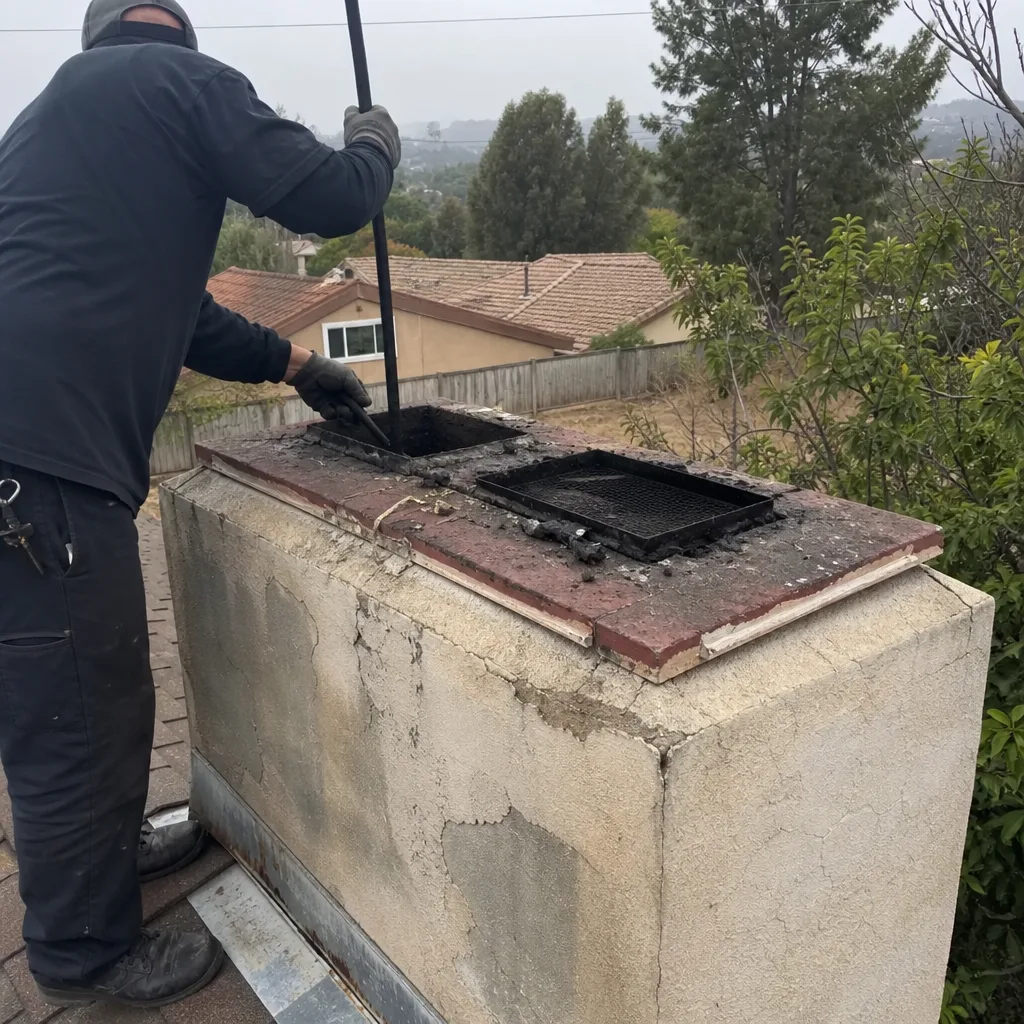 Before
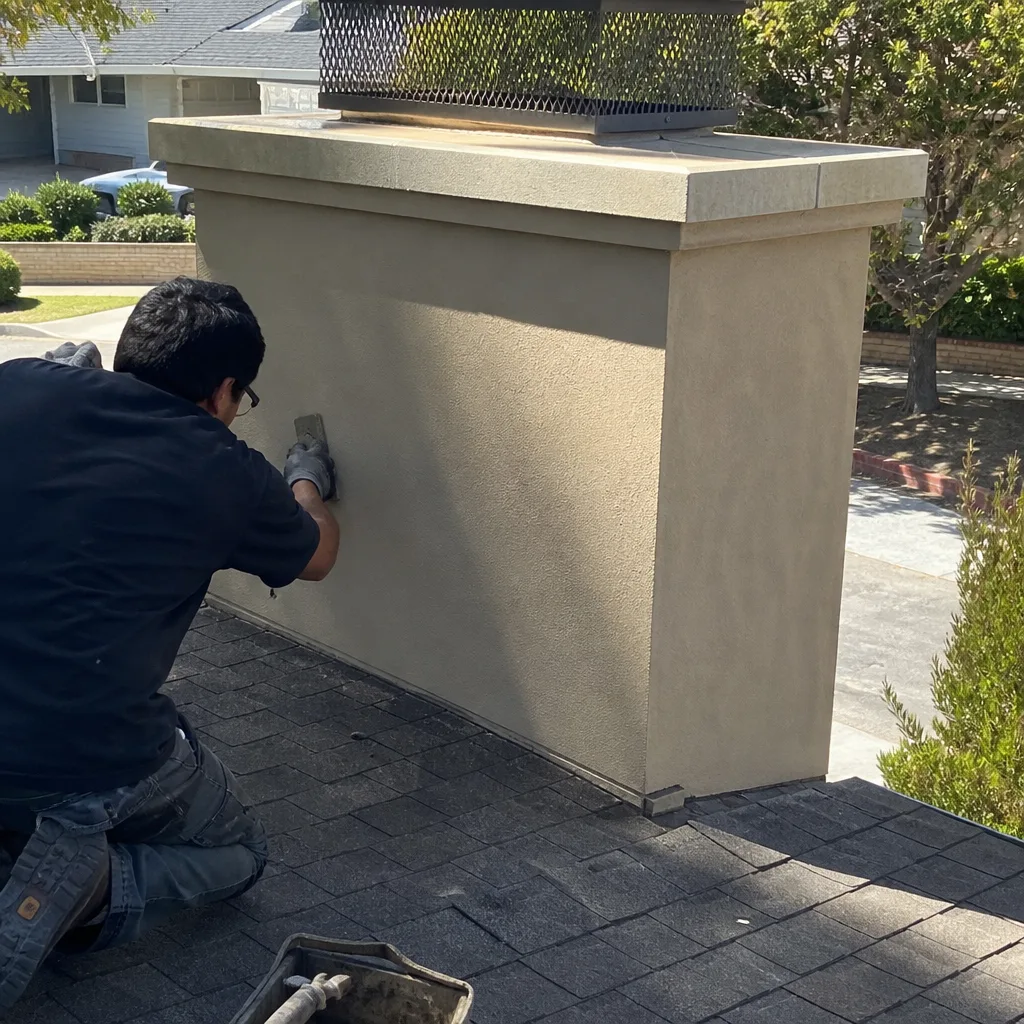 After
After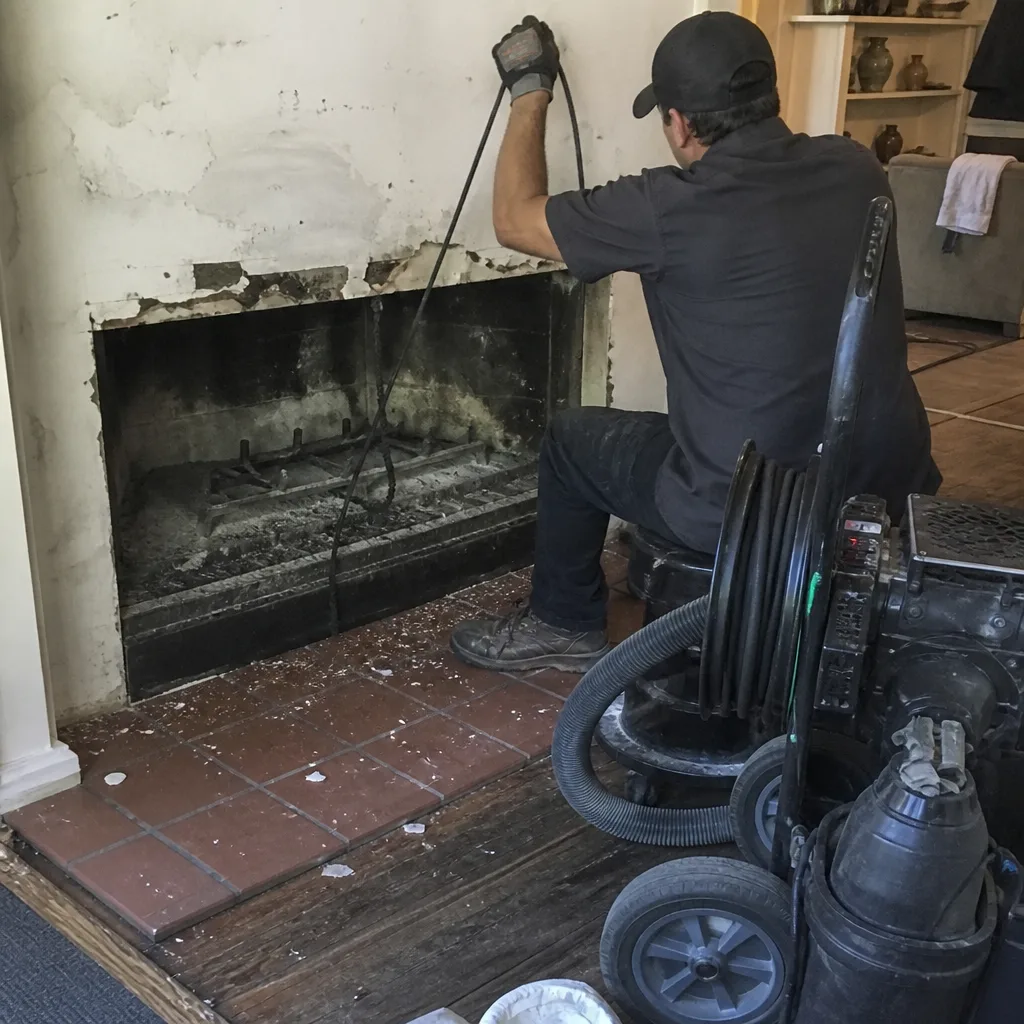 Before
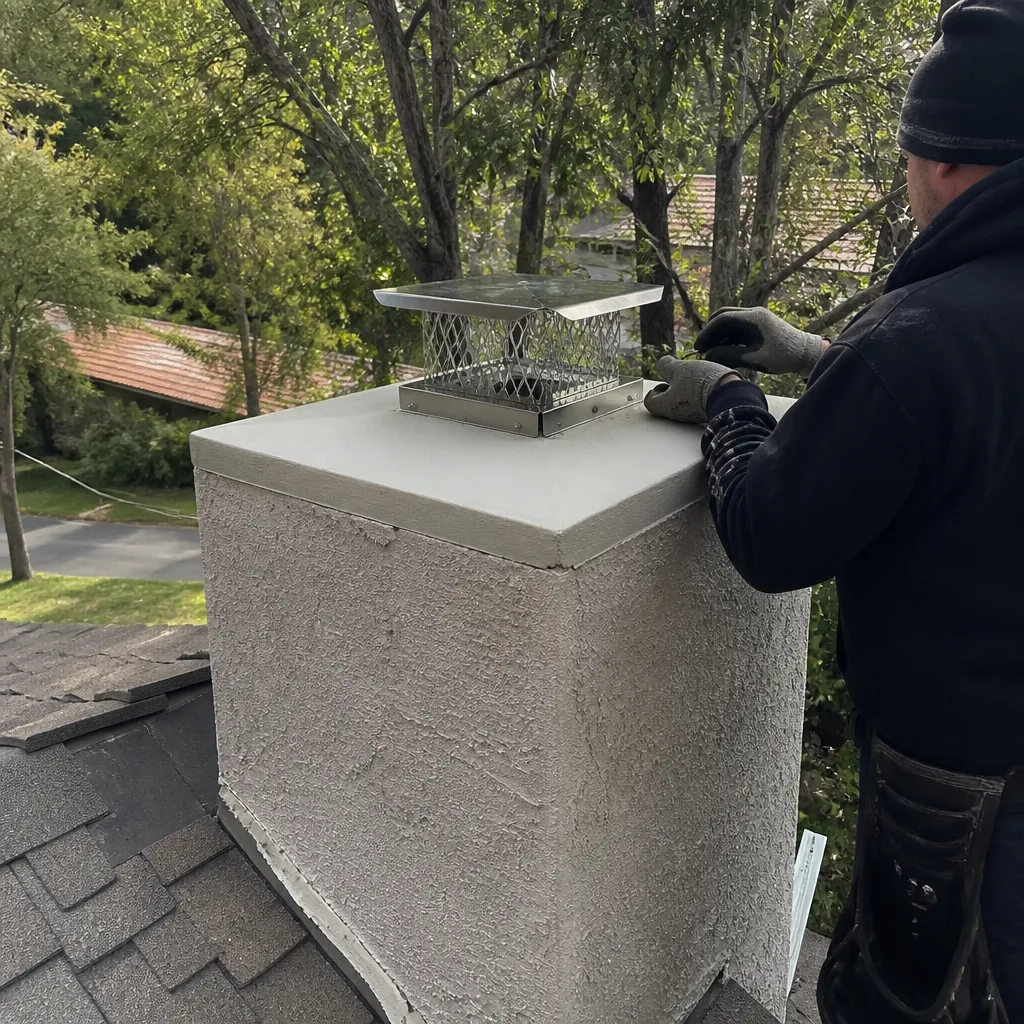 After
AfterCreosote Removal in Thousand Oaks, CA
Creosote removal in Thousand Oaks typically costs between $180 and $650, depending on the class of buildup and the number of flue sections involved. Most jobs are completed in a single visit, and every one starts with a camera scan so you know exactly what’s in the flue before we quote a price. If you’d rather talk first, call us at (424) 786-6130 – a live person picks up, around the clock.
Level Two Chimney Co. has been doing this since 2009. We’ve scoped more than 38,000 chimneys across Ventura County, and Thousand Oaks chimneys have their own pattern: the combination of mild coastal air, dry Santa Ana wind cycles, and the oak-heavy landscaping that gives the city its name means many fireplaces here get used hard in short winter bursts, then sit idle. That use pattern – short, hot fires followed by months of cool, damp air – is exactly what drives Class II and Class III creosote to form faster than homeowners expect.
This page is specifically about creosote removal. For the full picture of what a professional cleaning visit covers, see our Chimney Cleaning & Sweep in Thousand Oaks page. Creosote removal is typically the most technically involved part of that work, and it’s where cutting corners creates real fire risk, so we treat it as its own discipline.
What Creosote Is and Why It Matters
Creosote is a byproduct of incomplete combustion. When wood burns and the smoke rises through the flue, unburned gases and particles cool against the liner walls and condense. Over time, that condensate hardens. NFPA 211 – the national standard our work is referenced against – classifies creosote in three stages:
- Class I (First-degree): Dusty, flaky deposits, typically gray or black. Comes off with a stiff rotary brush. This is what you want to find.
- Class II (Second-degree): Shiny, tar-like buildup, often with a honeycomb or crunchy texture. Requires chemical treatment or specialized rotary tools, not just brushing.
- Class III (Third-degree): Hardened, glazed, sometimes running down the flue like lacquer. Also called glazed creosote. This is the stage that fuels chimney fires – it burns at temperatures exceeding 2,000°F and can crack a clay tile liner in a single event. Removal requires chemical dissolving agents, heavy mechanical scraping, and a Level 2 inspection before the fireplace is used again.
In Thousand Oaks, we regularly find Class II creosote in homes where the fireplace gets used three or four nights a week through December and January, then not at all until the following fall. The long idle period allows any moisture that enters the flue – particularly in neighborhoods near the Arroyo Conejo or the hillside properties above Wildwood Regional Park – to interact with deposits and accelerate the progression toward Class III glazing. This isn’t a scare tactic. It’s what the camera shows us, written in the report, with photos.
When You Need Creosote Removal
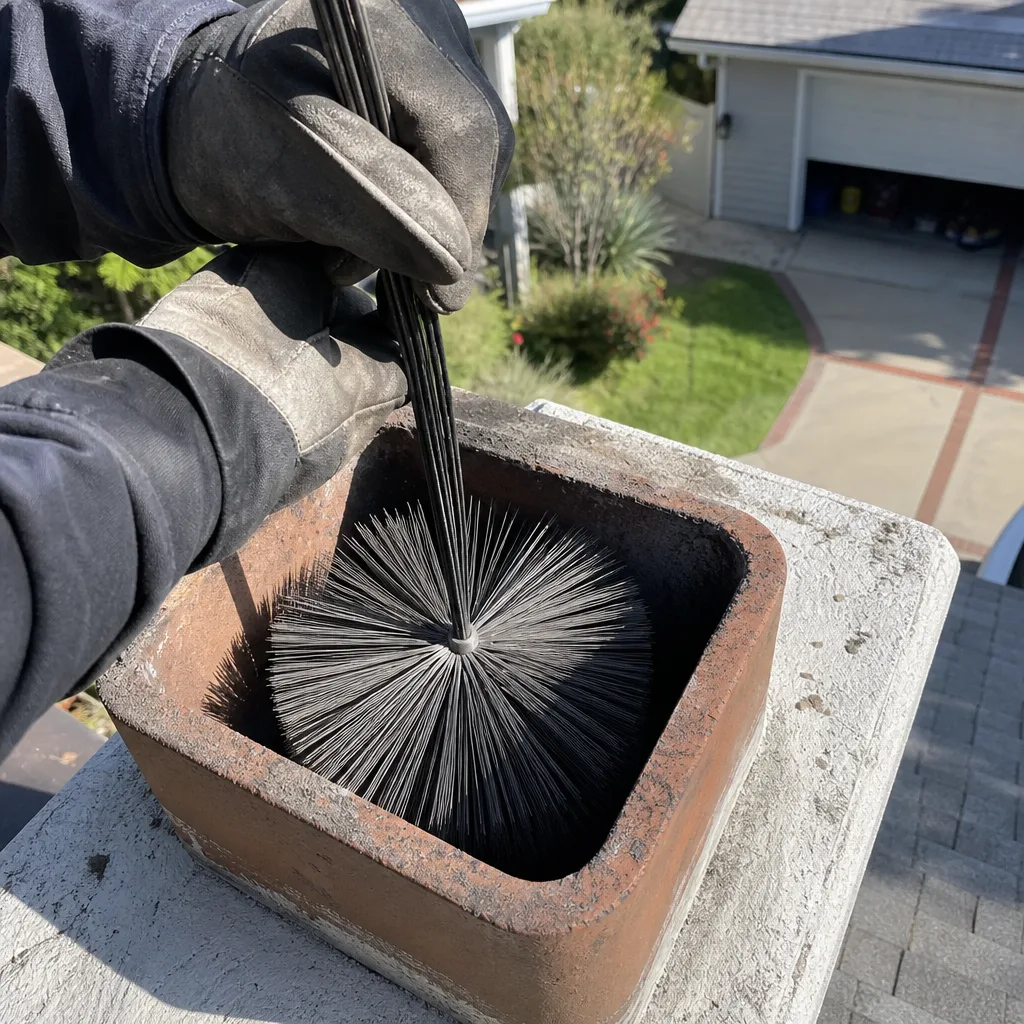
- You smell something sharp or acrid near the fireplace, even when it’s not in use. Class II and Class III creosote off-gas year-round, especially during warm weather. Homeowners in the Conejo Valley often notice the smell first in late spring, when temperatures climb and the deposits warm up inside the flue.
- You’ve had a chimney fire, even a small one. A chimney fire doesn’t have to be loud or dramatic. A low-oxygen fire can burn silently inside the flue and leave a bloated, blistered liner. Any fire event requires a Level 2 camera inspection before the fireplace is used again – and creosote removal is always part of that process.
- Your last cleaning was more than a year ago, or you don’t have a record of one. If you bought your Thousand Oaks home between 2020 and 2025 – a period when nearly every property in the area turned over fast – there’s a real chance the chimney history isn’t documented. We see this constantly in the Meadows neighborhood and around Lynn Road. A camera scan tells you exactly what the previous owner left behind.
- Your fire produces more smoke than it used to, or smoke enters the room. Heavy creosote narrows the usable diameter of the flue, restricts airflow, and disrupts the draft. If your fires are smoky or sluggish, buildup is one of the first things to rule out.
- The NFPA 211 annual inspection flagged buildup. This is the most straightforward scenario: a technician scoped the flue, documented what’s there, and wrote it into the report. That’s what the inspection is for.
- You burn wood frequently, or you’ve been burning green or unseasoned wood. Green wood burns cooler and produces far more creosote per cord than seasoned hardwood. Thousand Oaks properties with oak trees often have access to freshly cut oak, which looks ideal but burns wet. One season of green oak can deposit more creosote than three seasons of properly dried wood.
 Before
 After
AfterOur Creosote Removal Process
-
Camera scan and written price before anything starts.
The first thing we do is send the camera down the flue. Every time. This is Haven Standard Clause 4 – documented photo record on every visit – and it’s how we determine the class of creosote, the condition of the liner, and what tools the job actually calls for. We write the price, scope, and warranty before the brushes come out. You approve it in writing. That’s not a formality; it’s the entire point of working with us. -
Fireplace and firebox prep.
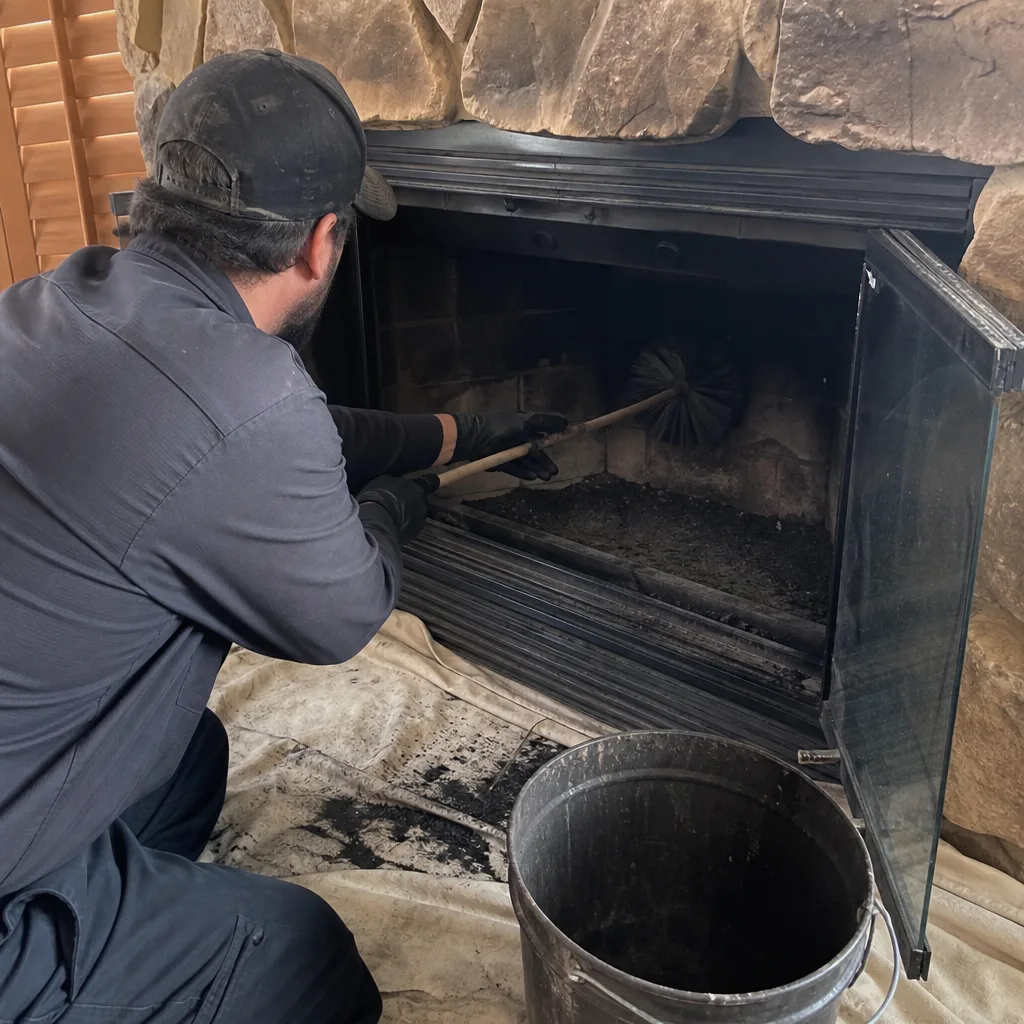
We seal the firebox opening with a drop cloth and HEPA-filtered containment system so debris doesn’t travel into the room. Thousand Oaks homes often have open floor plans where the living and dining areas share the same air; containment matters here more than in older, compartmented layouts. -
Class-appropriate mechanical cleaning.
For Class I buildup, rotary brush systems handle the work efficiently. Class II deposits get a combination of rotary rod systems and hand scraping at sections where the buildup is thicker or irregular. We use Copperfield brush systems for standard terra cotta and stainless liner work – the rod flexibility and bristle density hold up under heavy use. Class III glazed creosote requires a different approach entirely: chemical application first, mechanical removal second, followed by a re-scan. -
Chemical treatment for Class II and Class III deposits.
Where the buildup has hardened beyond what mechanical cleaning can safely address, we apply a professional-grade creosote dissolving agent and allow appropriate dwell time before scrubbing. This step is often skipped by shops that charge a flat rate and move fast. We don’t skip it, because skipping it leaves glazed material on the liner – and glazed material is what carries chimney fires. -
Post-removal camera scan and photo documentation.
Once the flue is clean, the camera goes back down. The post-job photos are included in your documented record, not sold as an add-on. If the cleaning revealed liner damage, spalling, or mortar joint failure that wasn’t visible before – which happens occasionally in older Thousand Oaks homes built before 1985 – we note it in writing and explain your options before we leave. -
Written summary and 365-Day Done Right Promise.
You leave with the before photos, after photos, camera findings, and a written summary of what was removed and what we saw. The 365-Day Done Right Promise is stamped on every job: if it’s not right, we come back and make it right. That commitment is part of every creosote removal we complete in Thousand Oaks.
Creosote Removal Pricing in Thousand Oaks
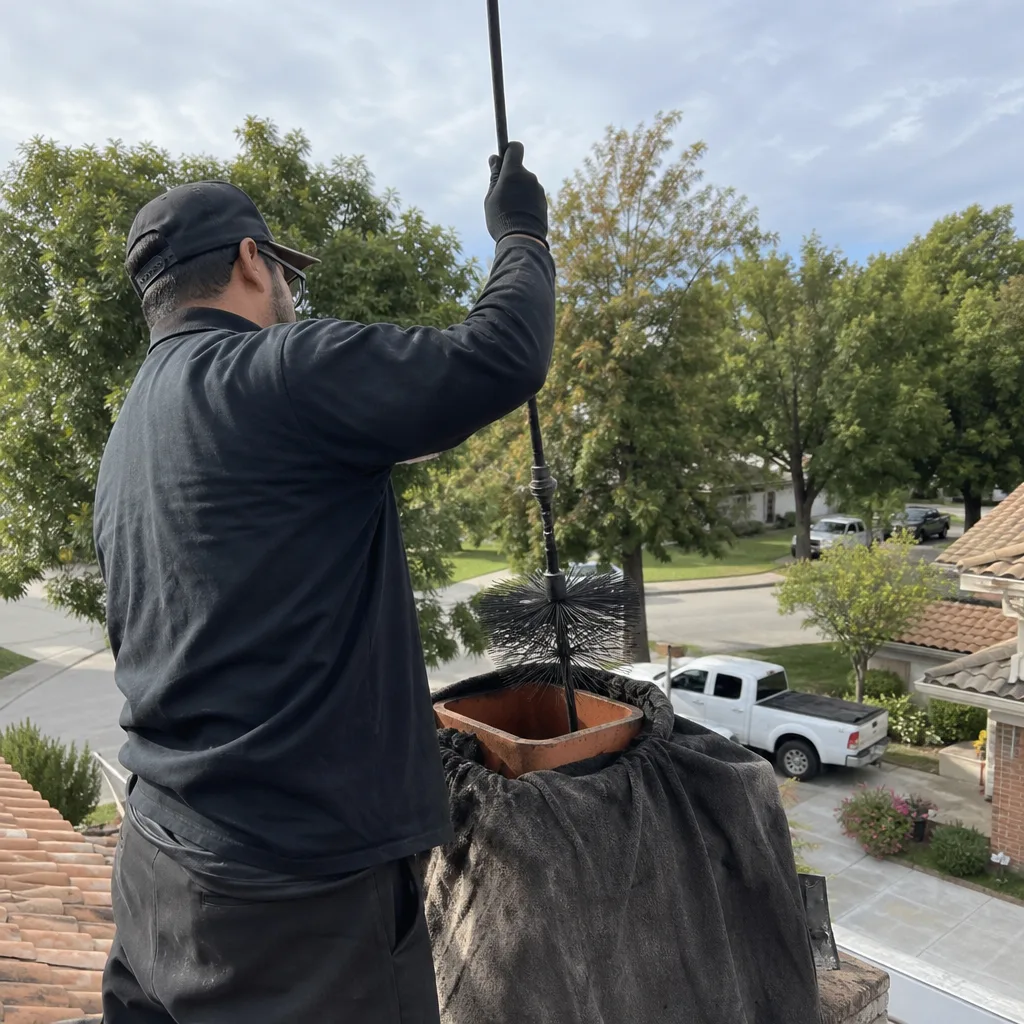
Creosote removal pricing in Thousand Oaks ranges from $180 to $650 for most residential chimneys, with Class III (glazed creosote) jobs on the higher end of that range. The written price is given before work starts – every time, no exceptions.
| Creosote Class | Typical Price Range | Notes |
|---|---|---|
| Class I – Dusty/Flaky | $180 – $280 | Included in a standard cleaning visit for most chimneys |
| Class II – Tar-like / Honeycomb | $280 – $420 | Requires rotary tools and additional labor time |
| Class III – Glazed / Hardened | $420 – $650 | Chemical treatment plus mechanical removal; includes pre- and post-scan |
| Multi-flue systems | Priced per flue | Common in older Thousand Oaks homes with dual-fireplace layouts |
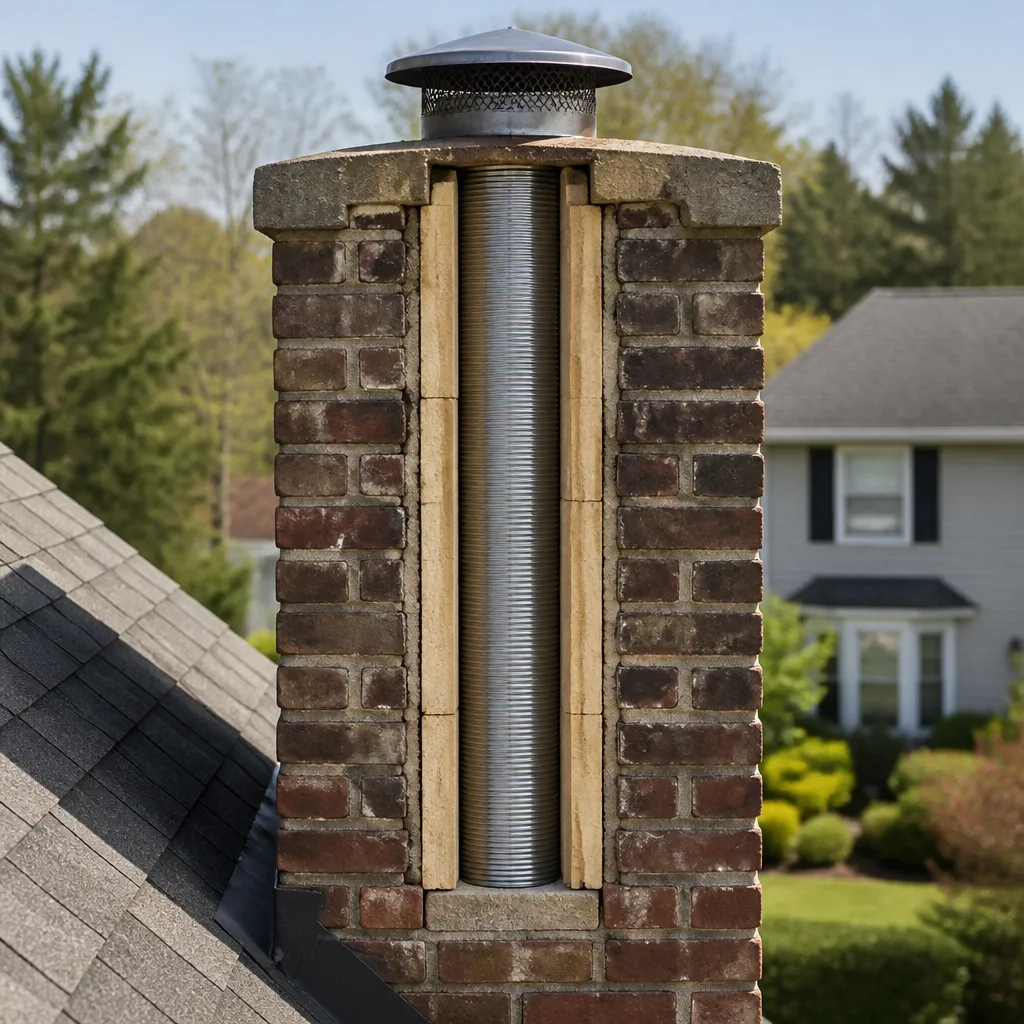
A few things drive cost up or down. Flue height matters – taller chimneys take longer and require more rod sections. Liner material matters too: a DuraFlex stainless liner is smoother and releases buildup more readily than a clay tile liner with cracked joints or recessed mortar. The number of offsets and bends in the flue path affects access and cleaning time. And if the previous cleaning was recent and documented, the buildup is almost always less severe.
If a competitor has given you a written estimate, bring it. We offer a Free Second Opinion on any written quote – no appointment fees, no pressure. Call (424) 786-6130 and we’ll schedule a camera scan and give you a written price to compare directly.
FAQs – Creosote Removal
How much does creosote removal cost in Thousand Oaks?
Creosote removal in Thousand Oaks costs between $180 and $650 for most single-flue residential chimneys, depending on the class of buildup. Class I deposits at the lower end are usually addressed as part of our Chimney Cleaning & Sweep services. Class III glazed creosote at the higher end requires chemical treatment and more labor. You’ll have a written price before any work starts. Call (424) 786-6130 for a free estimate – we can usually give you a same-day appointment for the camera scan and quote.
Can I remove creosote myself?
Class I deposits can be partially addressed with consumer rotary brush kits, but the results are limited and the risk of missing heavier buildup is real without a camera in the flue. Class II and Class III creosote should not be a DIY project. The chemical agents used on glazed deposits require proper ventilation, protective equipment, and knowledge of dwell times. More to the point, scraping inside a flue without knowing the liner condition – whether there are cracks, failed mortar joints, or sections where the liner has shifted – risks making structural damage worse. A camera inspection before and after is the only way to know the job is actually done. We’ve seen Thousand Oaks homeowners damage clay tile liners by using rotary tools aggressively on a flue that already had hairline cracks. The repair bill was considerably more than a professional cleaning would have been.
How often does creosote need to be removed in Thousand Oaks?
NFPA 211 recommends a Level 1 Inspection at least once per year, with cleaning whenever deposits warrant it. In Thousand Oaks, most active fireplace users need a cleaning every one to two seasons. The specific variable is how you burn: seasoned hardwood with good air supply produces far less creosote than green wood or fires that are damped down too early. Chimneys on the cooler, north-facing sides of hillside properties – common in the Wildwood or Sunset Hills areas – tend to accumulate deposits faster because the flue stays colder and condensation happens higher up in the stack. A camera scan once a year answers the question precisely, rather than guessing.
Is creosote removal the same as a chimney cleaning?
Creosote removal is part of chimney cleaning, but not all cleanings address creosote equally. A standard sweep handles Class I deposits as a matter of course. Class II and Class III buildup require additional tools, time, and in some cases chemical treatment – work that goes beyond what a basic cleaning covers and should be quoted separately. Our Chimney Cleaning & Sweep in Thousand Oaks page explains what a full cleaning visit covers. If the camera scan on your visit shows Class II or Class III buildup, we’ll write that into the scope and price before we start the additional work – it won’t appear as a surprise line on the invoice after the fact.
Why Thousand Oaks Homeowners Choose Level Two
Corrine Halstead built Level Two Chimney Co. around a straightforward idea: show people what’s in their chimney before asking them to pay for anything. That meant putting the camera in the flue on every visit, writing the price before the brushes came out, and keeping a photo record the homeowner could actually reference later. That practice started in 2009 and became Clause 4 of the Haven Standard. It wasn’t a marketing decision. It was the only way to have an honest conversation about what a chimney actually needs.
More than 38,000 chimneys later, the process hasn’t changed. A background-checked, uniformed technician is assigned to your job. You get a text when they’re on the way. The written price, scope, and warranty come before any work starts – Haven Standard Clause 1. The 365-Day Done Right Promise covers the job after. And a live person answers the phone when you call (424) 786-6130, any hour of the day.
We source materials through Haven’s buying network – including DuraFlex liner systems and HeatShield products when repair is needed alongside the cleaning – specifically to keep prices honest rather than marked up through a retail chain. If a creosote removal reveals liner damage that needs addressing, you’ll see a separate written quote for that work before it starts. Nothing gets bundled in quietly.
If you’re in Thousand Oaks and you haven’t had the flue scoped in the last twelve months – or you’ve never seen a camera report from a previous cleaning – call us at (424) 786-6130. The estimate is free, the price is written before anything starts, and the photo record is yours to keep when it’s done.
Written by Corrine Halstead, Owner at Level Two Chimney Thousand Oaks, serving Thousand Oaks since 2009.