
Last updated September 21, 2026
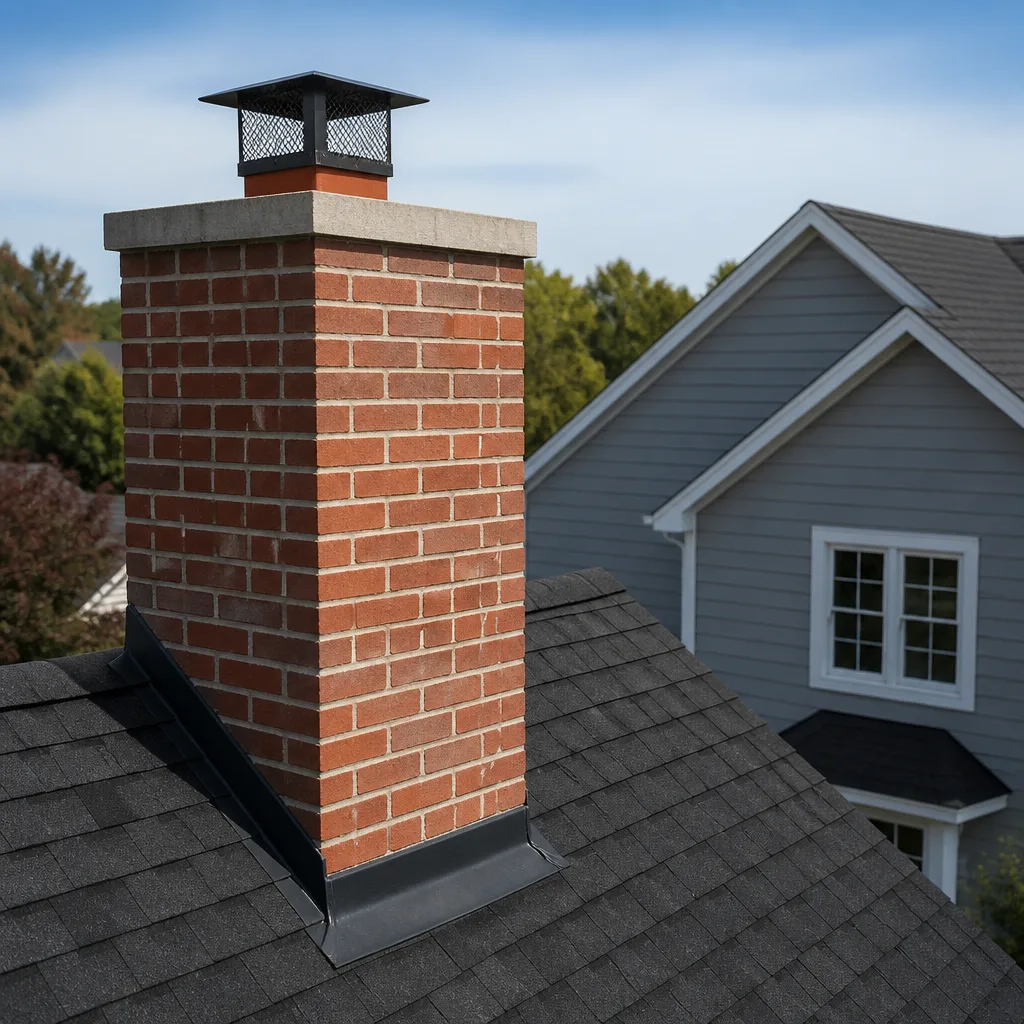
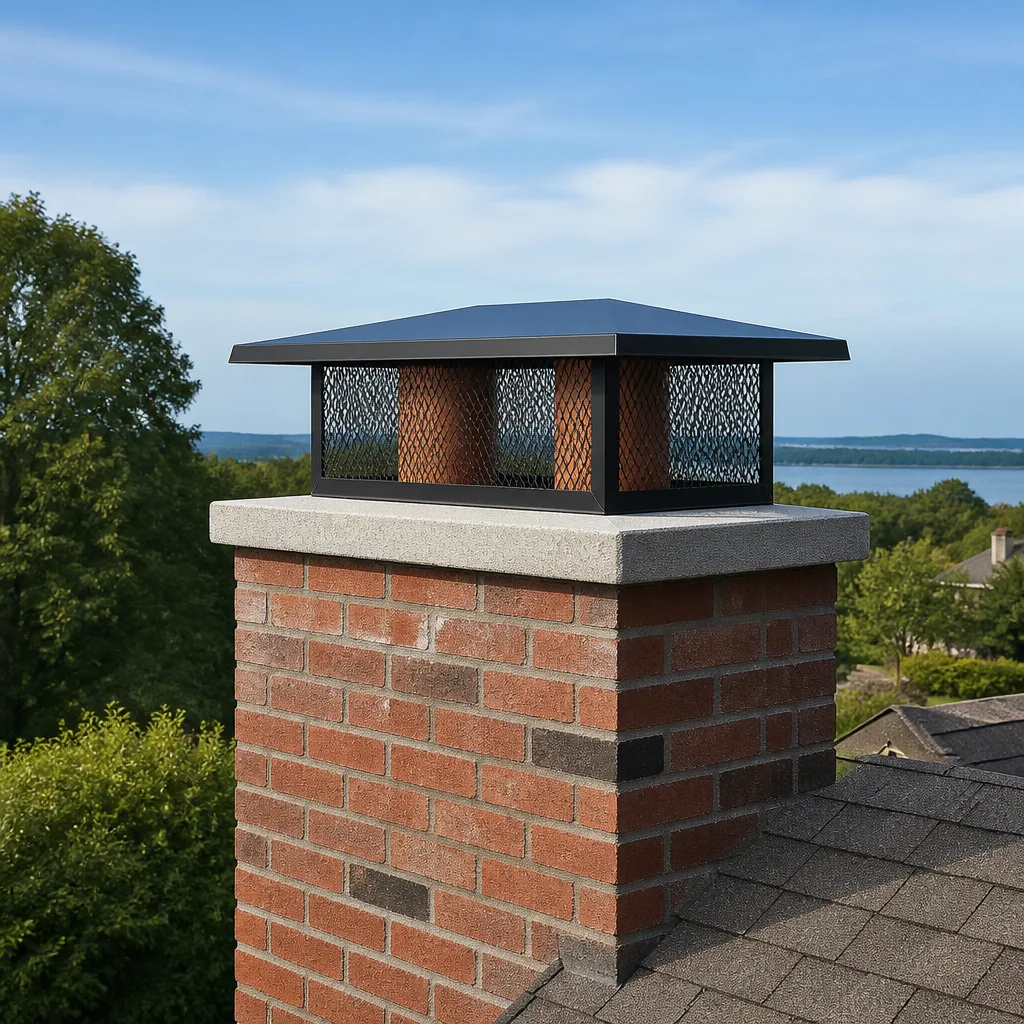
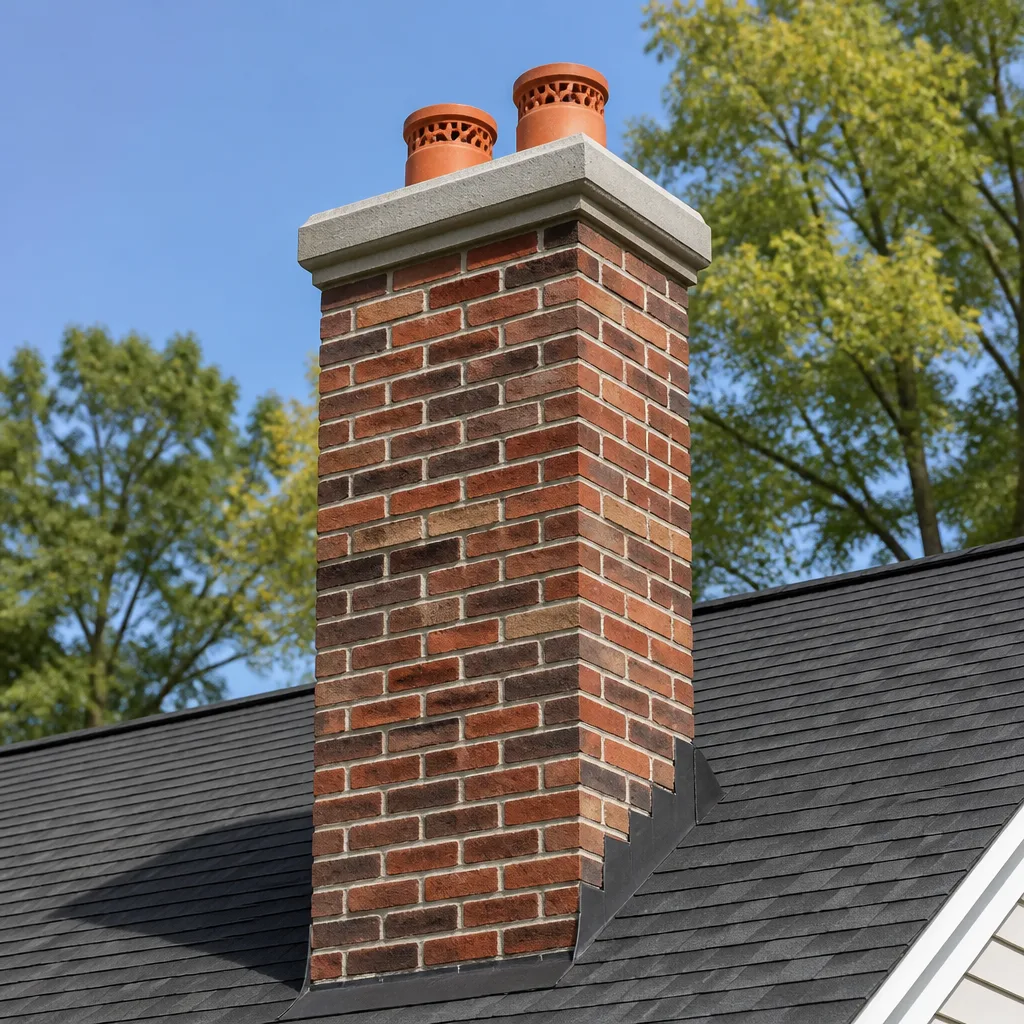
Level 1 sweep and inspection to the NFPA 211 annual standard - flue, crown, cap, and flashing checked and photographed
Chimney sweep logs do not sweep chimneys. They loosen some creosote - which then falls where a brush and vacuum still have to collect it.
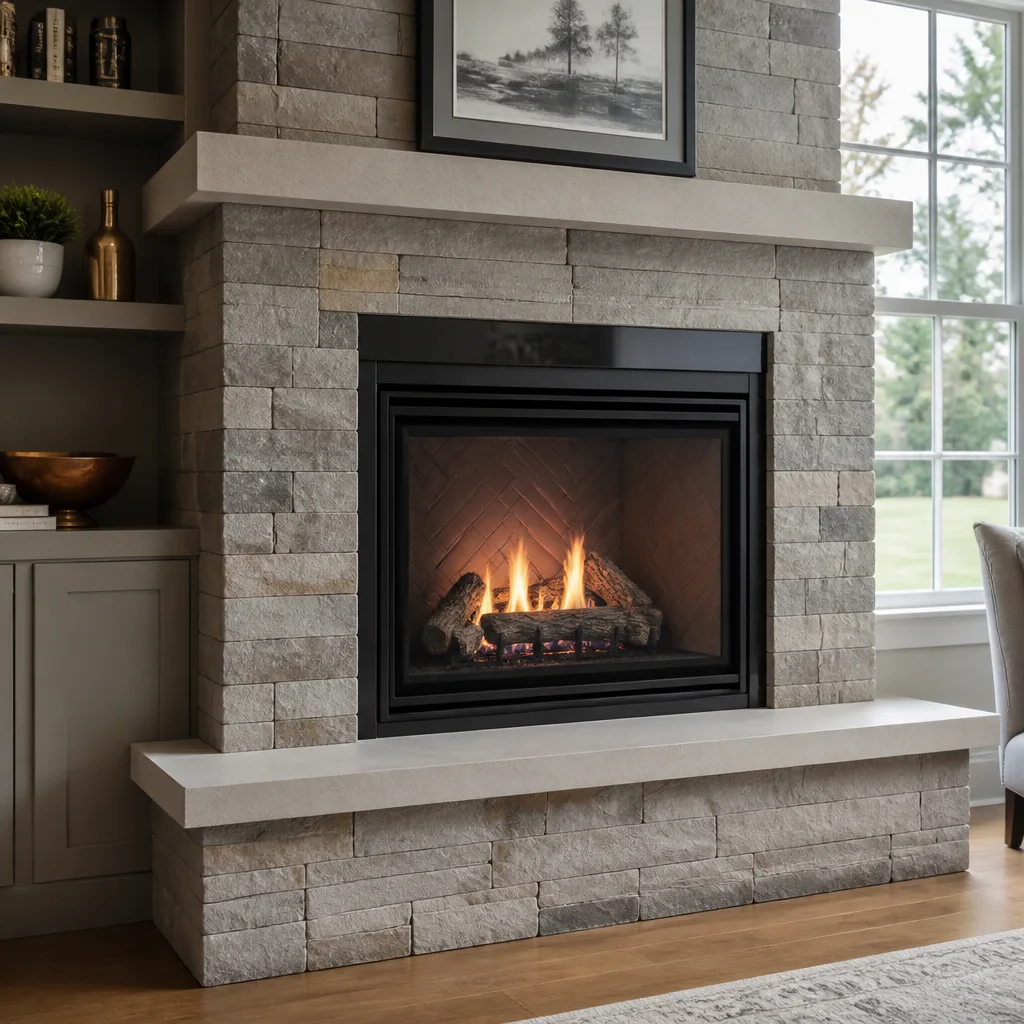
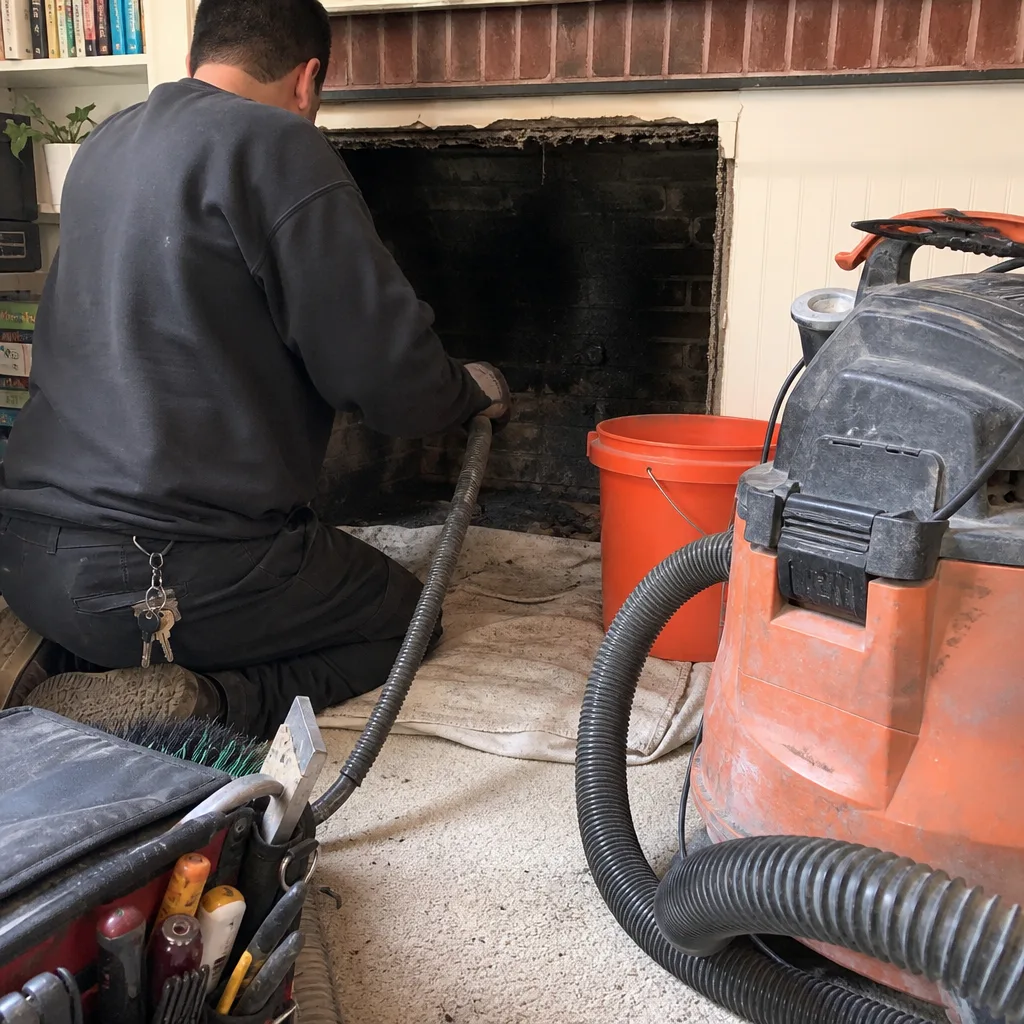 Before
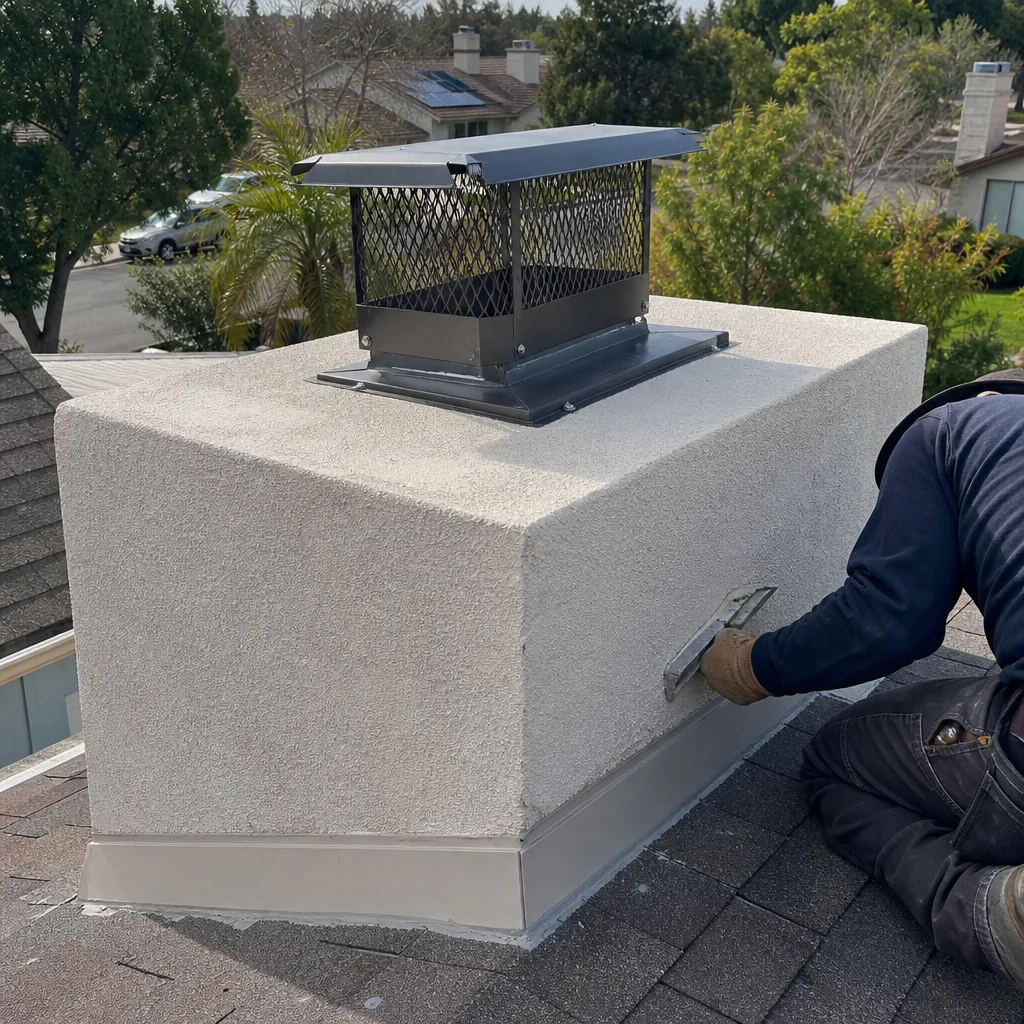 After
After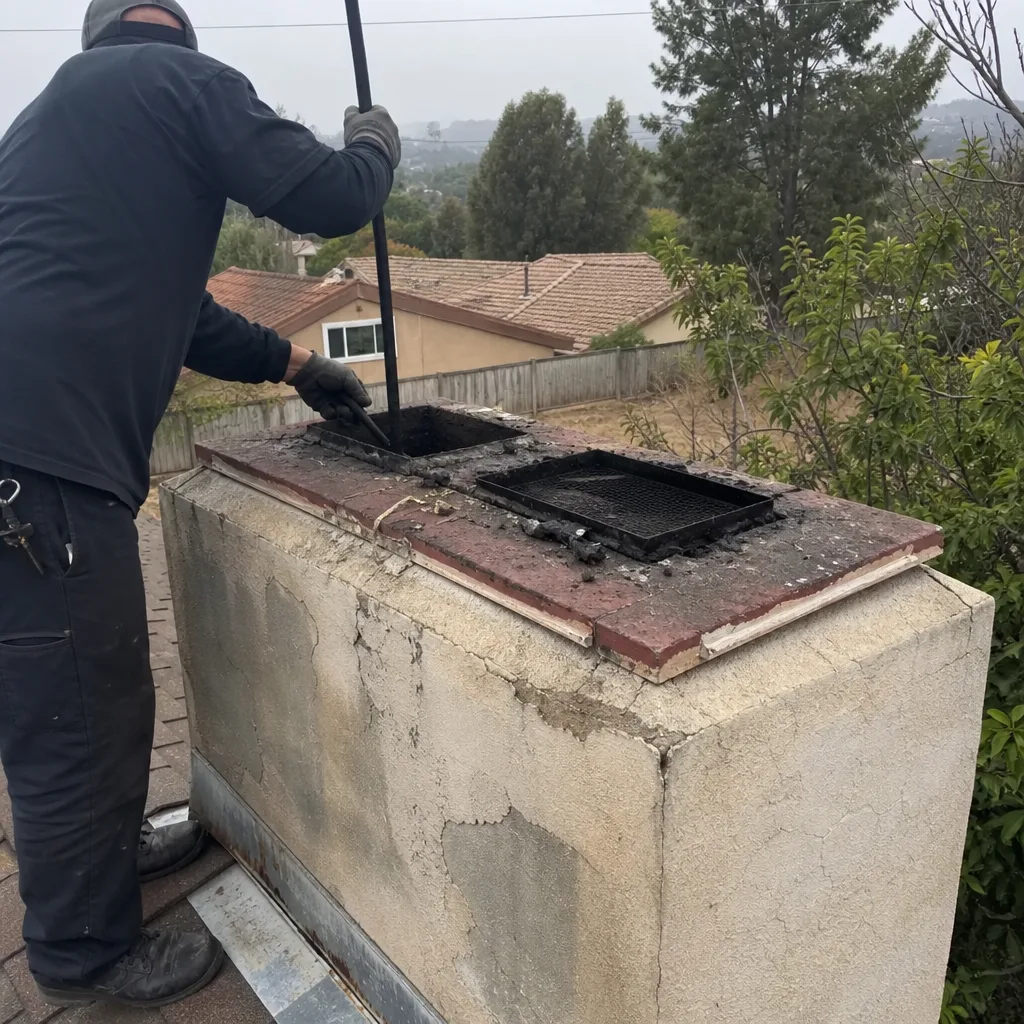 Before
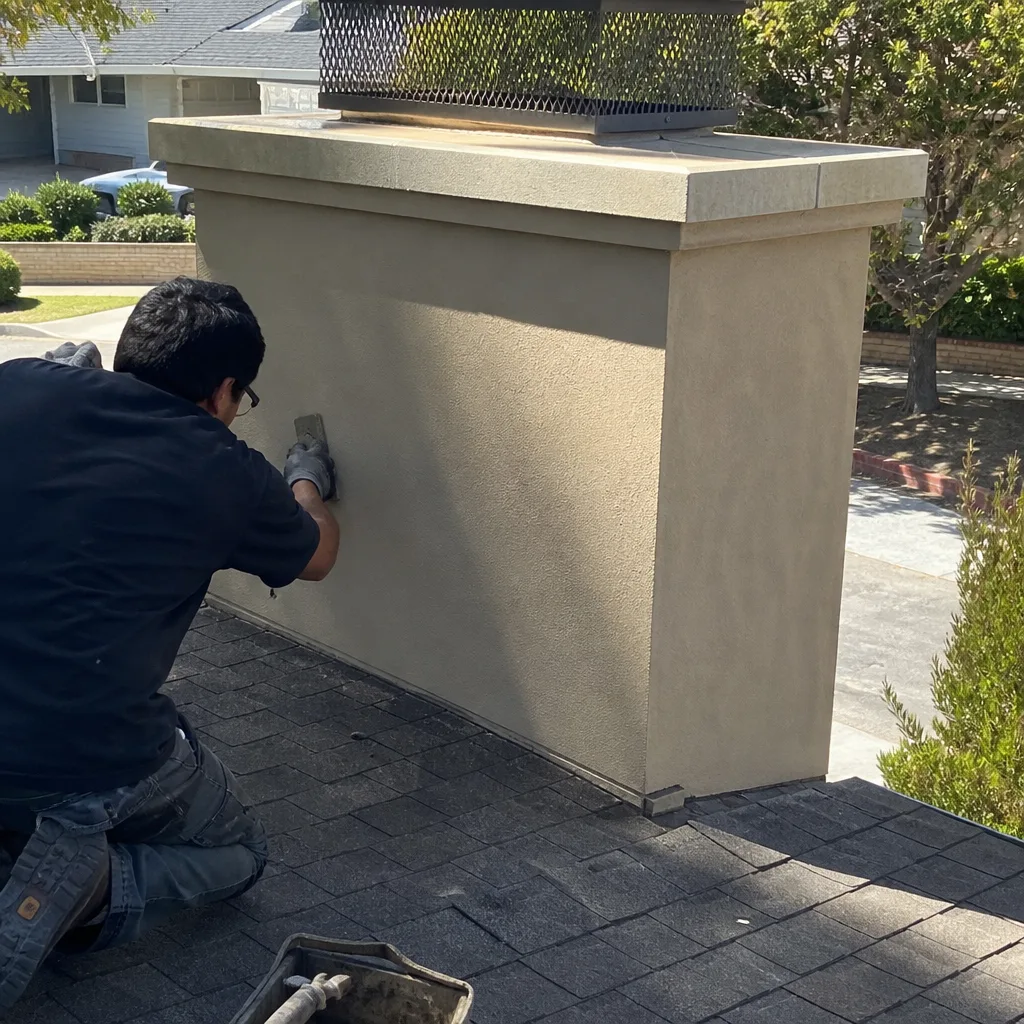 After
After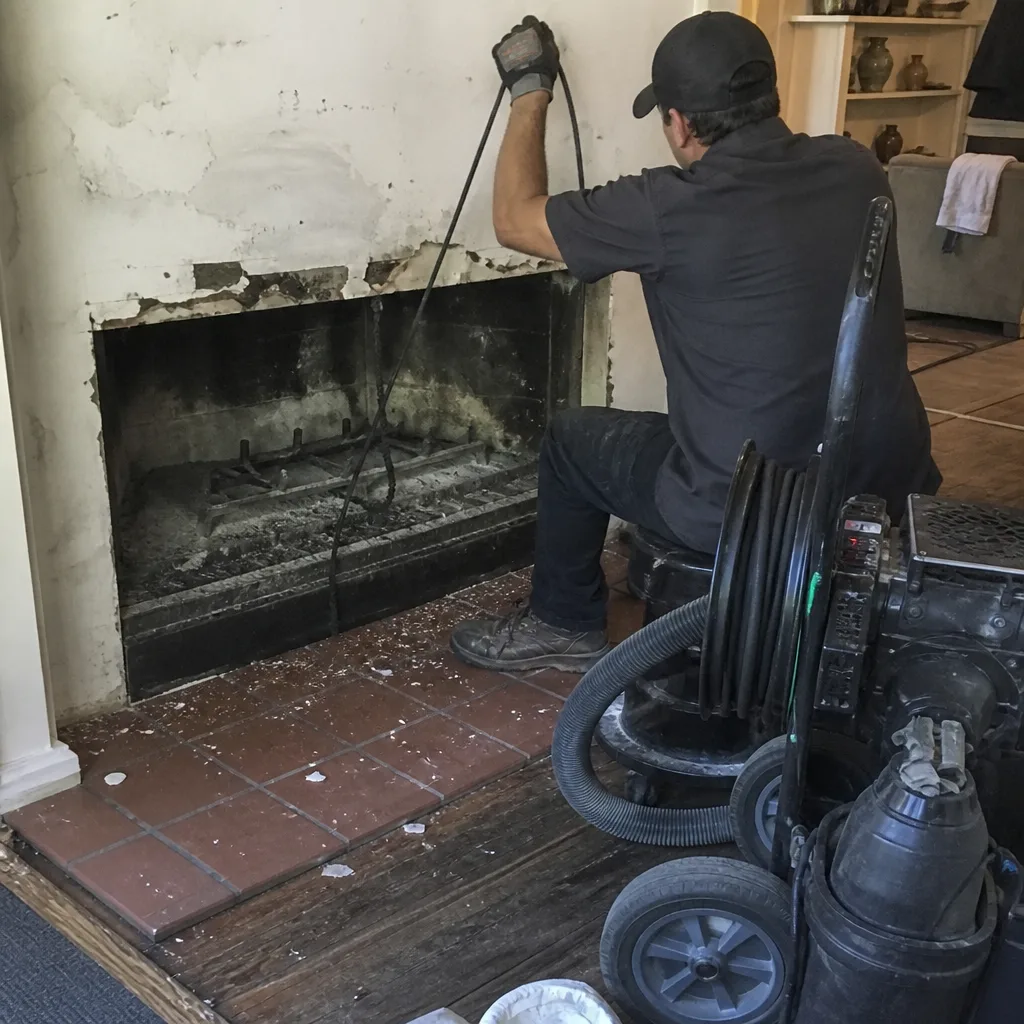 Before
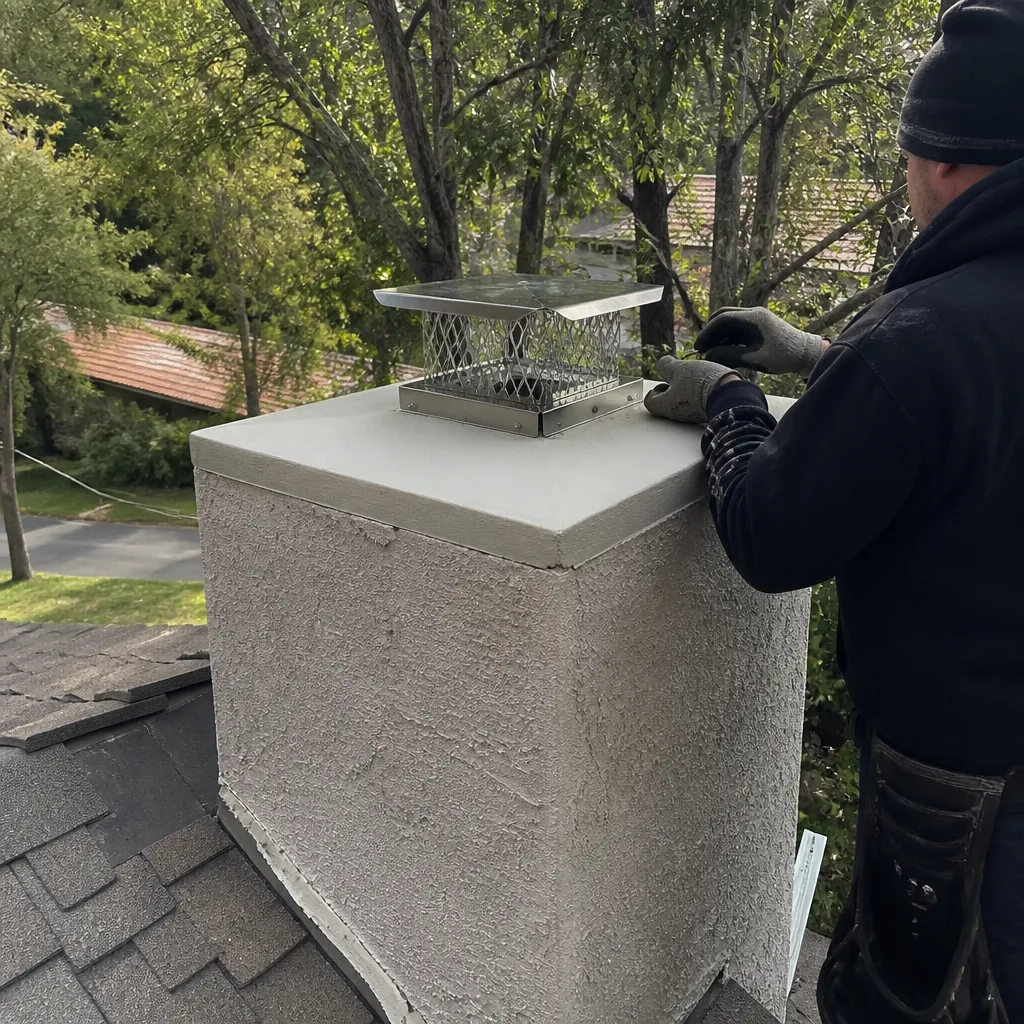 After
AfterHow to Hire a Chimney Cleaning Contractor in Thousand Oaks: A Step-by-Step Guide
The most common chimney scam in Southern California doesn’t involve fake damage photos. It involves real photos of real creosote presented to a homeowner who has no baseline to evaluate whether the recommended $3,000 restoration is necessary or optional. In Thousand Oaks, where Mediterranean climate patterns create wet winters followed by dry, hot summers, chimneys accumulate moisture-driven deterioration that honest contractors document and dishonest ones exploit. This guide gives you the exact questions, documents, and red flags to screen for before anyone enters your home, and points you to more guides & resources for ongoing maintenance. By the end, you’ll know how to distinguish a legitimate sweep from a bait-and-switch operation, what a proper written estimate must contain, and why the inspection standard matters more than the company slogan.
Quick Answer
Hiring a chimney cleaning contractor in Thousand Oaks requires verifying three credentials (CSIA certification, liability insurance with chimney work specifically listed, and an active C-29 or C-61/D-49 California contractor license), demanding a written estimate with line-item scope and warranty terms before any work begins, and confirming that camera-scan inspection is the default practice, not an upsell. The legitimate contractor will provide a documented photo record of findings, explain what can wait versus what cannot, and never pressure you into same-day decisions.
Table of Contents
- The Three Credentials That Actually Matter
- How to Read and Evaluate a Written Estimate
- Camera Inspection: Default Practice or Upsell?
- What a Legitimate Post-Service Report Looks Like
- The Contract Clause That Protects You From Surprise Costs
- Red Flags Specific to the Thousand Oaks Market
- What Chimney Cleaning Costs in Thousand Oaks
- Common Mistakes to Avoid
- When to Call a Professional
- Frequently Asked Questions
 Before
 After
AfterThe Three Credentials That Actually Matter
Every chimney contractor in Thousand Oaks will show you logos. Most of them mean less than you think. Here’s what to verify, how to verify it, and why the distinction protects you.
1. CSIA Certified Chimney Sweep
The Chimney Safety Institute of America (CSIA) certification is the only credential in this trade with a standardized exam, continuing education requirement, and public verification system. A CSIA-certified sweep has passed a test covering NFPA 211 standards, building codes, and combustion safety. To verify: ask for the sweep’s CSIA ID number and check it at csia.org. Do not accept “our company is CSIA-certified” - the certification belongs to individuals, not businesses, and expires. If the person who shows up at your Thousand Oaks home is not the certified sweep whose name is on the marketing, that’s a problem.
2. Liability Insurance With Chimney Work Specifically Listed
General liability insurance is not enough. A policy that covers “general handyman services” may exclude chimney-specific work, especially work performed at height or involving combustion systems. Ask to see the certificate of insurance (COI) and look for language that specifically names chimney sweeping, inspection, repair, or liner installation. The COI should list your address as the certificate holder if work is being performed that day. This matters in Thousand Oaks particularly because many homes in North Ranch and Westlake Village-adjacent areas have steep-pitched roofs and second-story chimney exposures that increase fall risk.
3. Active California Contractor License
Chimney work in California requires a C-29 (Masonry) or C-61/D-49 (Chimney) contractor license. Verify any license number at csLB.ca.gov. Check three things: the status is “Active,” the classification matches the work being proposed, and there are no pending disciplinary actions. A handyman with a B-General license performing chimney liner installation is operating outside his classification. That voids your permit and your homeowner’s insurance coverage if something goes wrong.
Decorative logos to ignore: membership in local chambers of commerce, “Best of” awards from unverifiable publications, and manufacturer “authorized installer” badges that require only a purchase volume threshold, not technical competence.
How to Read and Evaluate a Written Estimate
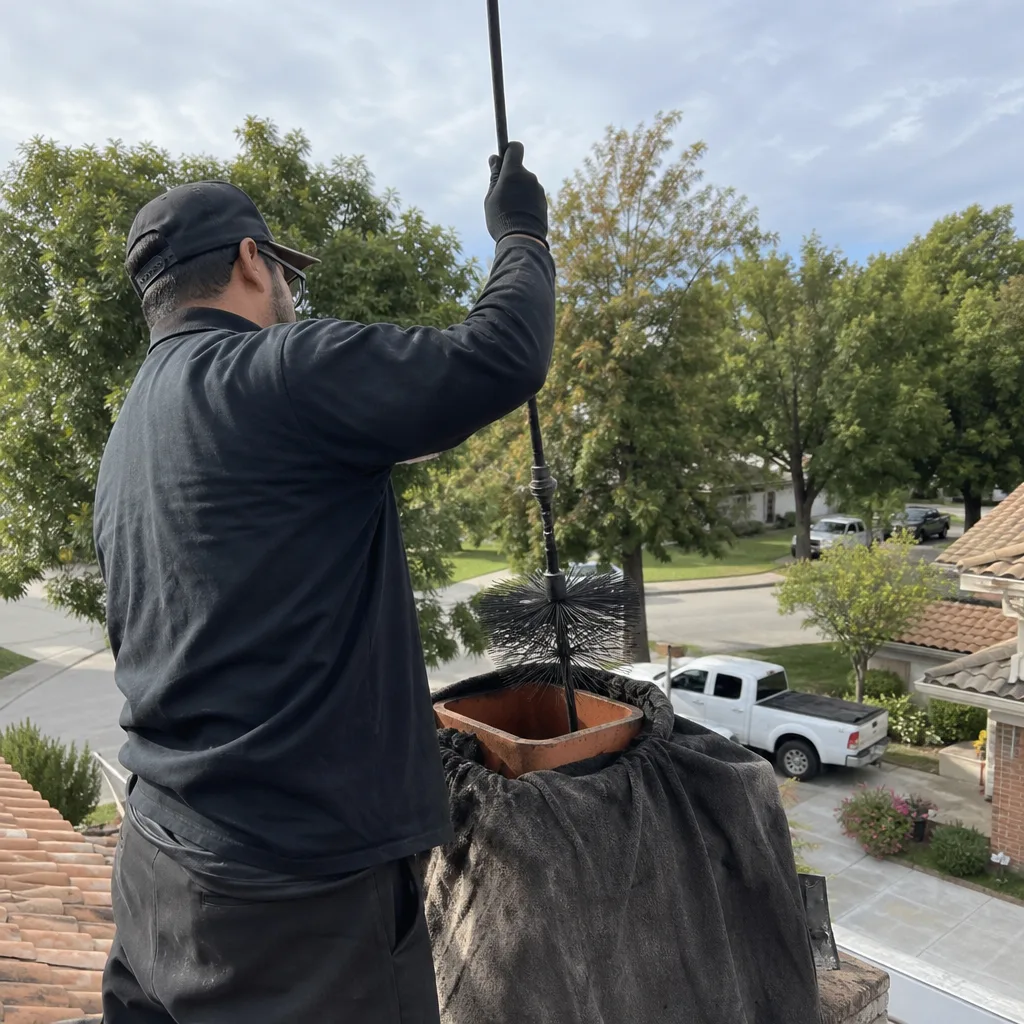
A written estimate is not a courtesy. In our experience across more than 38,000 chimney inspections and cleanings since 2009, it is the single document that separates professional practice from predatory pricing. Here’s what must be present, what common phrases actually mean, and what blanks signal danger.
Required Line Items
- Scope of work in plain language: “Sweep flue from firebox to crown, remove Class I/II/III creosote deposits, inspect with video scan from top to bottom” - not “clean chimney.”
- Inspection standard cited: NFPA 211 Level 1, 2, or 3. Level 2 (camera scan of the flue interior) is the minimum for any home sale, new appliance installation, or suspected damage. Level 1 is a visual check from accessible areas only.
- Materials specified by name or grade: If liner work is proposed, the estimate should name the alloy (316Ti stainless, 304, etc.) or the specific product (DuraFlex, Olympia Chimney). “Stainless liner” is not specific enough.
- Warranty terms: Duration, what is covered, what voids it, and whether it is transferable. The 365-Day Done Right Promise we offer is stamped on every job under the Haven Standard - but any warranty should be in writing, not verbal.
- Total price and payment terms: Deposit amount, balance due timing, and accepted payment methods.
Decoded: “Diagnostic Fee Applied to Service”
This phrase usually means you pay $89-$149 for an inspection, and that amount is credited toward any work you authorize the same day. The problem: it creates pressure to decide immediately, before you’ve reviewed the findings or sought a second opinion. A legitimate contractor in Thousand Oaks will perform the inspection, provide the photo documentation, and let you schedule work later with the diagnostic fee still applied. At Chimney Cleaning & Sweep in Thousand Oaks, we provide written estimates with no diagnostic fee structure - the inspection and documentation are part of the standard scope, not a separate revenue event.
Blanks That Signal Danger
- Blank space where warranty terms should appear
- “TBD” or “as needed” for materials without a maximum price cap
- No mention of permit requirements (required in Ventura County for liner installation and structural repair)
- Verbal-only pricing with “we’ll write it up after we start”
Camera Inspection: Default Practice or Upsell?
The inspection standard determines everything else: what gets found, what gets documented, and what your insurer or home buyer will accept. Here’s how to ask and what the answer reveals.
The Exact Questions to Ask
- “Is the camera scan included in your standard cleaning price, or is it extra?”
- “Does your technician carry the camera on every truck, or does it need to be scheduled separately?”
- “Will I receive the video or still images, and in what format?”
- “If you find damage during the camera scan, do you stop and consult me before proceeding with repairs?”
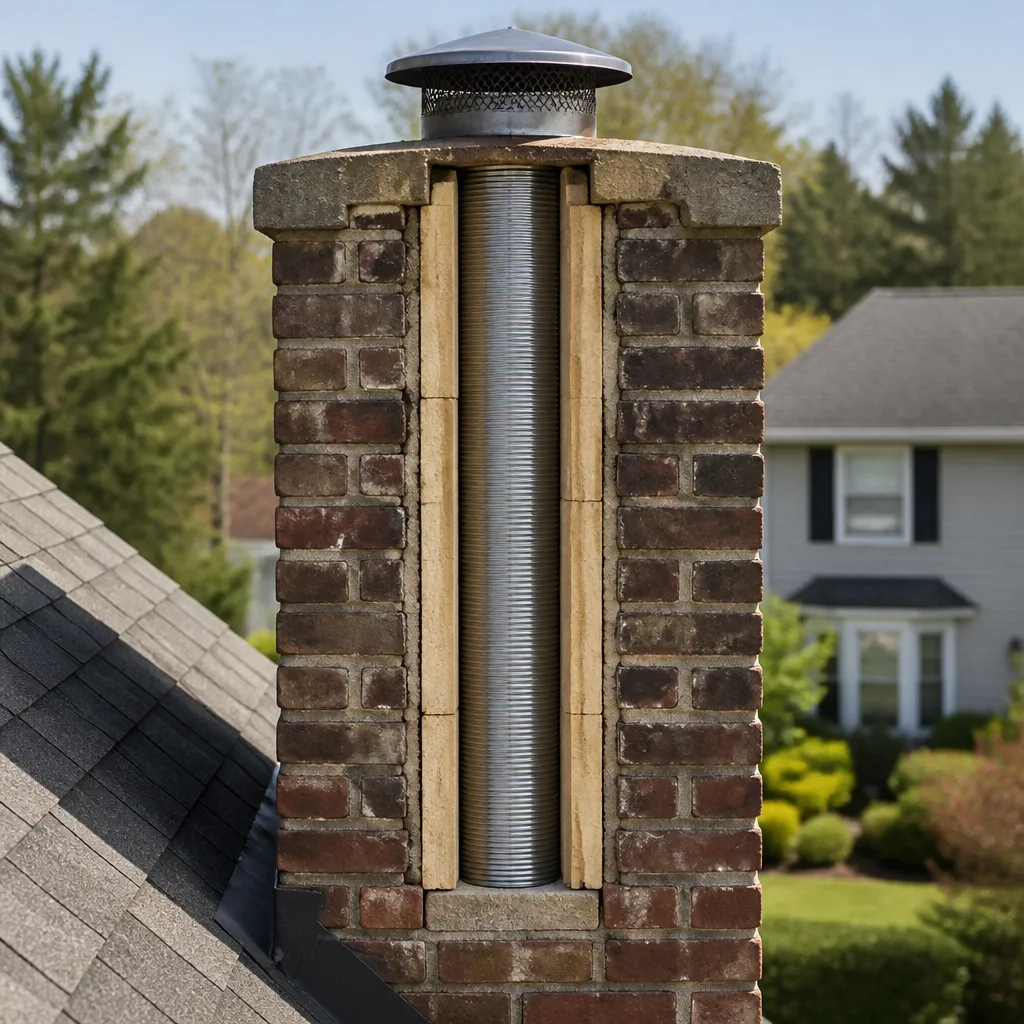
The answers matter for liability reasons. In Thousand Oaks, where many homes were built during the 1960s-1980s construction boom, clay flue tiles are reaching end of life. A contractor who does not camera-scan as default will miss cracked tiles, missing mortar joints, and gaps between flue sections - conditions that allow heat transfer to combustible framing and create fire risk. You cannot see these defects from the firebox or roof.
Clause 4 of the Haven Standard requires a documented photo record on every job. We made camera-scan documentation the default in 2009, years before regulators or insurers asked for it, because the alternative is asking a homeowner to trust a verbal description of a system they cannot see. That practice became the standard we operate under today.
If a contractor says “we only camera if we see a problem during the visual check,” they are performing Level 1 inspections by default. That is appropriate for annual maintenance on a known-good system, but it is not appropriate for first-time service, real estate transactions, or any system with unknown history. In the Level Two Chimney Thousand Oaks home service area, we assume unknown history until documentation proves otherwise.
What a Legitimate Post-Service Report Looks Like
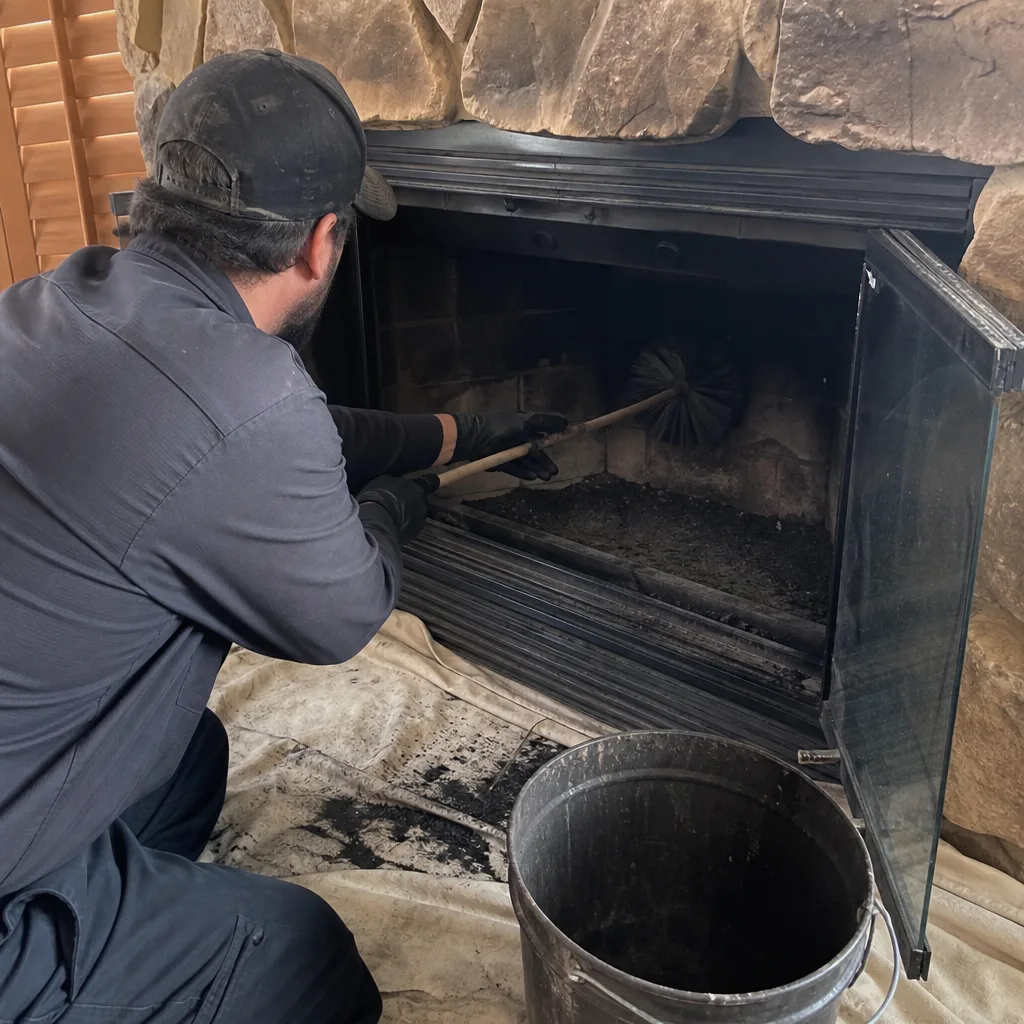
After the work is done, you should receive documentation that functions as a record for your home file, your insurance company, and any future buyer. Here’s what it contains and why each element matters.
The Photo Record
Every image should be keyed to a finding: “Photo 3: 3/8″ gap between flue tiles at 12 feet, heat-visible to camera.” Not: “crack in flue.” The photo should include a reference point (depth marker, time stamp, or measurement) that prevents dispute about when and where it was taken. At Level Two Chimney Thousand Oaks, we provide dated, geotagged photos with written annotations on every job under Haven Standard Clause 4.
The Written Summary
This document states what was found, what was done, and what is recommended with urgency indicated. Example format we use:
- Found: Class II glazed creosote, 1/4″ average thickness, flue 8″×12″ clay tile, one hairline crack at 9 feet.
- Done: Mechanical sweep, rotary poly removal of glazed deposits, camera scan from firebox to crown.
- Recommended: Monitor crack annually (can wait); no immediate safety concern. Resweep in 12 months if burning 2+ cords/year.
The critical distinction: “found” versus “recommended.” A legitimate report separates observation from opinion. It tells you what can wait and what cannot. It does not present every finding as urgent.
The Warranty Document
Separate from the summary, with its own terms, duration, and conditions. The 365-Day Done Right Promise we provide is stamped on every job: if it’s not done right, we make it right. Any warranty should name what triggers it, who honors it, and how to invoke it.
The Contract Clause That Protects You From Surprise Costs
Chimney systems hide conditions. A flue that appears sound from the firebox may reveal spalling tile, a deteriorated smoke chamber, or a compromised chimney crown once cleaning exposes the full surface. The contract must address what happens when damage is found after work begins but was not visible during the initial estimate.
The Protective Language
Look for this clause or request it:
“If concealed damage is discovered during the scope of work that was not reasonably detectable during initial inspection, the contractor shall stop work in the affected area, notify the homeowner with photographic evidence, and provide a written supplemental estimate before proceeding. The homeowner may accept the supplemental estimate, decline it and accept work stopped at the point of discovery, or terminate the agreement with payment due only for work completed to that point.”
This clause does three things: it stops the “while we were in there” price escalation, it gives you the evidence to evaluate the claim, and it preserves your right to seek a second opinion. Without it, a technician can discover $1,200 in “necessary” crown repair at 4:30 PM on a Friday and present it as a fait accompli.
In Thousand Oaks, where winter rains accelerate crown and mortar deterioration, seasonal chimney cleaning care makes concealed damage common enough that this clause should be standard. We include it in every written scope under Haven Standard Clause 1: written price, written scope, written warranty before anyone starts. If a contractor will not put this protection in writing, that is information.
Red Flags Specific to the Thousand Oaks Market
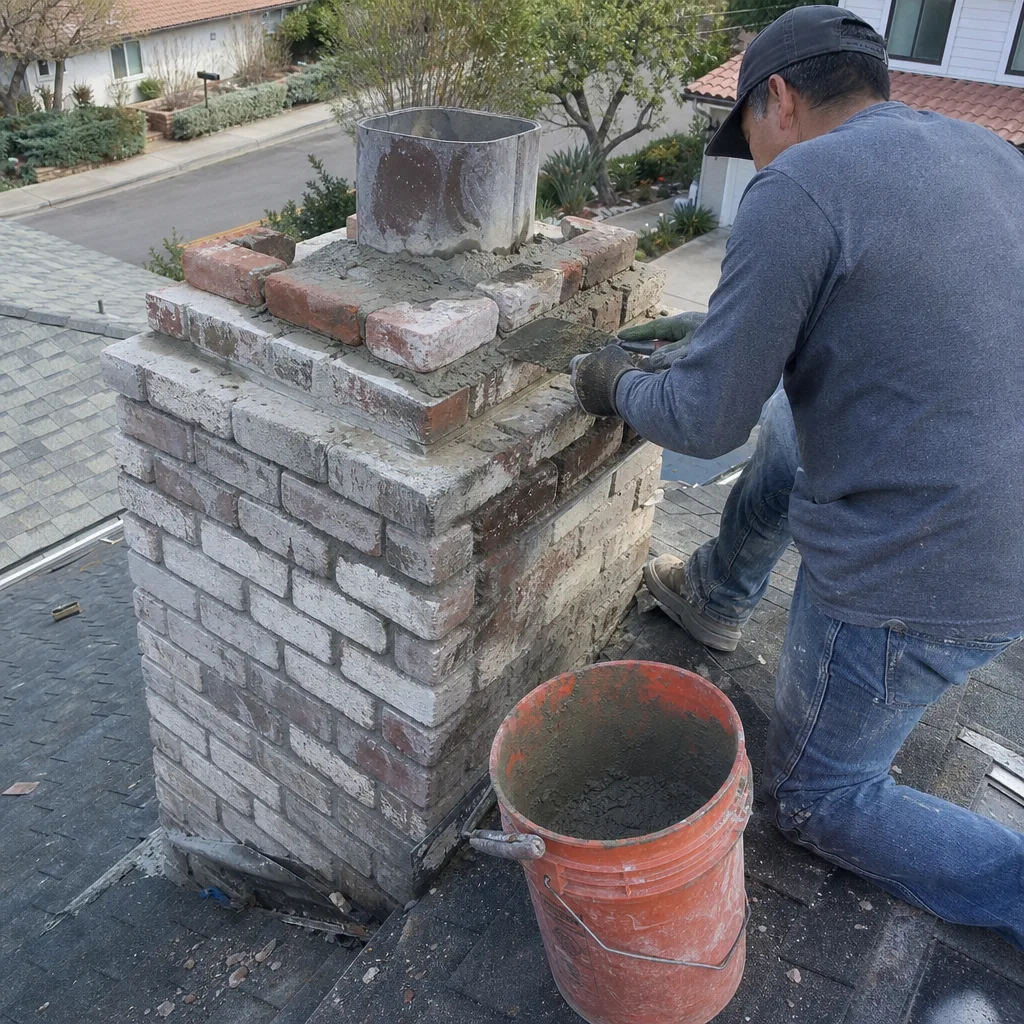
Local market conditions create specific vulnerabilities. Here are the patterns we’ve observed in Ventura County over fifteen years of operation.
The “Free Inspection” That Finds $4,000 in Damage
Legitimate chimney inspection in Thousand Oaks costs $150-$300 for Level 2 service. A “free” inspection is a sales call. The business model requires converting a high percentage of inspections to repair jobs, which creates pressure to find damage whether it exists or requires immediate action.
The Unmarked Truck and Unnamed Technician
Background-checked, uniformed technicians with license information displayed are standard practice. If someone arrives in an unmarked vehicle, will not provide a full name, or cannot produce a company ID with license number, do not allow access. This is particularly relevant in gated communities like North Ranch or Lang Ranch, where service access is controlled and verification should be easier, not harder.
The Seasonal Price That Expires Today
Chimney work has seasonal demand, but legitimate pricing does not evaporate at midnight. A written estimate from Level Two Chimney Thousand Oaks remains valid for 30 days. Pressure to decide before you can review documentation or seek comparison quotes is a sales tactic, not a service practice.
The Manufacturer Badge as Credential
Being a “certified installer” for DuraFlex, HeatShield, or Gelco means the company has purchased training materials and met volume thresholds. It does not mean the individual technician performing your work has been trained or evaluated. Verify the technician’s personal certifications separately.
The Permit Evasion
Ventura County requires permits for chimney liner installation, structural repair, and any modification to a masonry fireplace. A contractor who suggests “we can skip the permit to save you money” is exposing you to code violations, insurance denial, and liability for future owners - see our overview of Chimney Cleaning Permits, Codes & Inspections in CA for what proper compliance looks like. The permit is your protection that work was inspected by an independent party.
What Chimney Cleaning Costs in Thousand Oaks
Price transparency is a screening tool. A contractor who will not name a range before seeing your chimney is either inexperienced or preparing to adjust based on your address. Our Chimney Cleaning Cost Breakdown: The Thousand Oaks Homeowner’s Reference for 2026 details the actual ranges for 2024-2025, based on service type and home characteristics.
| Service | Price Range | What Affects Cost |
|---|---|---|
| Level 1 chimney sweep and visual inspection | $129-$189 | Single-story vs. two-story; ease of roof access; amount of creosote buildup |
| Level 2 sweep with camera inspection | $189-$299 | Flue length and configuration; number of appliances served; documentation format provided |
| Class III glazed creosote removal | $299-$450 | Thickness of deposit; chemical treatment required; number of flues |
| Chimney cap installation (standard stainless) | $350-$650 | Flue count; cap style; existing damper condition |
| Crown repair (minor crack sealing) | $400-$800 | Crown size; accessibility; whether resurfacing or rebuild is needed |
| Flue liner installation (stainless, single flue) | $2,800-$4,500 | Liner diameter and length; insulation requirements; permit and inspection fees |
These ranges reflect Thousand Oaks specifically: higher labor costs than inland Ventura County, steeper average roof pitches in hillside neighborhoods like Conejo Oaks and Monte Nido, and material sourcing through regional distributors. A quote significantly below these ranges suggests corners being cut on inspection depth, documentation, or technician certification. A quote significantly above requires detailed line-item justification.
We provide written estimates in this range before any work begins, with no “diagnostic fee” structure. For Chimney Repair in Thousand Oaks or liner installation, the estimate includes permit costs and specifies materials by brand and grade.
Common Mistakes to Avoid
- Hiring based on review count alone. A 4.9-star average with 400 reviews tells you the company is good at generating reviews, not necessarily at chimney work. Read the three-star reviews specifically - they often contain the most specific information about communication, cleanup, and whether documentation was provided.
- Assuming all “inspections” are equal. The word appears on every website, but the practice ranges from a flashlight glance to a full NFPA 211 Level 2 camera scan. Ask for the standard by name.
- Neglecting to verify insurance specifically names chimney work. General liability exclusions for work at height or with combustion systems are common. The certificate should name chimney sweeping, repair, or installation explicitly.
- Accepting verbal pricing for anything beyond basic sweeping. A written price before work starts is non-negotiable for repair or liner work. Verbal estimates are unenforceable and often “evolve” once work begins.
- Skipping the post-service documentation review. The photo record and written summary are your evidence if problems emerge later. File them with your home records, not in the recycling bin.
- Waiting until October to schedule. Thousand Oaks chimney contractors experience peak demand from October through January. Scheduling in spring or summer secures better appointment availability and often better pricing, with no compromise in service quality.
When to Call a Professional
Call a chimney professional when you observe any of the following: visible creosote flakes in the firebox, smoke entering the room during operation, a persistent odor from the fireplace in warm weather, or any structural damage to the chimney exterior after winter rains. In Thousand Oaks, where Santa Ana winds drive embers and the wildland-urban interface creates heightened fire awareness, an annual inspection is prudent even for infrequently used fireplaces - debris, animal nesting, and moisture damage occur regardless of burn frequency.
Level Two Chimney Thousand Oaks offers free estimates in Thousand Oaks. Call (424) 786-6130 to schedule a Level 2 camera inspection with written scope and pricing before any work begins. Our technicians are background-checked, uniformed, and assigned by name, with a text notification when en route to your home.
Frequently Asked Questions
A Level 2 chimney sweep with camera inspection in Thousand Oaks typically costs $189-$299 for a standard single-flue system. Class III glazed creosote removal, common in homes that burn unseasoned oak or burn infrequently, runs $299-$450. Call (424) 786-6130 for an exact quote - estimates are free and include written scope and pricing before any work begins.
You need a new liner when the existing one is damaged, improperly sized for your appliance, or absent entirely - conditions documented by camera inspection, not assumed. In Thousand Oaks homes built 1960-1990 with original clay tile liners, cracking and mortar loss are common but not universal. A legitimate contractor shows you the camera evidence, explains the NFPA 211 requirement for a continuous, properly sized flue, and indicates whether the condition is immediately hazardous or monitorable. Nothing should be recommended without photo documentation you can see for yourself.
The NFPA 211 standard calls for annual inspection, with sweeping frequency determined by use and fuel type. A gas fireplace used occasionally may need only inspection; a wood-burning system consuming two or more cords of seasoned hardwood per year typically requires annual sweeping. Thousand Oaks’ mild climate means some homeowners burn only during December-February, but the Mediterranean wet-dry cycle still degrades exterior masonry and allows animal nesting in unused flues. Annual inspection catches these non-use issues.
Skipped maintenance leads to three cumulative risks: creosote accumulation increases chimney fire probability; moisture intrusion degrades liner and masonry, eventually requiring rebuild rather than repair; and blocked or damaged flues can vent carbon monoxide into living spaces. The cost progression is predictable - a $250 sweep becomes a $600 crown repair becomes a $3,500 liner installation becomes a $12,000 chimney rebuild. The inspection that catches deterioration early is the least expensive service we provide.
Level 1 is a visual examination of readily accessible portions of the chimney exterior and interior, appropriate for annual maintenance of systems with no changes and no known problems. Level 2 adds a camera scan of the flue interior, inspection of attics and crawl spaces where accessible, and evaluation of clearances to combustibles - required for real estate transactions, new appliance installations, and any suspected damage or operating problem. In our practice, Level 2 is the default because the flue interior is not visible any other way.
Mechanical sweeping of a straightforward masonry fireplace with minimal creosote is physically possible for a homeowner with proper brushes, rods, and personal protective equipment. However, evaluating liner condition, detecting hidden damage, and identifying combustion safety issues require training and camera equipment. For Fireplace Services in Thousand Oaks involving gas inserts, pellet stoves, or any system with a metal chimney, we recommend professional service - incorrect reassembly creates fire and carbon monoxide hazards that override any cost savings.
The Bottom Line
Hiring a chimney contractor in Thousand Oaks is a vetting problem, not a search problem. The companies are easy to find; the practices that separate legitimate service from predatory sales are not visible on any review platform. Verify three credentials personally. Demand a written estimate with line-item scope, warranty terms, and protective language for concealed damage. Confirm camera inspection is default, not upsell. Review the post-service documentation before payment. These steps take thirty minutes and protect you from the most common scam in this trade: real photos of real conditions presented without the context to evaluate whether action is necessary or optional.
Written by Corrine Halstead, Owner at Level Two Chimney Thousand Oaks, serving Thousand Oaks since 2009.