
Last updated September 21, 2026
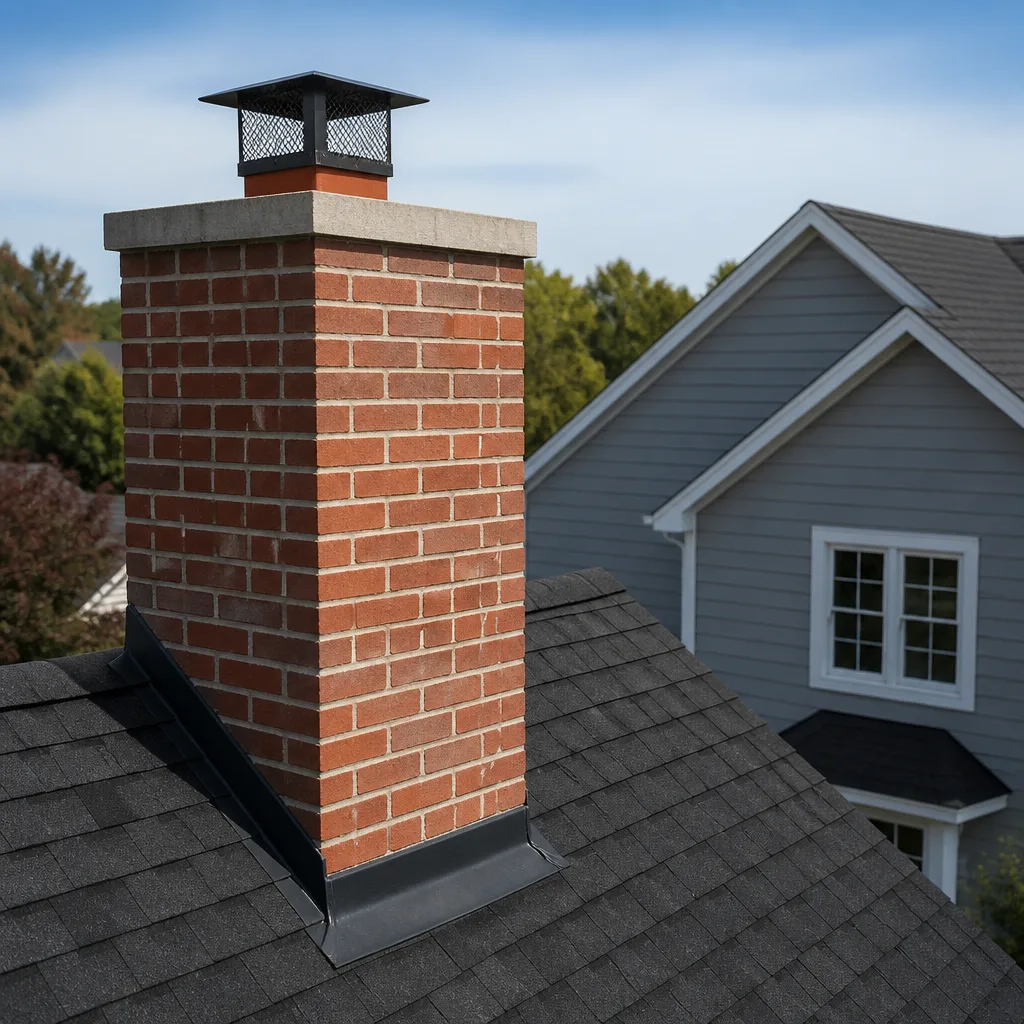
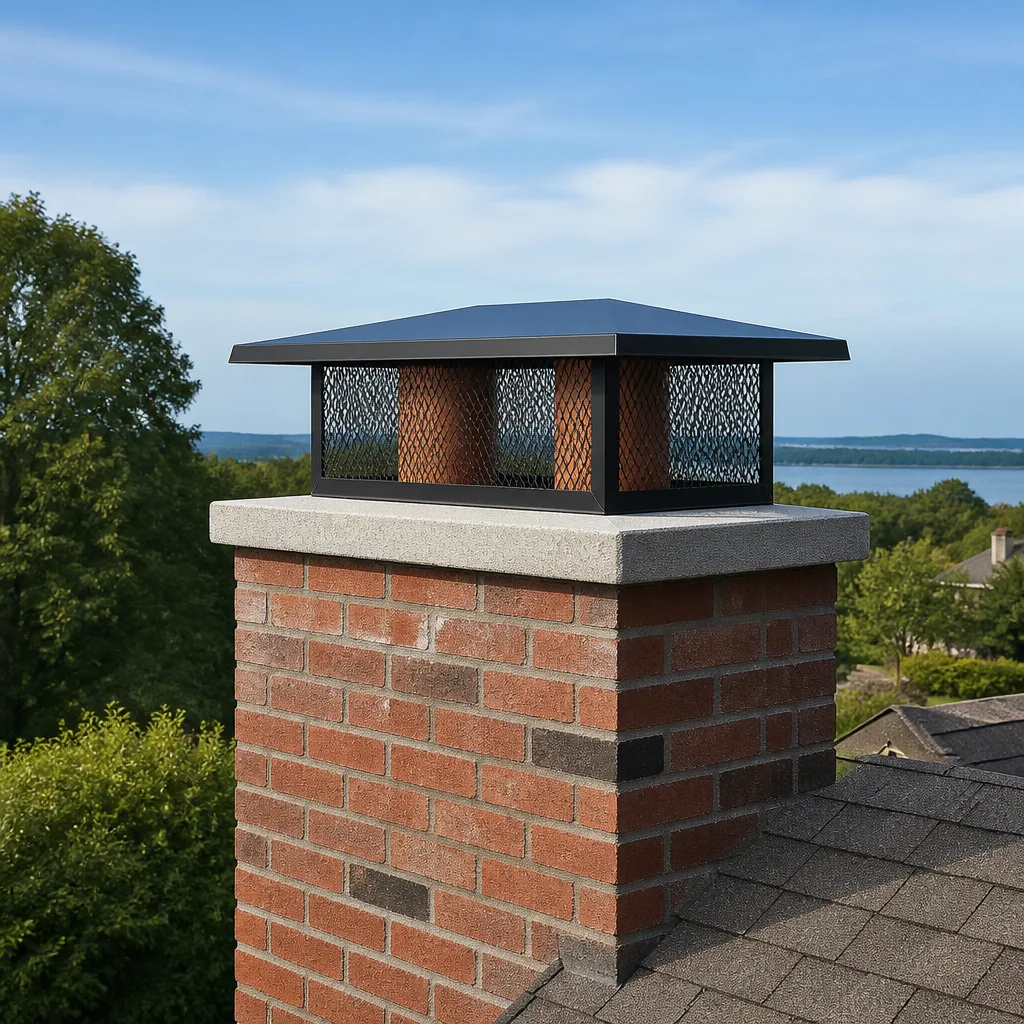
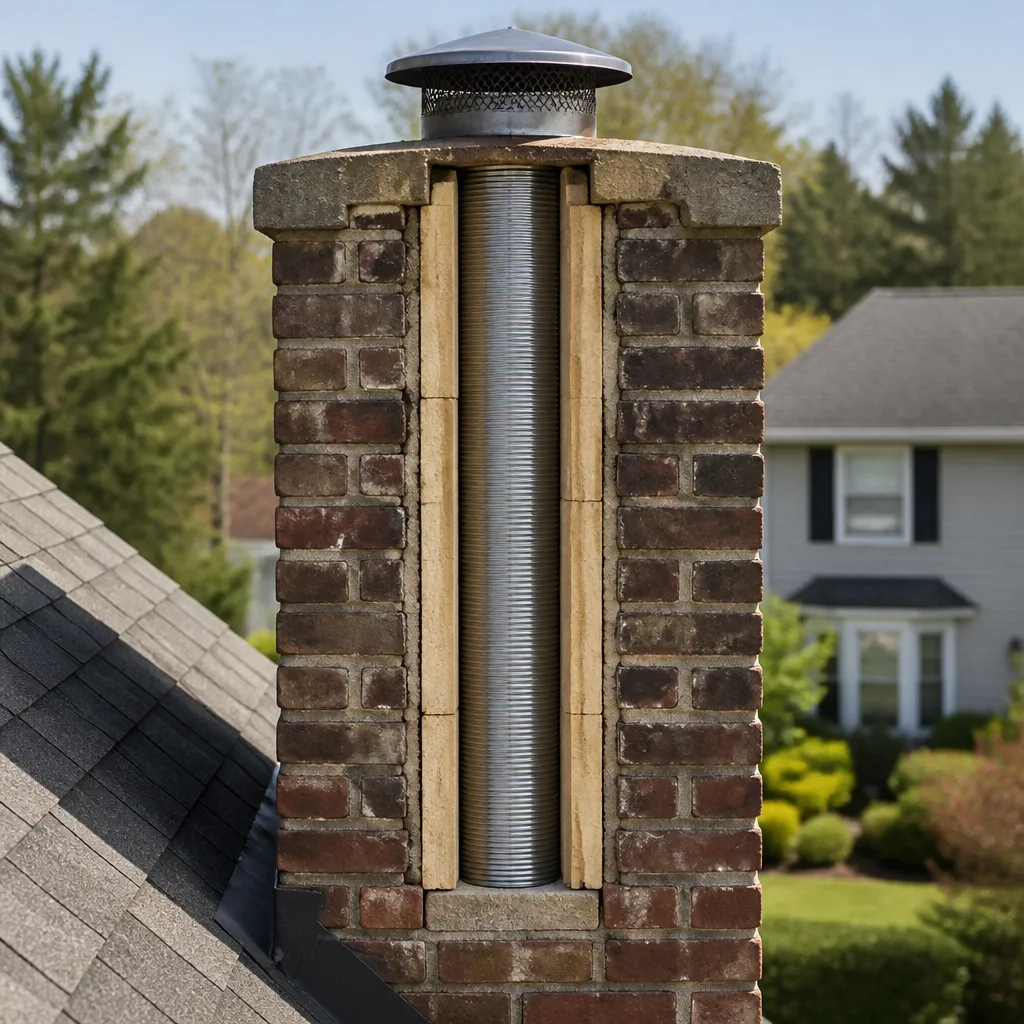
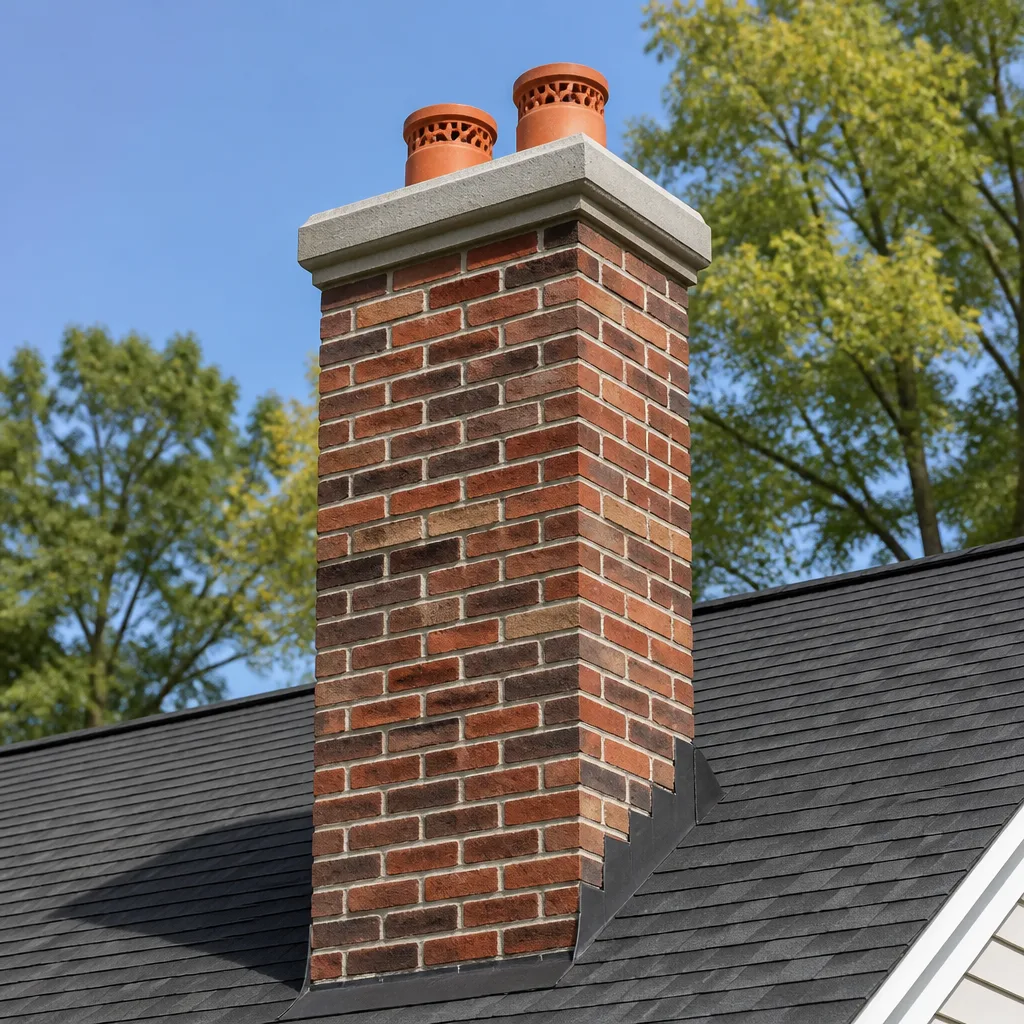
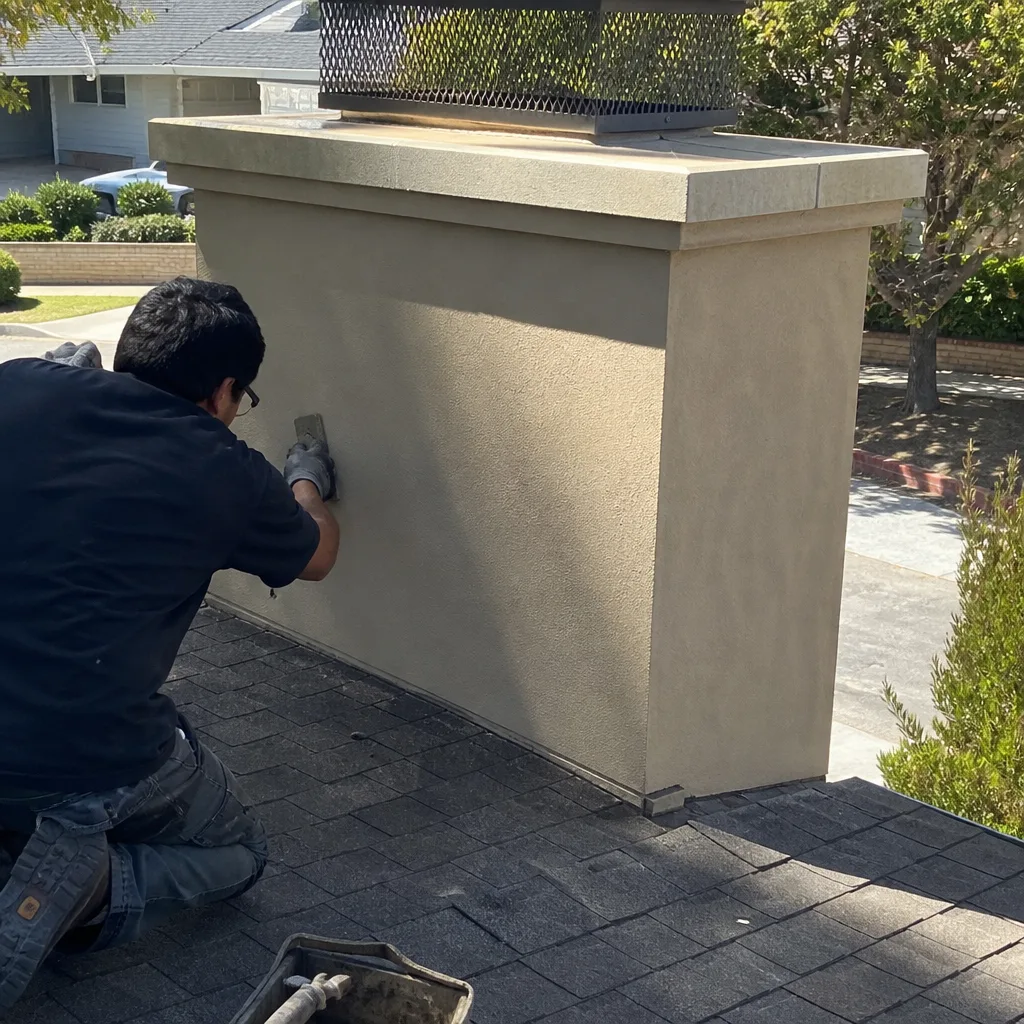
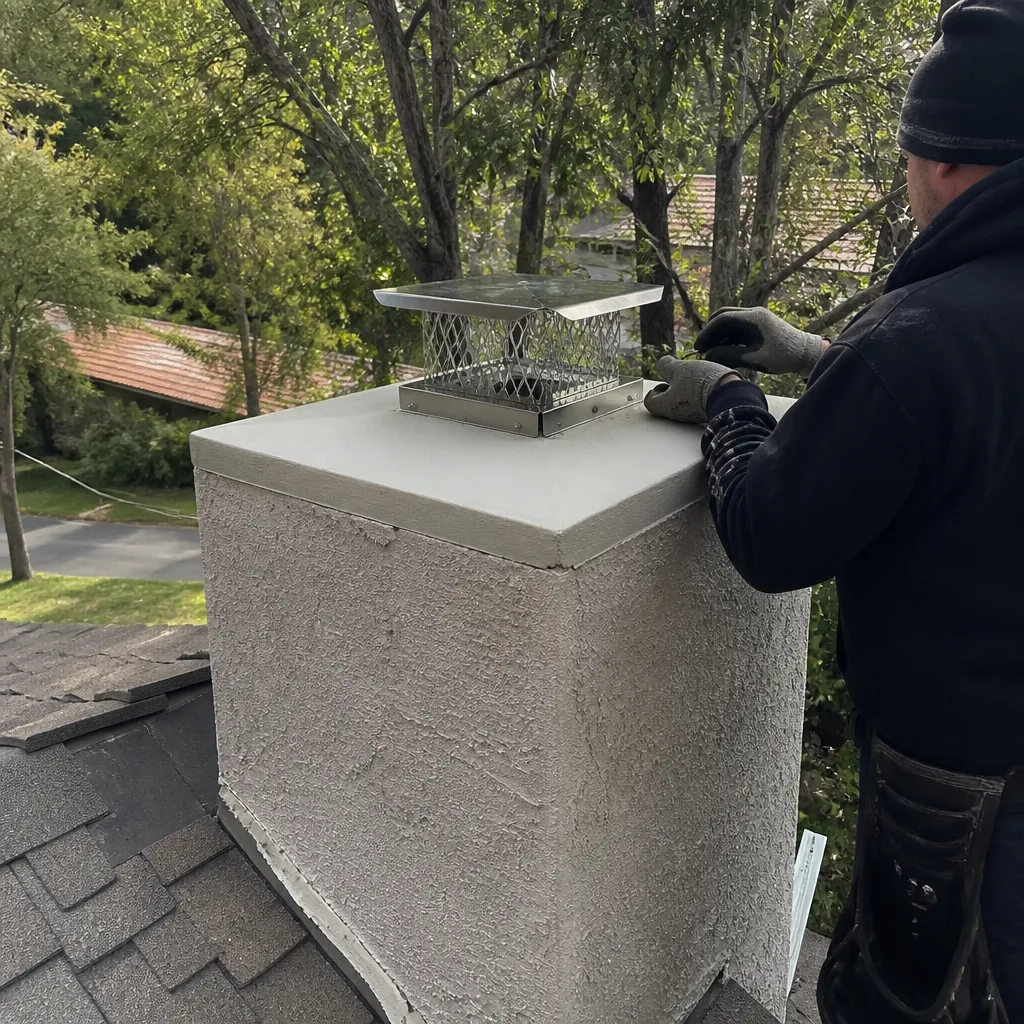
Level 1 sweep and inspection to the NFPA 211 annual standard - flue, crown, cap, and flashing checked and photographed
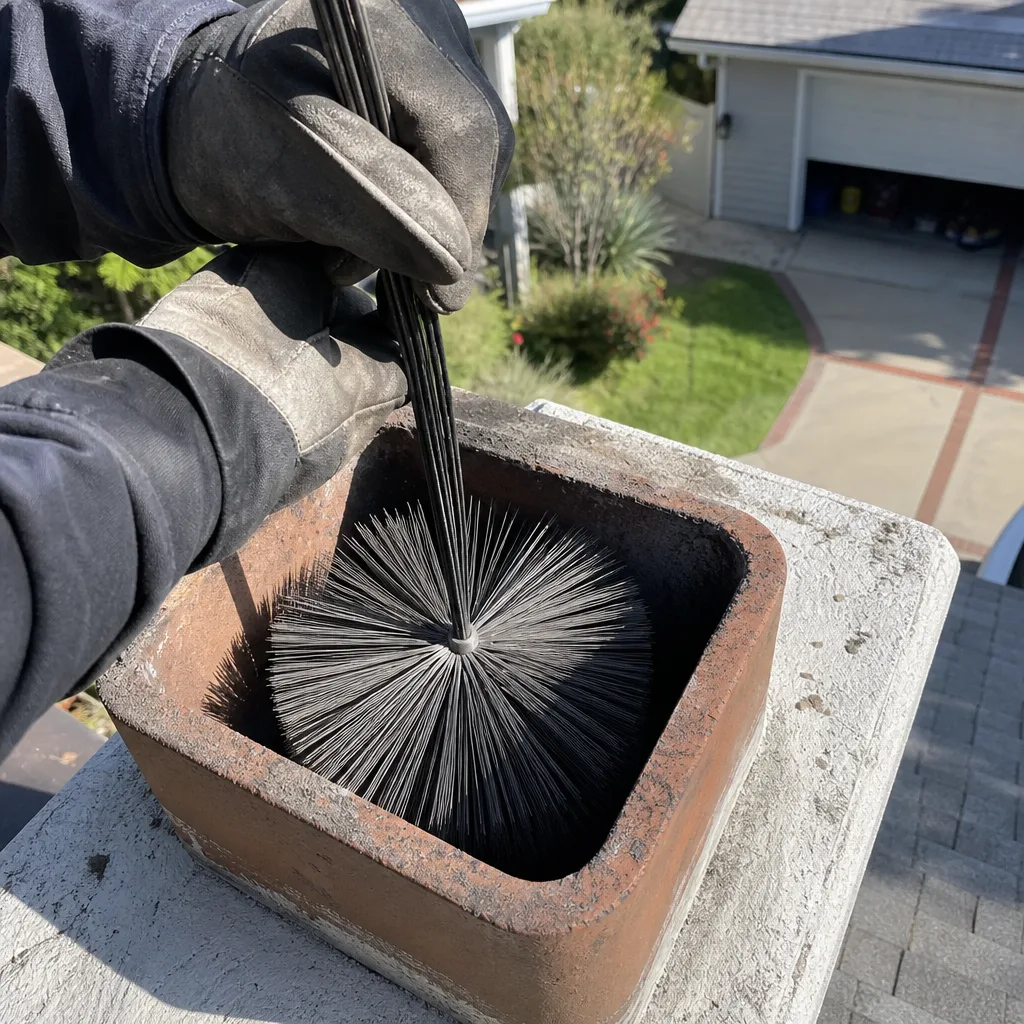
Chimney sweep logs do not sweep chimneys. They loosen some creosote - which then falls where a brush and vacuum still have to collect it.
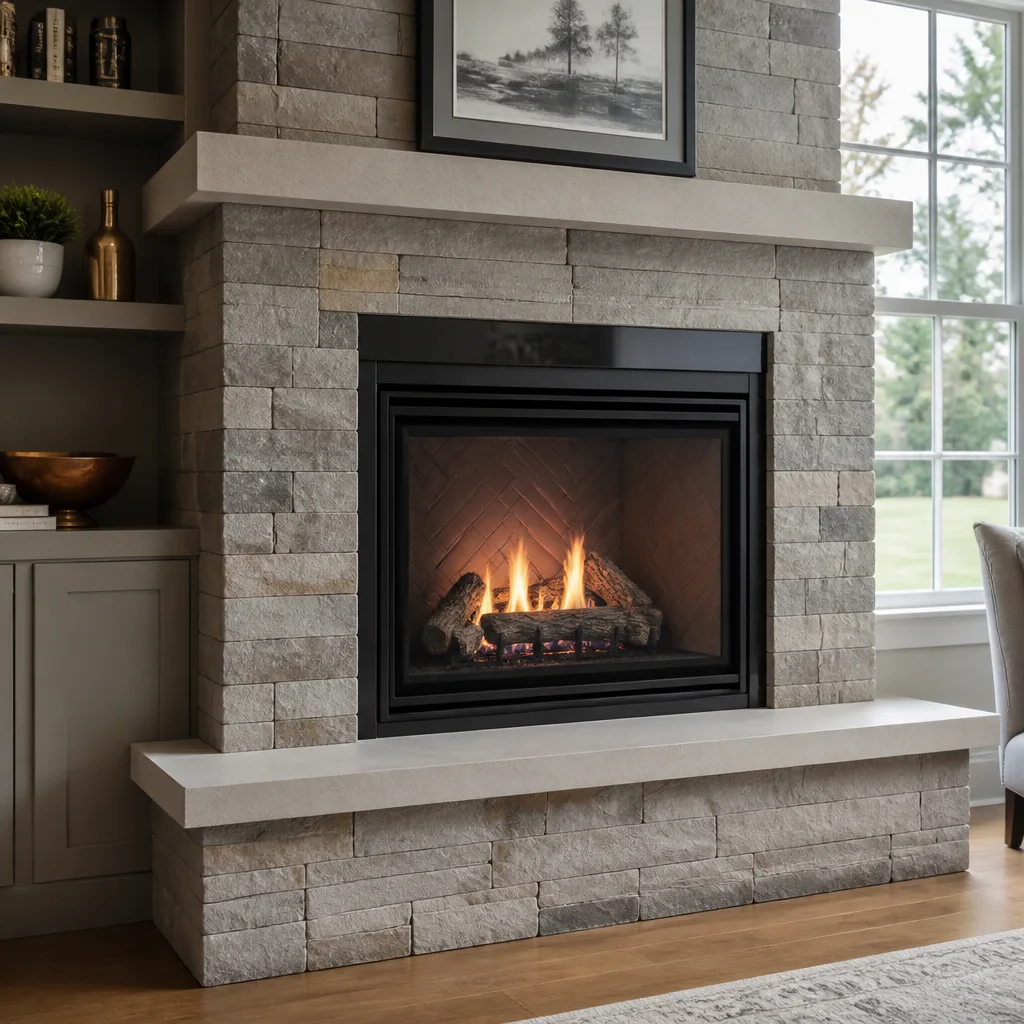
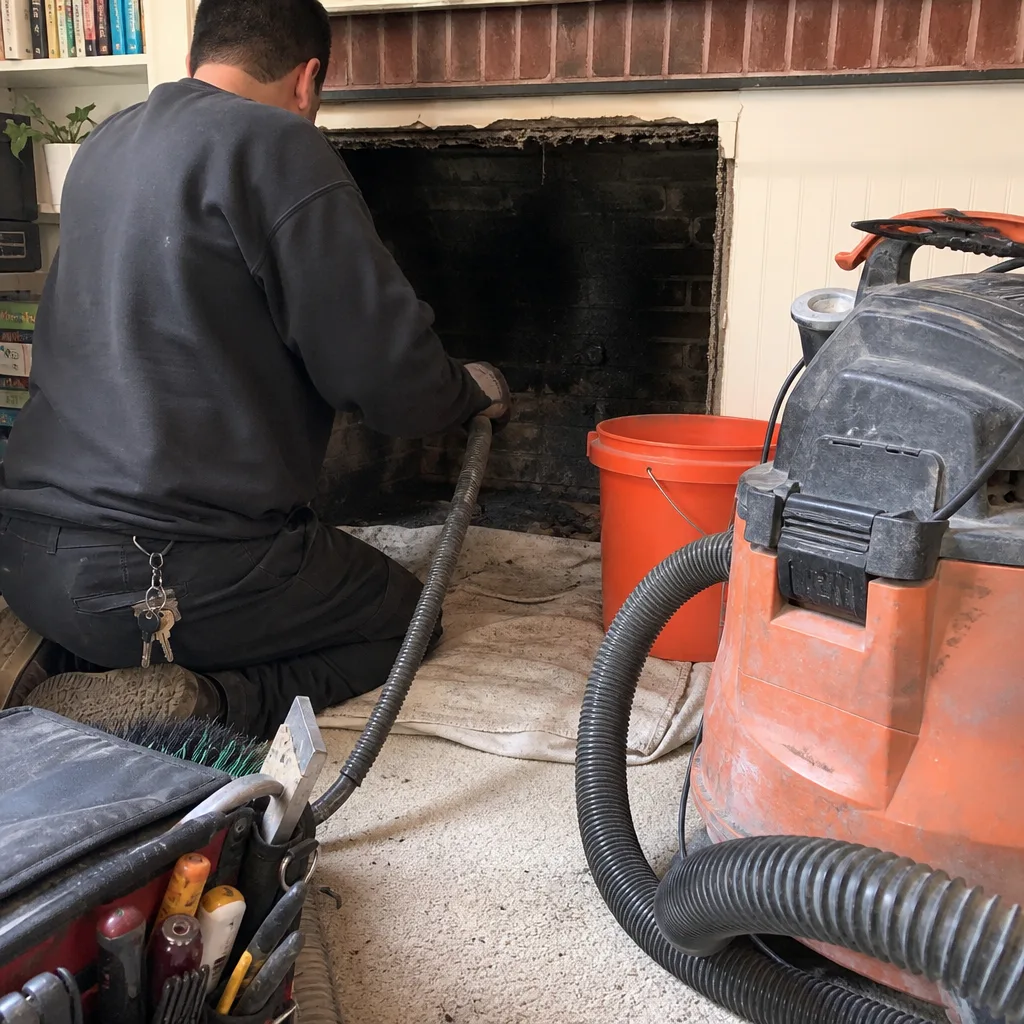 Before
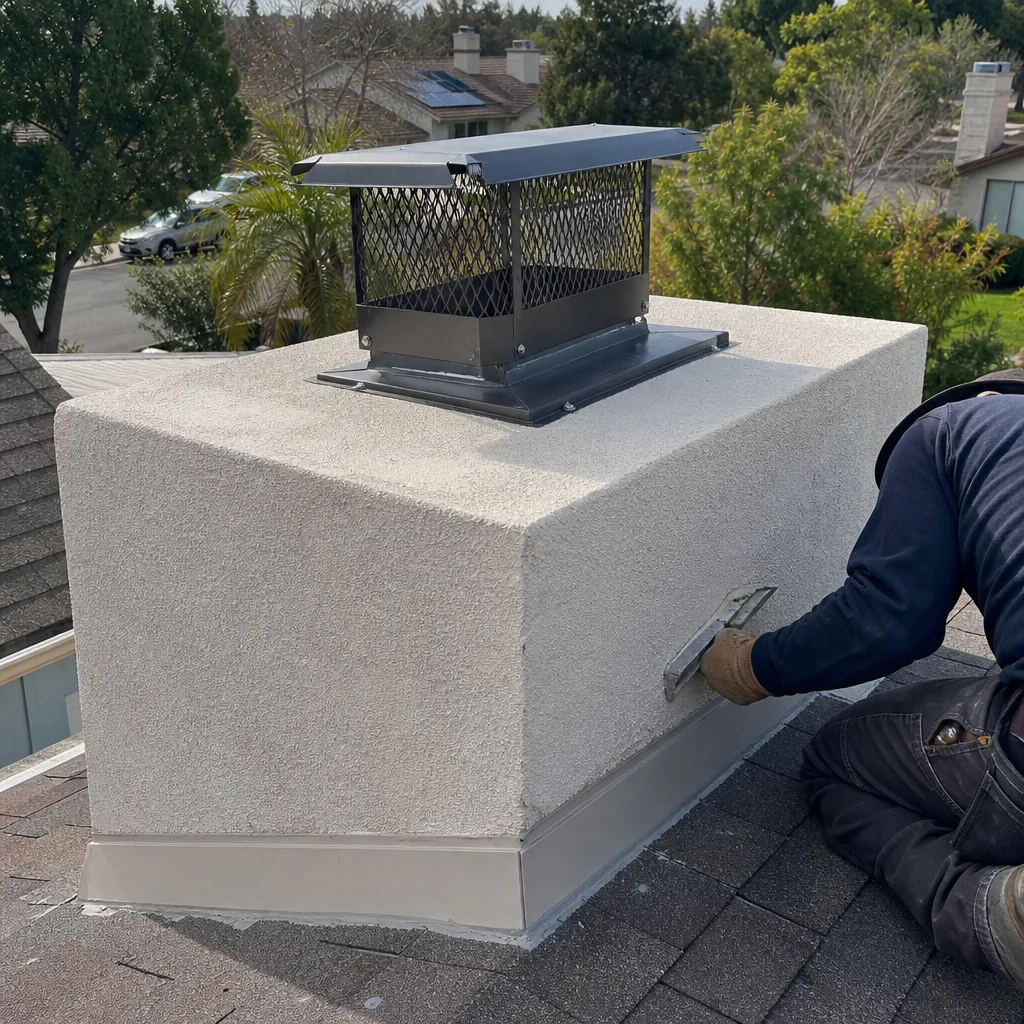 After
After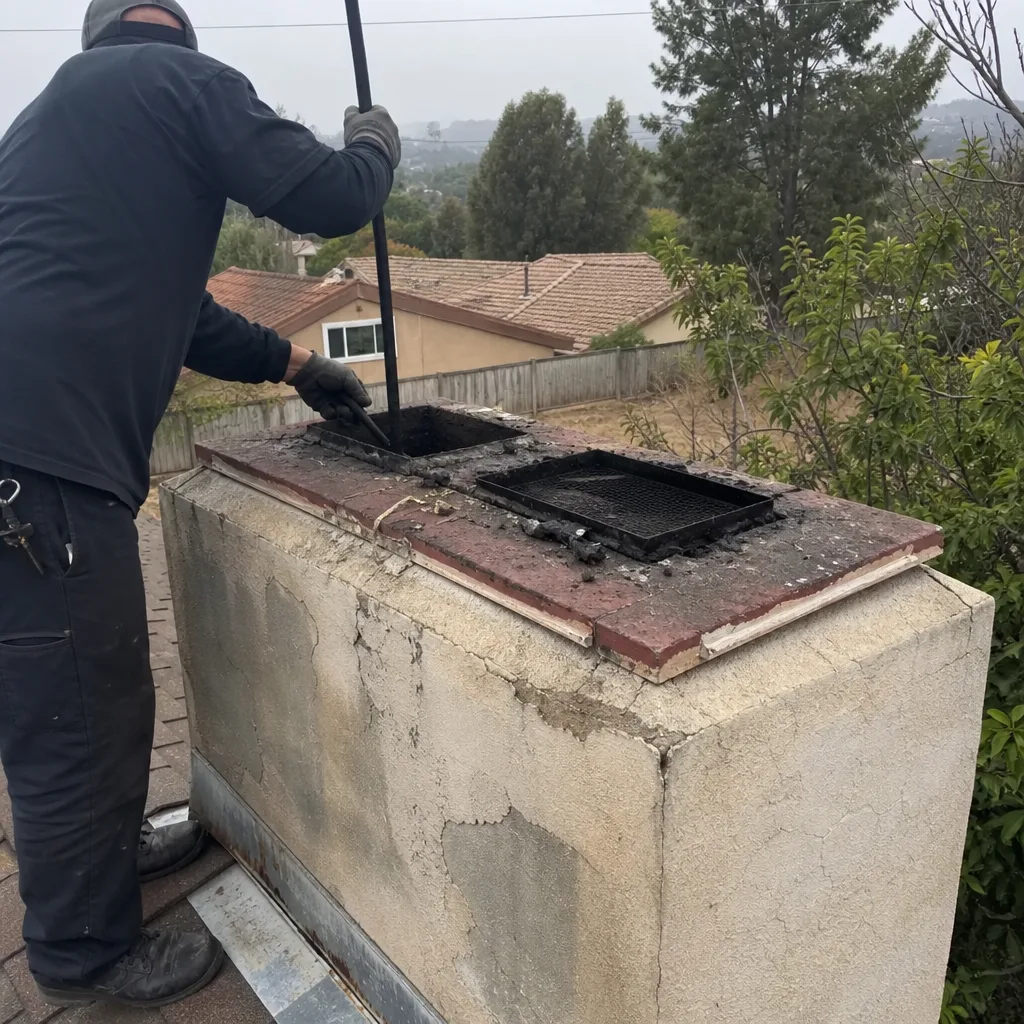 Before
 After
After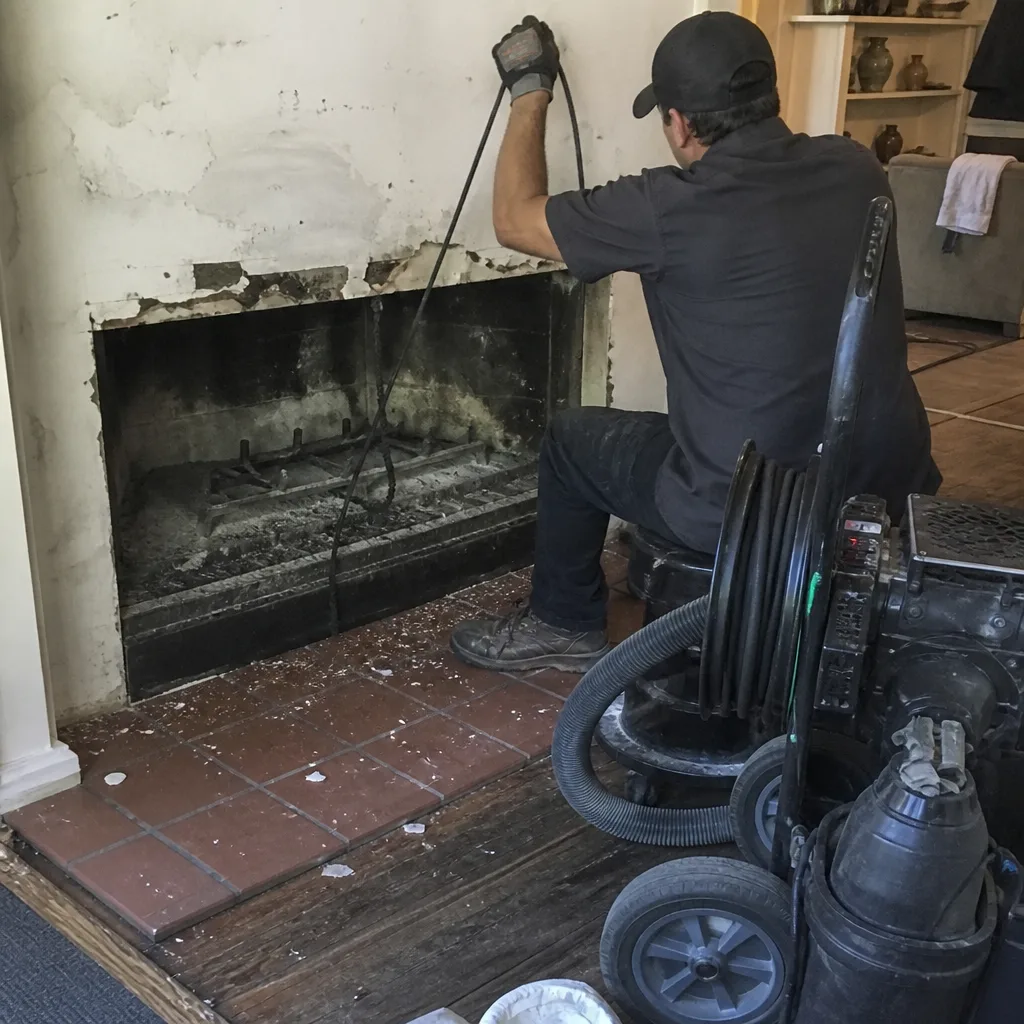 Before
 After
AfterSeasonal Chimney Cleaning Care for Thousand Oaks: Year-Round Homeowner’s Guide
The standard advice says schedule your chimney sweep every fall. In Thousand Oaks, that’s the worst week to try. Fall here is fire season, which means every sweep company from Ventura to Calabasas is already booked solid with homeowners who waited until the first cold night. Meanwhile, the chimneys that sat uncleaned through our dry, baking summers accumulated moisture damage, pest debris, and degraded mortar that a simple sweep won’t fix. This guide maps the actual Southern California chimney calendar: the two windows that matter, the two that most homeowners waste, and what to do in each so you’re not competing for the same November appointment as everyone else on your block.
Quick Answer
Thousand Oaks homeowners should schedule chimney cleaning in April-May (post-fire-season inspection and sweep) or August-early September (pre-season booking before the rush). Skip the November scramble entirely. A camera-scan inspection under NFPA 211 Level 2 standards, with documented photo record, should happen at least once per year regardless of use frequency. See Chimney Cleaning Permits, Codes & Inspections in CA: What You Need to Know for regulatory context.
Table of Contents
- Why “Fall Cleaning” Advice Fails in Thousand Oaks
- The Thousand Oaks Fire-Season Calendar: When Demand Actually Spikes
- Spring Post-Season Inspection: What the Camera Finds After a Southern California Winter
- What Happens to an Uncleaned Chimney During a Thousand Oaks Summer
- Santa Ana Wind Events: Chimney Risks Most Homeowners Miss
- Month-by-Month Action Calendar for Thousand Oaks Homeowners
- What Level Two Inspection Actually Finds (and Documents)
- Common Mistakes to Avoid
- When to Call a Professional
- Frequently Asked Questions
 Before
 After
AfterWhy “Fall Cleaning” Advice Fails in Thousand Oaks
Most chimney care content is written for climates with four distinct seasons and hard winters. Chicago. Boston. Minneapolis. Those markets have a predictable pattern: summer shutdown, autumn prep, winter burn, spring shutdown. The advice travels well because it’s simple and sounds authoritative.
Thousand Oaks doesn’t work that way. Our heating degree days are a fraction of the national average. A “heavy use” winter here might mean forty evenings with the fireplace running, not four months of daily heating. Our fire season runs October through March, overlapping exactly with the months when national advice says to schedule. And our summer dry season, when chimneys sit idle, creates its own damage profile that cold-climate writers never address.
The result: Thousand Oaks homeowners who follow standard advice call in November and get quoted three-week waits, premium scheduling fees, or rushed appointments from techs working six jobs a day. The smart money books in April or August, when companies have open calendars and technicians have time to do the camera scan properly.
We’ve seen this pattern since 2009. The homeowners who call us in early September get their choice of appointment times, a thorough NFPA 211 Level 2 inspection with full photo documentation, and a written price before any work starts under Clause 1 of the Haven Standard. The ones who wait until Thanksgiving week are often burning their first fire before we can get there.
Chimney Cleaning & Sweep in Thousand Oaks follows a different rhythm than national averages suggest. Understanding that rhythm saves time, money, and the anxiety of an uninspected first fire.
The Thousand Oaks Fire-Season Calendar: When Demand Actually Spikes
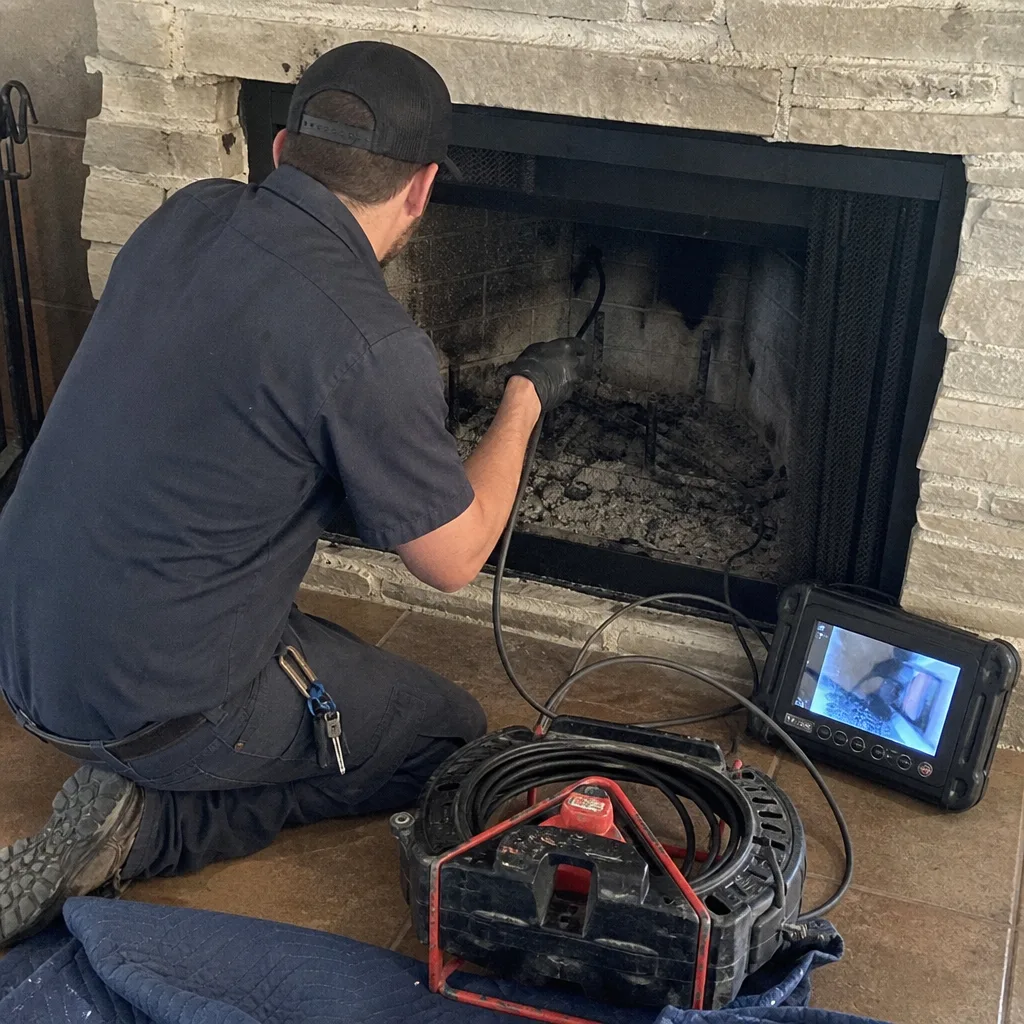
Chimney service demand in Thousand Oaks doesn’t follow a smooth curve. It spikes in three distinct periods, each with different causes and consequences for scheduling.
October 15 - November 15: The first Santa Ana wind event plus the first temperature drop below 55°F triggers a flood of calls. This is the worst window to book. Wait times stretch to 2-3 weeks at most companies. Rush fees appear. Technicians are overbooked and under pressure. We don’t charge rush fees, but we also can’t manufacture appointment slots that don’t exist.
December 15 - January 10: Holiday hosting drives second wave. Homeowners who’ve been putting it off realize guests are coming. This period overlaps with technician vacation schedules. Quality suffers industry-wide when companies pull untrained help to cover demand.
February - March: Late-season callers who got through winter on luck finally decide to act. By this point, any damage from winter use has been cycling through wet and dry periods for months.
The inverse is also true: demand flatlines in specific windows. April through early June is the lowest-demand period of the year. August, before the October rush, is nearly as quiet. These are the windows when your technician has time to run the camera slowly, document thoroughly, and explain findings without watching the clock.
Our Level Two Chimney Thousand Oaks home page tracks current availability, but the annual pattern hasn’t changed in fifteen years. The homeowners who plan around it get better service at standard rates.
Spring Post-Season Inspection: What the Camera Finds After a Southern California Winter
A “light use” winter in Thousand Oaks still produces specific, predictable findings that differ from heavy-use climates. Understanding what the camera typically reveals helps homeowners interpret their own inspection reports and decide what needs immediate action versus what can be monitored.
Common post-season findings in Thousand Oaks:
- Class I creosote with localized Class II glazing: Light, flaky deposits in the main flue with harder, tar-like accumulation at the smoke chamber junction and any flue offset. In heavy-use climates, Class III glazed creosote is common; here, it’s usually limited to homeowners who burn unseasoned wood or run their fireplace as primary heat.
- Smoke chamber parge coat deterioration: The sloped area above the firebox, where flames and heat concentrate, often shows cracked or missing refractory coating. This is fire-risk territory but frequently missed in flashlight-only inspections.
- Cap and crown debris from Santa Ana events: Wind-driven sand, leaf litter, and occasionally roof shingle granules accumulate on the crown and in the flue opening. The camera catches this at the top of the scan; a ground-level look misses it entirely.
- Minimal water damage compared to wet climates: Our dry winters mean less freeze-thaw spalling than Midwest chimneys see. But summer is coming, and untreated minor cracks will widen through moisture cycling.
The critical difference: in a heavy-use climate, spring inspection often reveals urgent, use-related damage. In Thousand Oaks, spring inspection more often reveals developing conditions that will become urgent if left through summer. The camera documentation from a spring visit becomes the baseline for comparing next year’s findings. Clause 4 of the Haven Standard requires this photo record on every job, and we’ve maintained that archive since 2009. A homeowner with three years of documented scans can spot deterioration trends that a single visit misses.
For Fireplace Services in Thousand Oaks, the post-season window is when we recommend addressing smoke chamber issues, firebox refractory repairs, and gas log set maintenance before the summer shutdown.
What Happens to an Uncleaned Chimney During a Thousand Oaks Summer
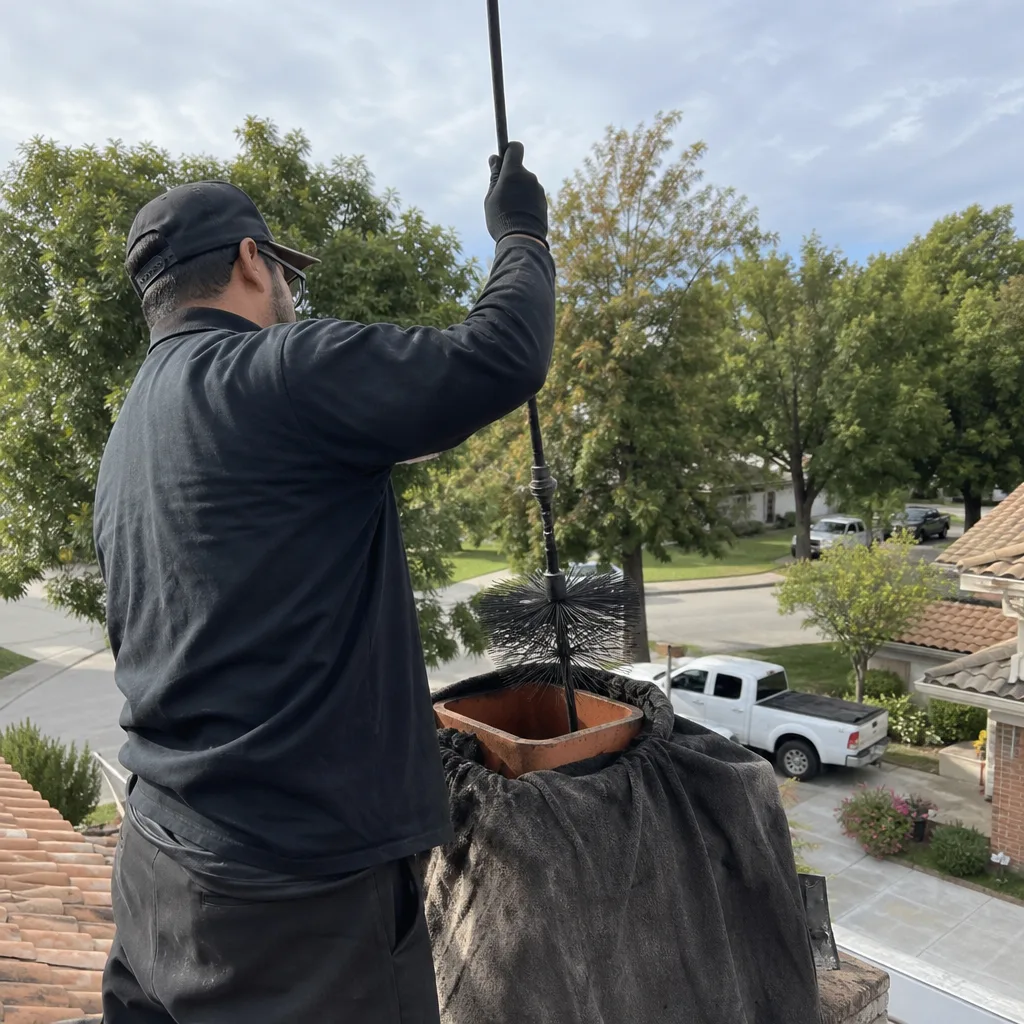
This is the section most chimney guides skip entirely. Written for four-season climates, they assume summer is a neutral storage period. In Thousand Oaks, summer is active degradation time for an uncleaned, uninspected chimney system.
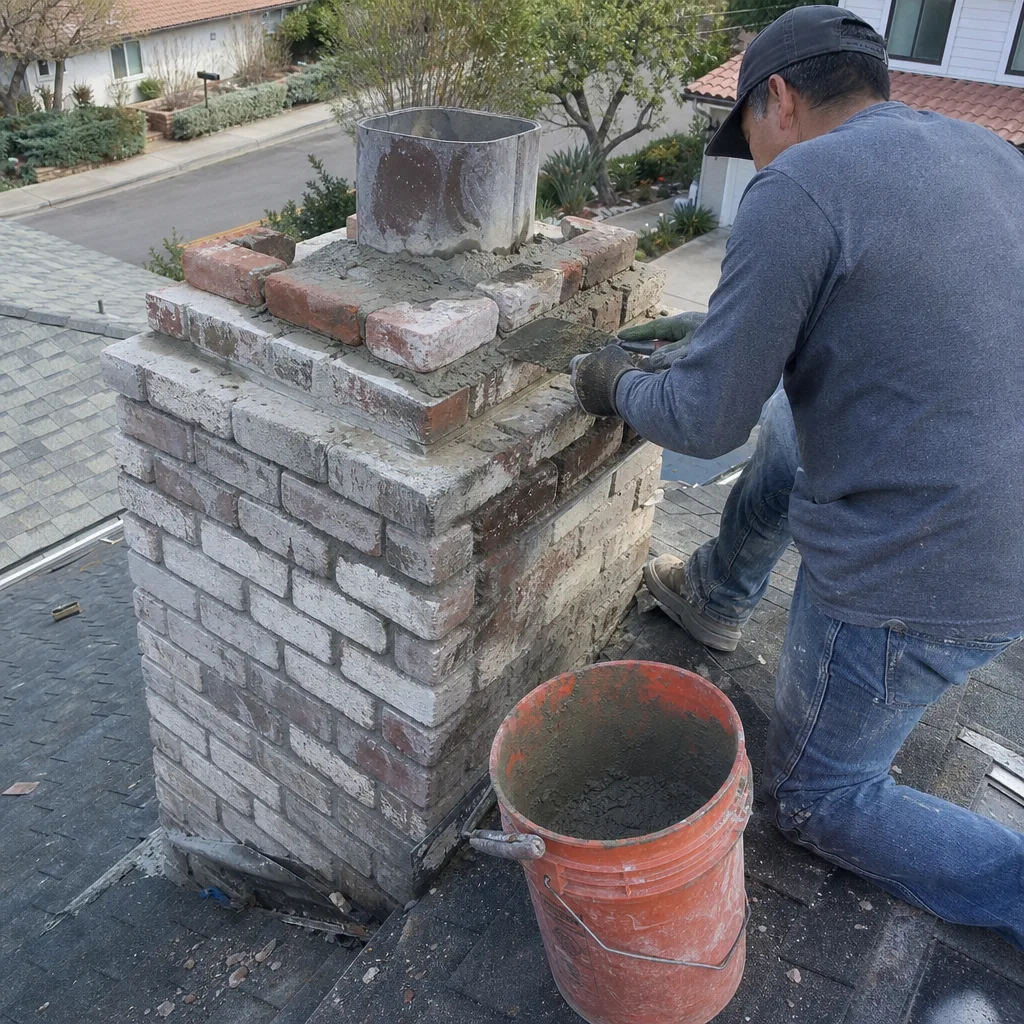
Moisture cycling from marine layer intrusion: Our June Gloom and persistent morning marine layer through July deliver more moisture than many homeowners realize. A chimney with cracked crown mortar or failed flashing absorbs this moisture daily, then bakes it out by afternoon. That cycle, repeated for ninety days, expands hairline cracks into structural separations. We’ve pulled cameras in September that show mortar joints widened by 1/8 inch or more since spring.
Pest entry through uncapped or damaged flues: Swifts, swallows, and occasionally roof rats use chimney flues for nesting from April through August. A clean flue with intact cap and screen is less attractive. A flue with accumulated soot, creosote odor, and existing debris reads as “already occupied” to territorial species. But a damaged cap or missing screen is an open invitation. We’ve removed nests that blocked 60% of flue area, creating both fire hazard and carbon monoxide risk.
Spalling acceleration from salt air: Homes west of the 23 freeway, particularly in neighborhoods like Dos Vientos and Newbury Park adjacent areas, see accelerated brick and mortar degradation from salt-laden onshore flow. This isn’t dramatic failure; it’s the gradual powdering of mortar joints and flaking of brick faces that weakens the structure. A spring inspection catches it early. An autumn-first-fire inspection discovers it when chunks of spalled brick dislodge into the firebox.
Thermal shock vulnerability: A chimney that sat through 100°F+ summer days, then receives a 500°F+ fire in November, experiences thermal stress at every material boundary. Metal flue liners expand at different rates than surrounding masonry. Crowns crack from the differential. This is when deferred maintenance becomes emergency repair.
The practical implication: the chimney you didn’t inspect in spring is not the same chimney you’ll inspect in fall. Summer does active damage in Thousand Oaks. Addressing findings in April-May prevents the accelerated deterioration that makes November repairs more extensive and expensive.
Santa Ana Wind Events: Chimney Risks Most Homeowners Miss
Santa Ana wind events are a defining Thousand Oaks climate feature with specific, under-discussed implications for chimney systems. Most homeowner attention goes to wildfire risk and power shutoffs. The chimney-specific impacts get overlooked until they cause a problem.
Backdrafting and pressure differentials: Santa Ana conditions create strong negative pressure zones on the leeward side of structures. A chimney without adequate height or with a damaged cap can reverse draft, pulling smoke and combustion gases into the home rather than exhausting them. This is most dangerous with gas fireplace inserts, where incomplete combustion produces carbon monoxide without visible smoke to warn you. After any significant Santa Ana event, check for unusual odors, soot traces around the firebox opening, or a smoke smell in rooms above the fireplace.
Debris intrusion and cap damage: Sustained 40-60 mph winds with gusts to 80+ drive sand, gravel, and organic debris into uncapped or poorly capped flues. We’ve found flues partially blocked by wind-deposited material that homeowners assumed was creosote buildup. The difference matters: creosote requires chemical treatment and mechanical removal. Wind debris requires extraction and cap repair. Misdiagnosis leads to unnecessary expense or incomplete remediation.
Physical cap and spark arrestor damage: Metal caps fatigue at attachment points under wind vibration. Mesh spark arrestors tear or detach. A cap that was secure in September can be loose or missing by November, discovered only when the first rain enters the flue or a bird builds a nest in October.
What to check the morning after:
- Visual cap inspection from ground level with binoculars: is the cap present, level, and apparently secure?
- Firebox check for debris or unusual soot patterns that weren’t there before the event.
- Smell test: any combustion odor in the firebox, smoke chamber area, or rooms above when no fire has been lit?
- Damper operation: does it open and close smoothly, or is there grit in the track from wind-borne debris?
If any check produces concern, schedule a camera inspection. Don’t burn until it’s cleared. The NFPA 211 Level 2 inspection we perform includes specific documentation of cap condition, draft performance under normal conditions, and any evidence of pressure-related backdrafting. That documentation becomes evidence for insurance or warranty claims if wind damage is later discovered.
Month-by-Month Action Calendar for Thousand Oaks Homeowners
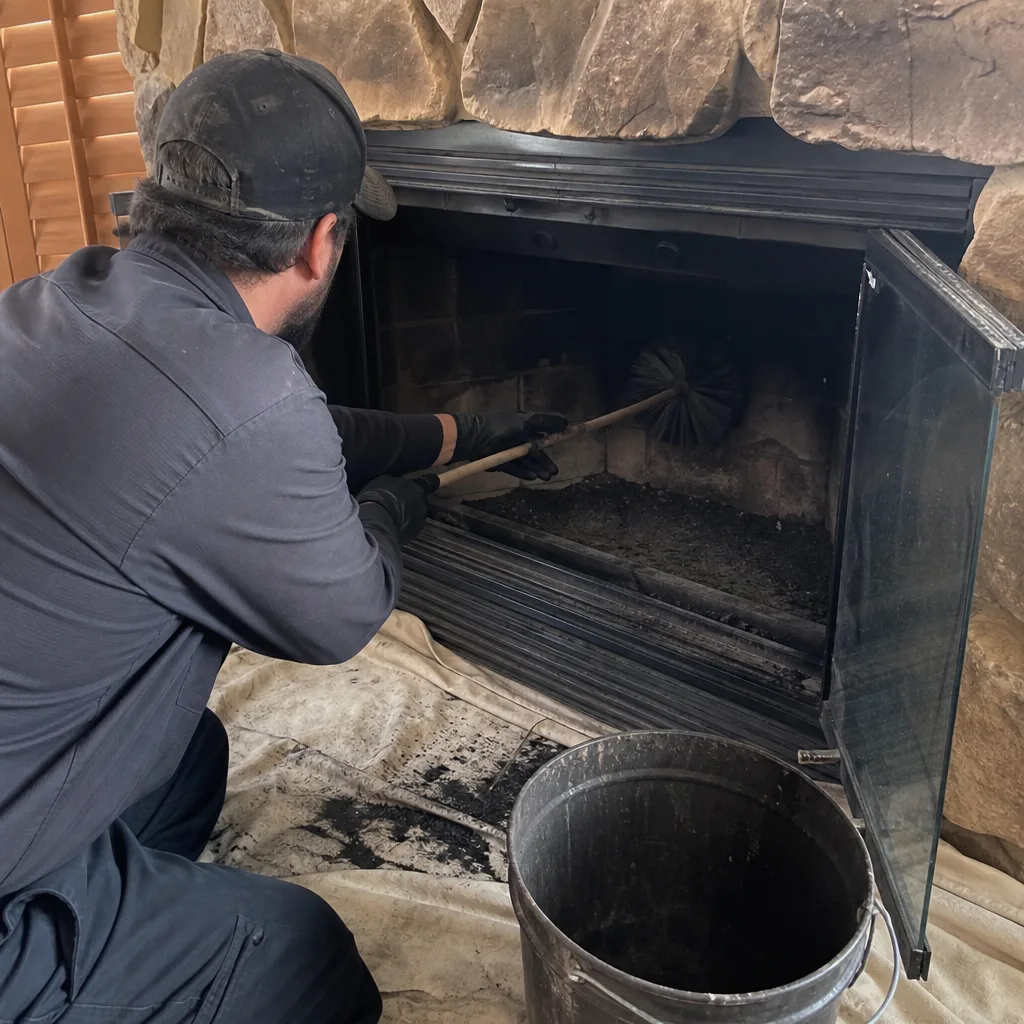
This calendar replaces the generic four-season advice with the actual Southern California rhythm. Use it to plan inspections, schedule sweeps, and budget for maintenance, or explore more guides & resources for year-round chimney care.
January - February
Fire season continues. If you haven’t had a post-season inspection, you’re still in the window where use-related findings are fresh. Schedule if you burned more than twenty fires, if you notice any performance change (smoky startup, longer draft establishment, odors), or if your last inspection was over twelve months ago. Demand is moderate; booking within a week is usually possible.
March - April
Primary booking window opens. This is the ideal time for comprehensive service. Post-season findings are still current. Summer damage hasn’t begun. Companies have capacity. Request NFPA 211 Level 2 inspection with camera scan and documented photo record. Get written scope, written price, and written warranty before any work begins under Haven Standard Clause 1. Address any smoke chamber, firebox, or liner issues now so they don’t degrade through summer.
May - June
Lowest demand of the year. If March-April slipped by, this is your extended window. Marine layer moisture is increasing; if spring inspection revealed crown or flashing concerns, complete repairs before peak moisture cycling. Consider chimney cap upgrade or replacement if Santa Ana damage is anticipated. Materials from Gelco and Olympia Chimney, procured through our Haven buying network, keep pricing transparent.
July - August
Secondary booking window. Pre-season preparation before the October rush. This is when smart homeowners who missed spring get ahead of the crowd. Schedule cleaning and inspection for any chimney that sat through summer without service. Check cap and crown condition after spring wind events. If you’re considering gas log set installation or fireplace upgrade for fall use, book now for September completion.
September - October 14
Last call before demand spikes. Appointments still available at standard scheduling, but calendars are filling. Any deferred maintenance from spring should be complete by now. First Santa Ana event typically arrives mid-October; verify cap condition before it hits.
October 15 - November 30
Avoid if possible. Peak demand, longest waits, highest stress on service quality industry-wide. If you must book now, expect delays and verify that any company you hire performs camera-scan inspection, not flashlight-only. Ask specifically: “Do you run a camera down the flue and provide photos?” If the answer is evasive, keep calling.
December
Holiday emergency territory. We answer calls 24/7, but options are limited for comprehensive service. If you discover a problem now, the choice is often between deferring use and accepting a temporary fix with full service deferred to January. Better to have acted in spring.
What Level Two Inspection Actually Finds (and Documents)
Understanding what distinguishes a proper inspection from a cursory look helps Thousand Oaks homeowners evaluate any service they receive. The NFPA 211 standard defines three levels of inspection. Most homeowners receive Level 1 (visual, accessible areas only) without knowing it’s inadequate for their situation.
Level 1 inspection: Visual examination of readily accessible portions of the chimney exterior, interior, and appliance connection. No tools, no climbing, no camera. Appropriate only when no changes have been made to the system and no problems are suspected. In our experience, this describes almost no Thousand Oaks home built before 2010.
Level 2 inspection: Required upon sale or transfer of property, after chimney fire or operational incident, or when any change is made to the system. Includes Level 1 scope plus accessible portions of attics, crawl spaces, and basements; video scan of internal flue surfaces; and inspection of clearances from combustibles. This is our default on every visit, not an upgrade.
What the camera reveals that eyes cannot:
- Flue liner gaps, cracks, or displacement between sections, invisible from the firebox or roof.
- Class III glazed creosote buildup, which appears as shiny black enamel-like coating that reduces flue diameter and accelerates future accumulation.
- Mortar joint deterioration inside the flue, where heat and acids attack the most vulnerable surfaces.
- Evidence of previous chimney fires: thermal cracking, discolored mortar, distorted metal components.
- Construction defects: unlined flue sections, improper transitions, combustible materials in contact with chimney structure.
Since 2009, Clause 4 of the Haven Standard has required documented photo record on every job. Not a verbal summary. Not a checklist with checkmarks. Timestamped images of findings, delivered to the homeowner with the final invoice. This archive now exceeds 38,000 chimney records. When a homeowner calls with a question about a chimney we serviced three years ago, we pull the images and compare with current findings. That continuity is impossible without documentation discipline.
For Chimney Repair in Thousand Oaks, the camera documentation from inspection becomes the basis for written repair scope and written price. No surprises, no scope expansion after work begins. Haven Standard Clause 1: have it in writing before anyone starts.
Common Mistakes to Avoid
- Booking in November because “that’s when you do chimneys.” In Thousand Oaks, November is the worst month to find quality availability. The homeowners who get thorough service booked in April or August.
- Accepting a flashlight-only inspection. A flashlight from the firebox or roof reveals perhaps 15% of flue surface. The camera reveals 100%. Anything less is guesswork, and guesswork doesn’t belong in fire safety.
- Ignoring the chimney through summer. Our dry heat, marine layer moisture, and pest activity make summer an active damage period, not a neutral storage interval. Spring inspection prevents autumn surprises.
- Burning with a damaged cap after wind events. Santa Ana damage is often invisible from the ground until water enters or a nest blocks the flue. Check after every significant event, or schedule inspection if you’re unsure.
- Assuming low use means low maintenance. Even twenty evenings of fire per winter produce creosote accumulation, and our climate’s moisture cycling damages masonry regardless of use frequency. Annual inspection is the standard for a reason.
- Deferring repairs based on verbal assurance that “it’s probably fine.” Get the camera evidence. Get the written scope. Get the written price. Then decide. Haven Standard Clause 1 exists because “probably fine” has burned houses.
- Choosing by price alone without verifying inspection standard. A $99 sweep with no camera, no documentation, and no written warranty is not comparable to a Level 2 inspection with photo record and 365-Day Done Right Promise. The cheaper option often costs more when undiscovered damage requires emergency repair.
When to Call a Professional
Call for inspection before the first fire of season if it’s been more than twelve months since your last camera-scan evaluation. Call immediately if you notice smoke entering the room on startup, persistent odors when the fireplace is not in use, visible debris or animal activity in the firebox, or any change in performance after a Santa Ana wind event. Call if you’re buying or selling a home in Thousand Oaks, as California property transfer typically triggers Level 2 inspection requirement under NFPA 211. Level Two Chimney Thousand Oaks offers free estimates in Thousand Oaks - call (424) 786-6130. Every estimate includes written scope, written price, and written warranty before any work begins, with background-checked, uniformed technicians and live phone support 24 hours a day.
Frequently Asked Questions
Chimney cleaning and inspection in Thousand Oaks typically ranges from $225 to $395 for a complete NFPA 211 Level 2 service with camera scan and documented photo record. For a detailed look at what drives these numbers, see our Chimney Cleaning Cost Breakdown: The Thousand Oaks Homeowner’s Reference for 2026. The exact price depends on flue configuration (straight versus offset), accessibility, and whether creosote accumulation requires chemical pre-treatment before mechanical removal. We deliver a written price before any work starts under Haven Standard Clause 1; no surprises, no post-work invoice inflation. Call (424) 786-6130 for an exact quote - estimates are free.
You need a new flue liner only if camera inspection reveals damage that compromises safety, and only with photo evidence you can see for yourself. Common indicators include visible cracks or gaps in tile liners, corrosion or separation in metal liners, or unlined flue sections in older construction. In Thousand Oaks, we see accelerated liner deterioration in homes west of the 23 freeway where salt air exposure is highest. We do not recommend liner replacement without camera documentation; our Free Second Opinion on any written estimate lets you verify another company’s recommendation against actual evidence.
NFPA 211 recommends annual inspection for all chimney systems, with cleaning frequency determined by inspection findings rather than calendar alone. In Thousand Oaks, most homeowners with light fireplace use (under 40 fires per season) need cleaning every 1-2 years, while those using gas inserts or fireplaces as primary heat may need annual service. Our climate’s moisture cycling and Santa Ana wind exposure make the annual inspection non-negotiable even for rarely-used systems; damage can occur without combustion.
Skipped maintenance leads to three predictable outcomes: creosote accumulation increases fire risk with each subsequent season; moisture and pest intrusion degrade masonry and liner integrity during idle months; and minor, addressable conditions become major, expensive repairs. In Thousand Oaks specifically, summer moisture cycling through cracked crowns produces spalling and mortar deterioration that a spring inspection would catch. By the time you notice performance problems, the repair scope has typically expanded beyond what preventive service would have required.
Homeowners can and should perform visual checks of cap condition, firebox debris, and damper operation. But internal flue inspection requires specialized camera equipment and training to interpret findings accurately. More importantly, chimney work involves genuine hazards: flue gases including carbon monoxide, structural collapse risk in degraded systems, and fall hazard for roof-level inspection. We recommend professional evaluation for any internal assessment. Our technicians are background-checked, uniformed, and licensed, with license information displayed on every page and a named tech assigned to your appointment.
A sweep removes combustible deposits (creosote, soot, debris) from the flue and firebox. An inspection evaluates system condition, identifies defects, and determines whether the chimney is safe to use. In practice, they usually occur together: we inspect first to document pre-cleaning condition, sweep to remove deposits, then inspect again to verify clean flue surfaces and identify any damage revealed by cleaning. Our standard service includes both, with camera documentation at each stage, under Haven Standard Clause 4.
The Bottom Line
Thousand Oaks has two chimney seasons that matter and two that most homeowners waste. Book in April-May for post-season inspection and repair, or in August-early September to beat the October rush. Skip the November scramble entirely. Summer is not neutral storage; it’s active degradation time for uncleaned, uninspected systems. Santa Ana wind events create specific, checkable risks that standard advice ignores. Every service should include NFPA 211 Level 2 camera inspection with documented photo record, written price before work starts, and written warranty on completion. Anything less leaves you guessing about a system that vents fire into your home.
Level Two Chimney Co. has operated under the Haven Standard since 2009, completing more than 38,000 chimney inspections and cleanings with written price before every job and documented photo record on every visit. Materials from DuraFlex, HeatShield, and other trusted brands are procured through our Haven buying network to keep customer prices honest. The 365-Day Done Right Promise backs every job: if it’s not done right, we make it right.
Call (424) 786-6130 for a free estimate. Estimates include written scope, written price, and written warranty. Live phone support, 24 hours a day, 7 days a week.
Written by Corrine Halstead, Owner at Level Two Chimney Thousand Oaks, serving Thousand Oaks since 2009.