
Last updated September 21, 2026
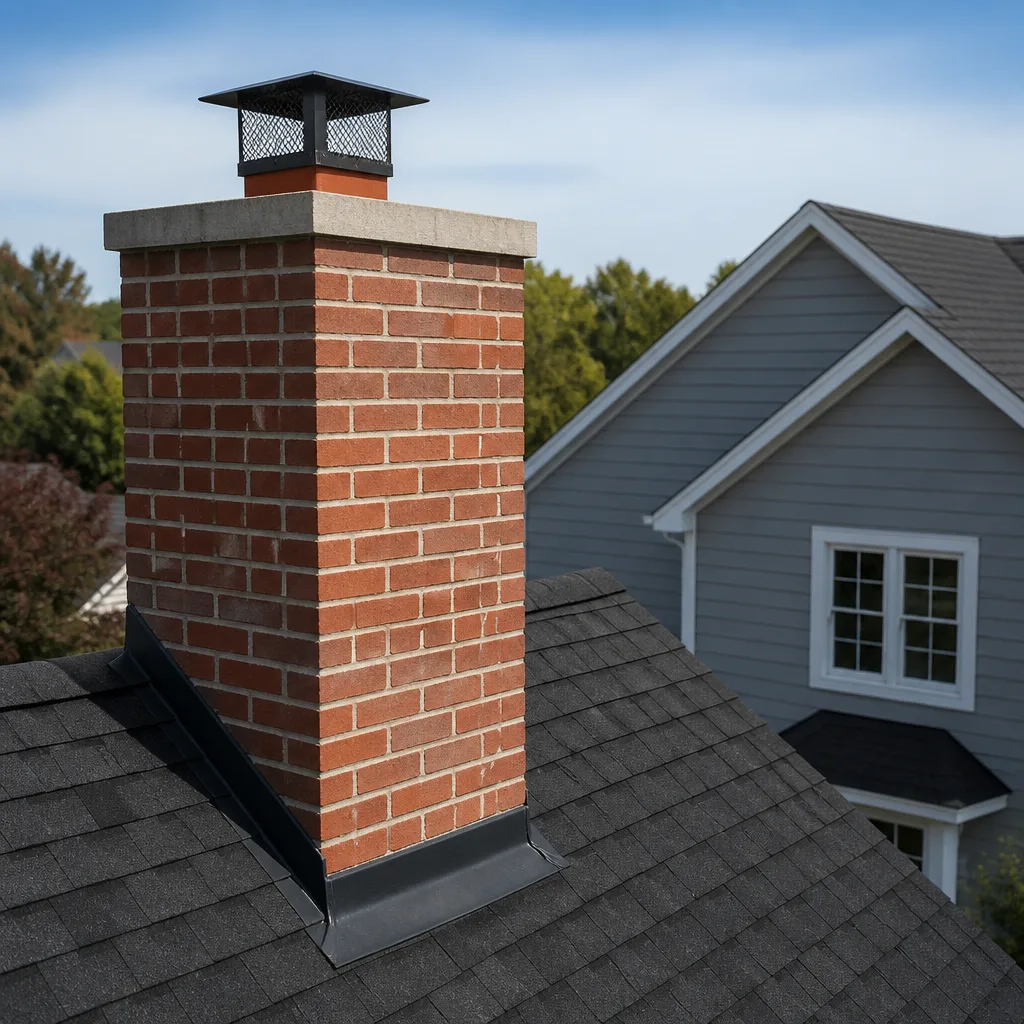
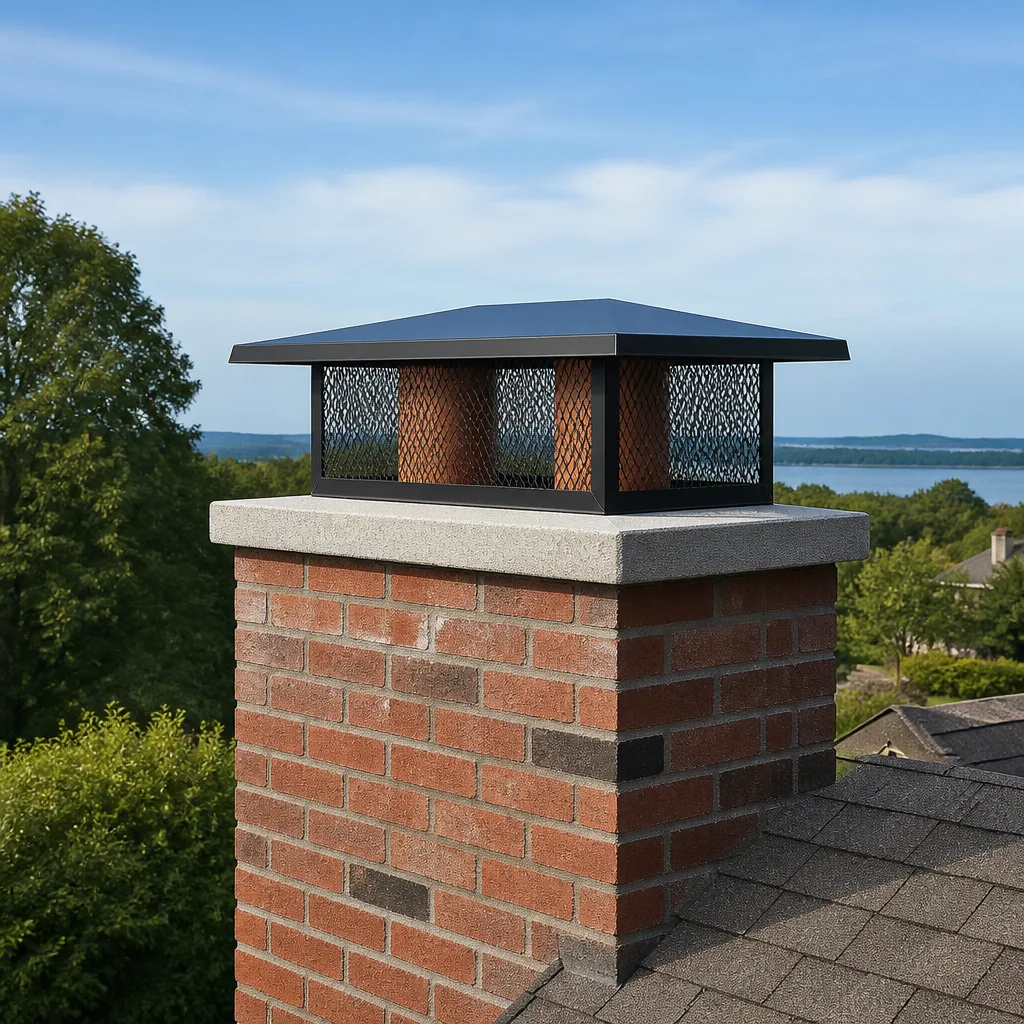
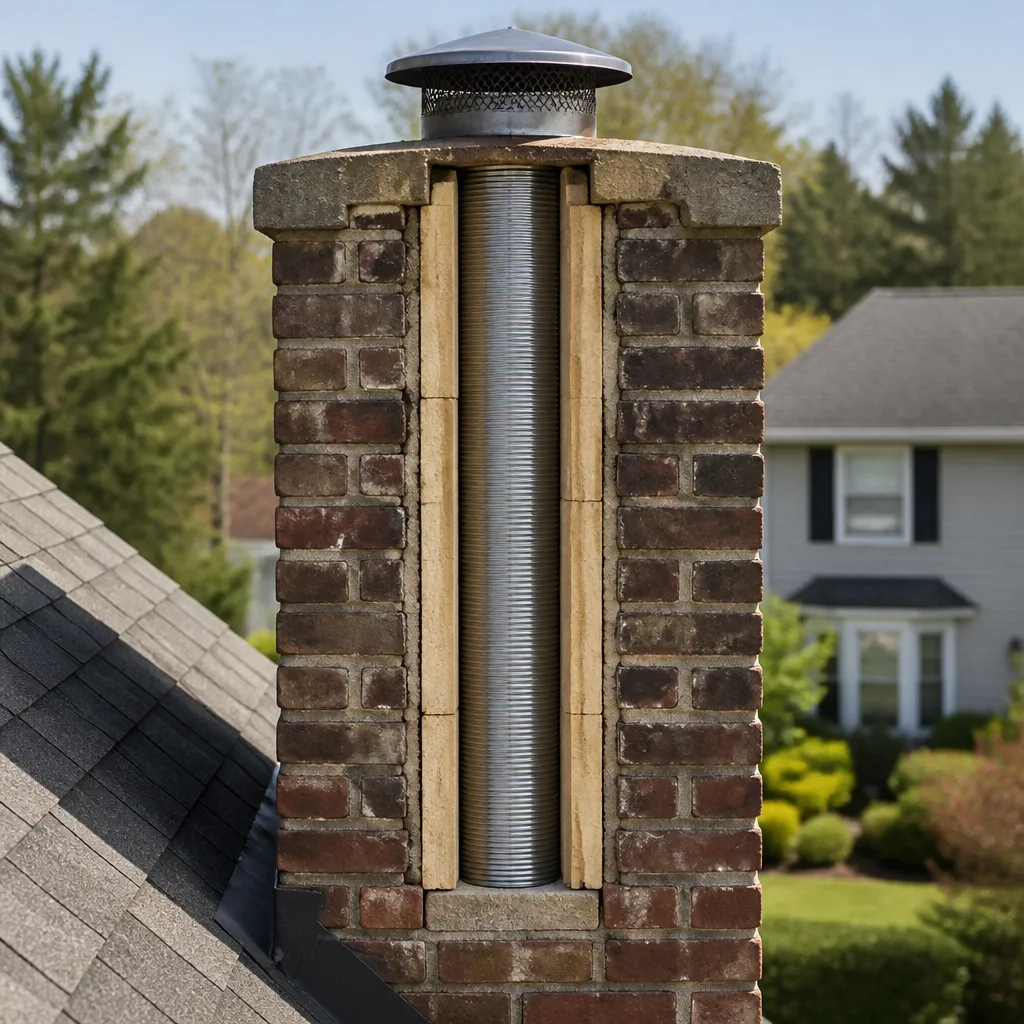
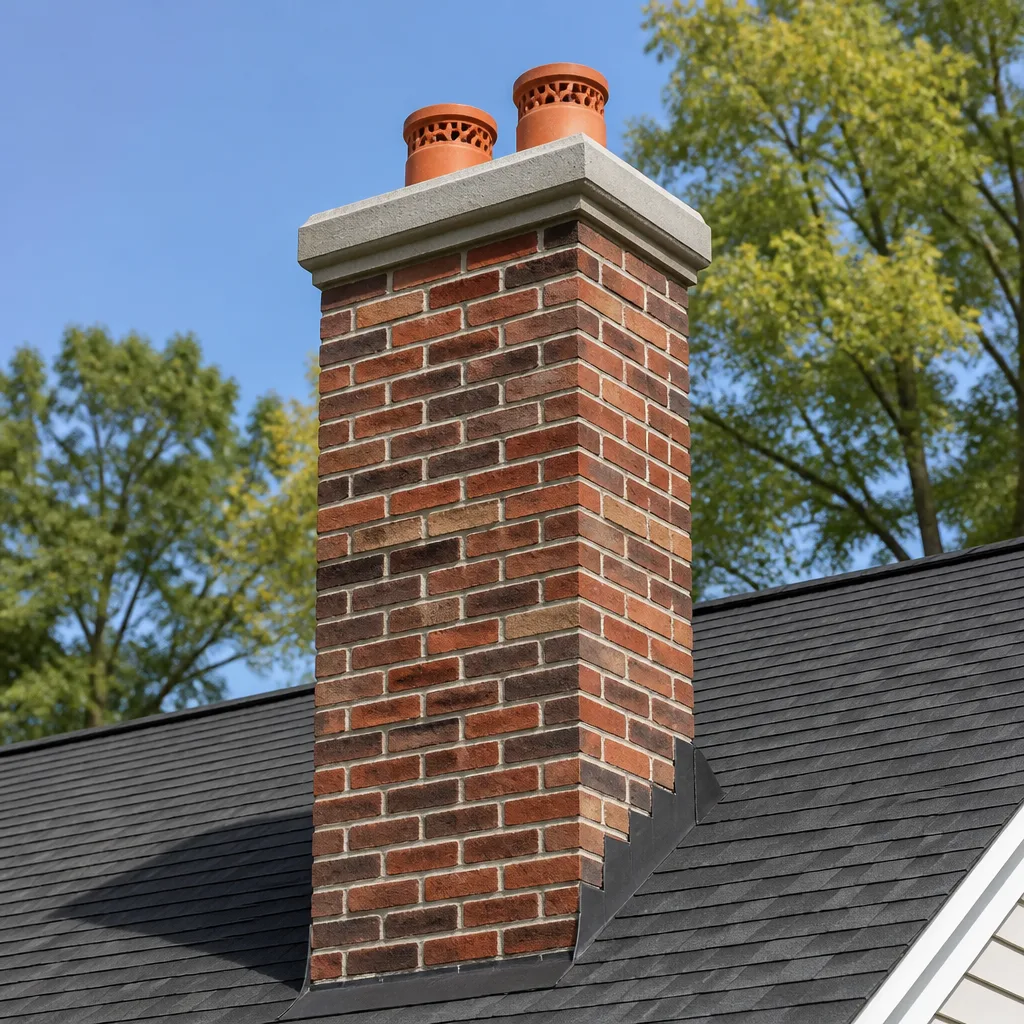
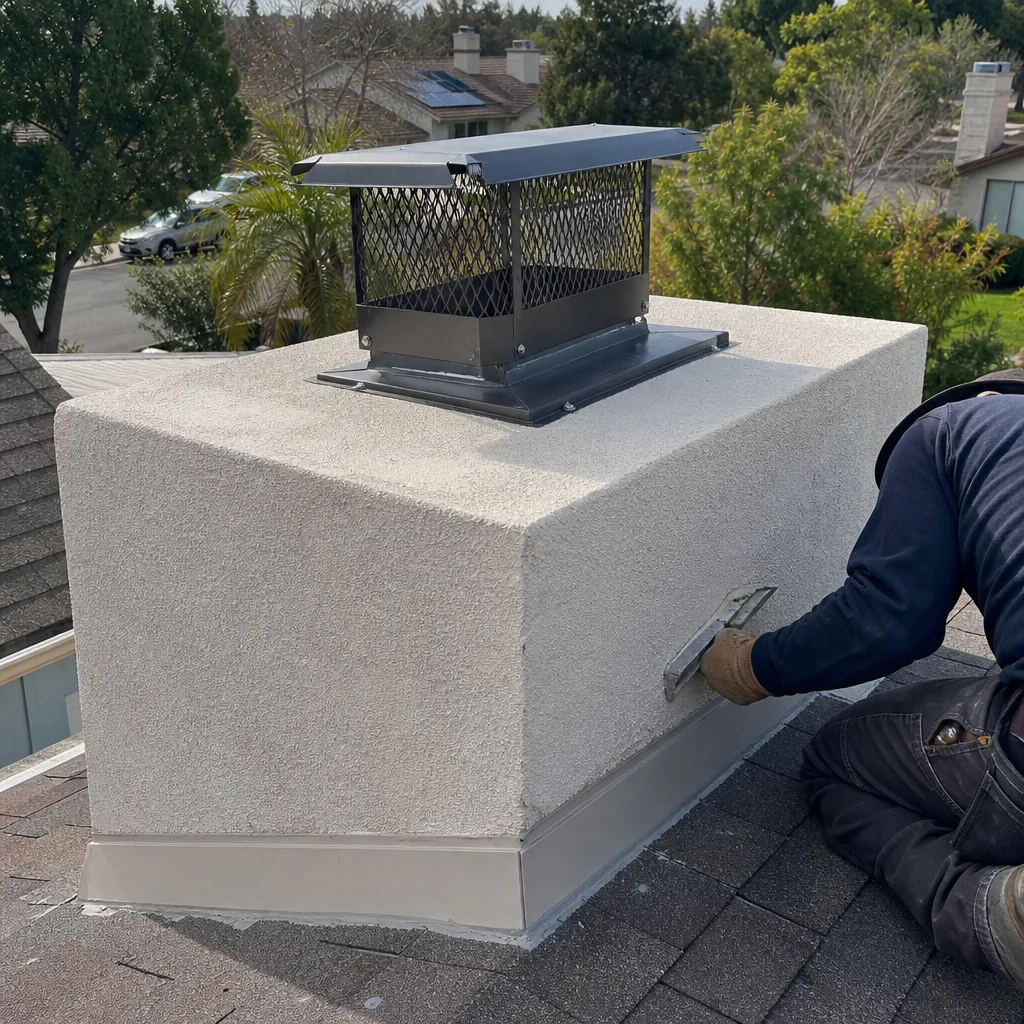
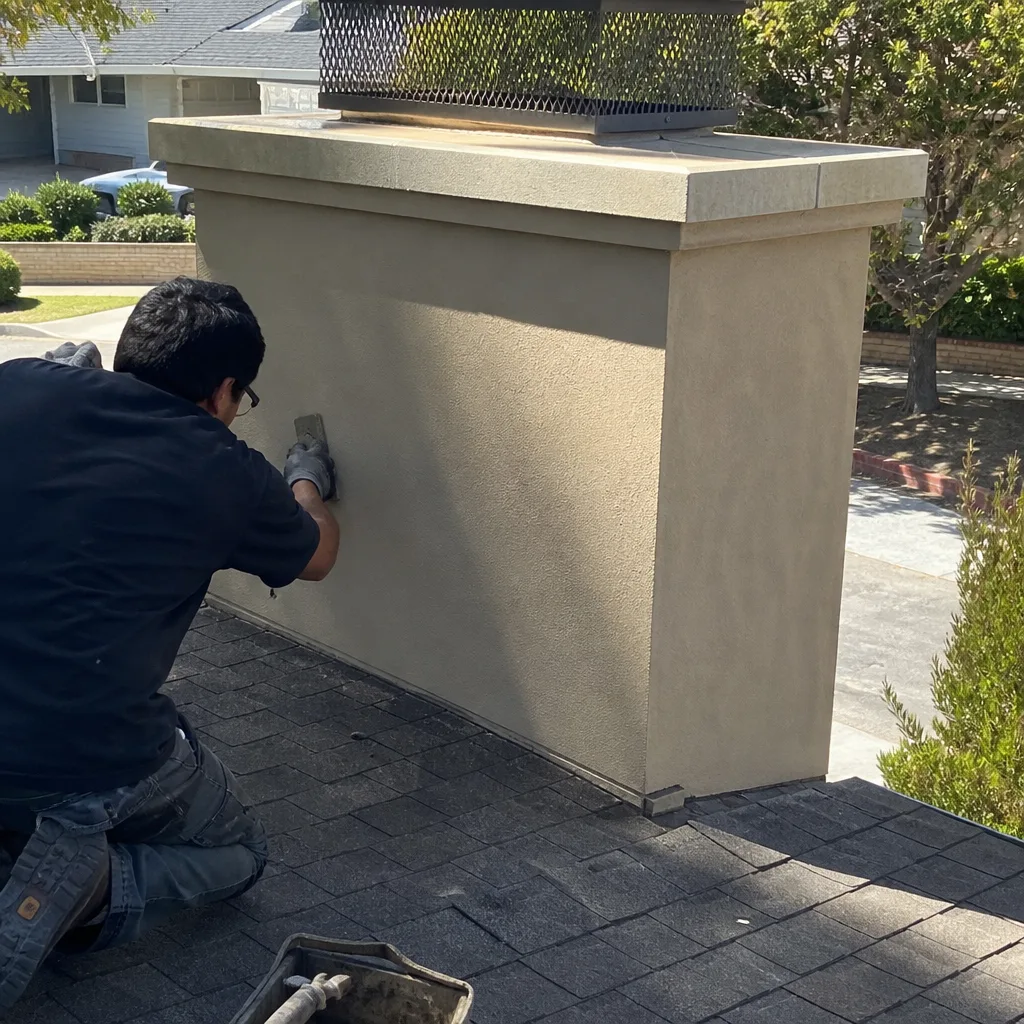
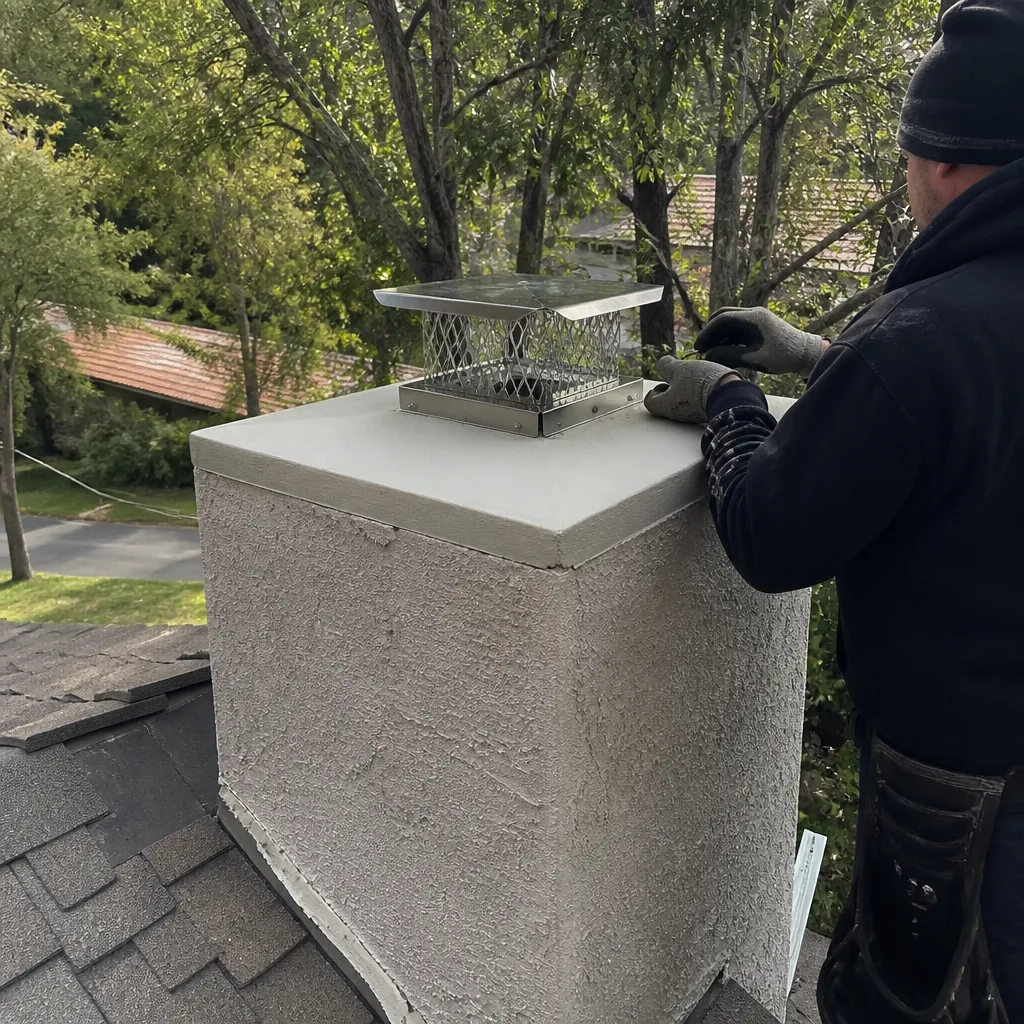
Level 1 sweep and inspection to the NFPA 211 annual standard - flue, crown, cap, and flashing checked and photographed
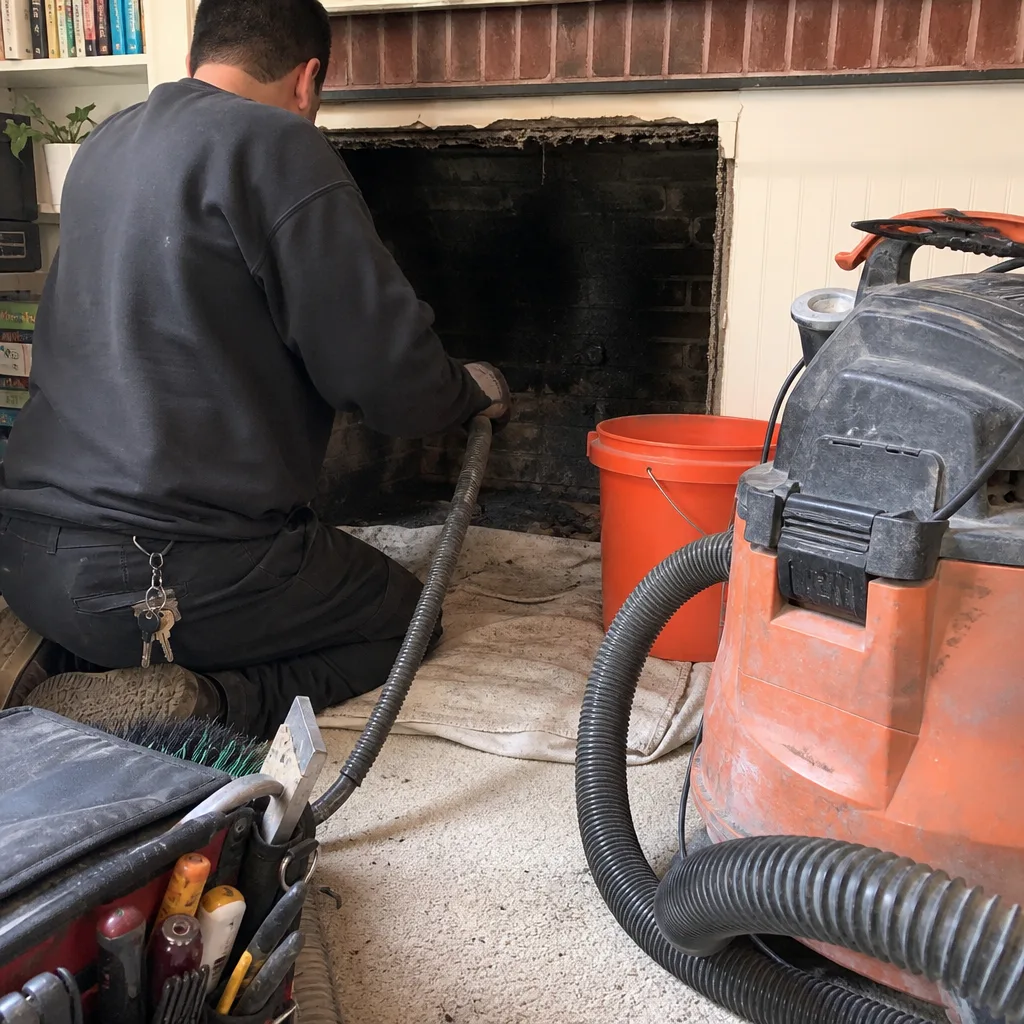
Chimney sweep logs do not sweep chimneys. They loosen some creosote - which then falls where a brush and vacuum still have to collect it.
 Before
 After
After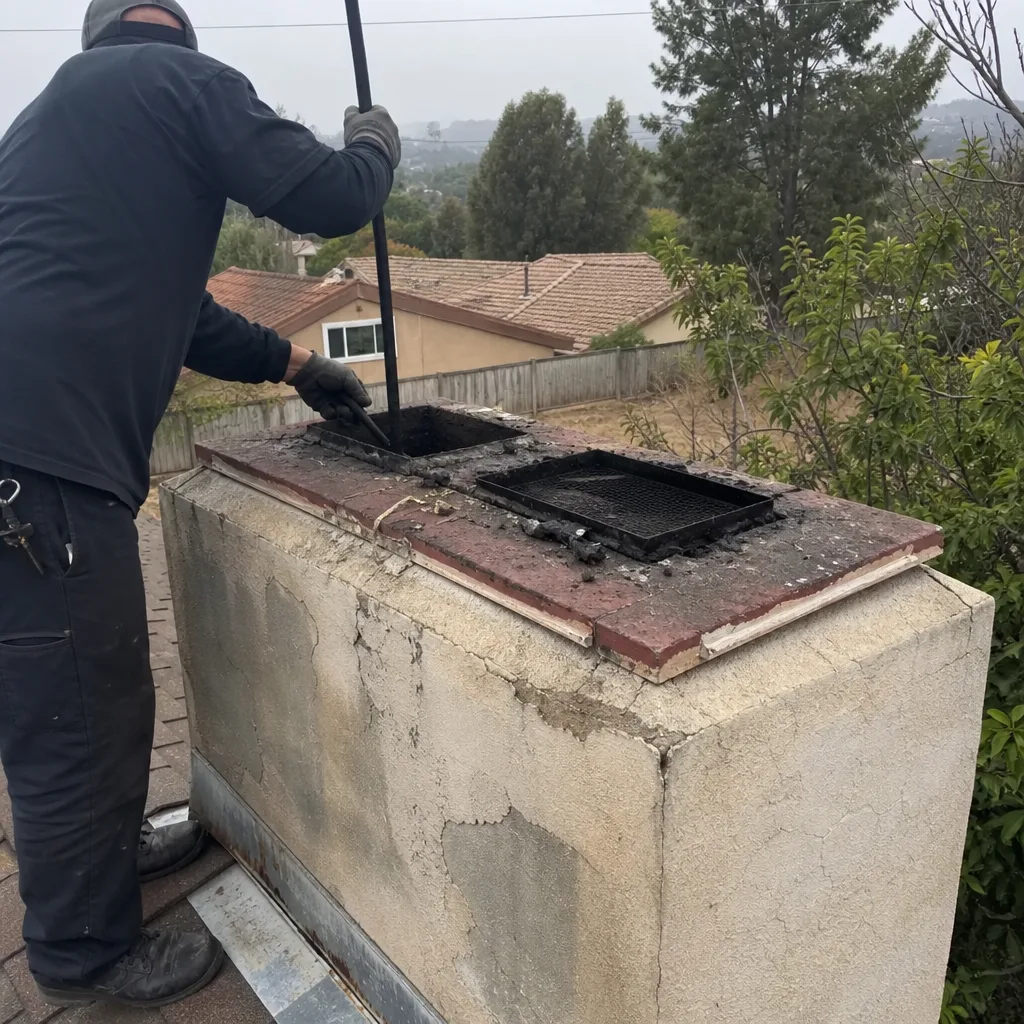 Before
 After
After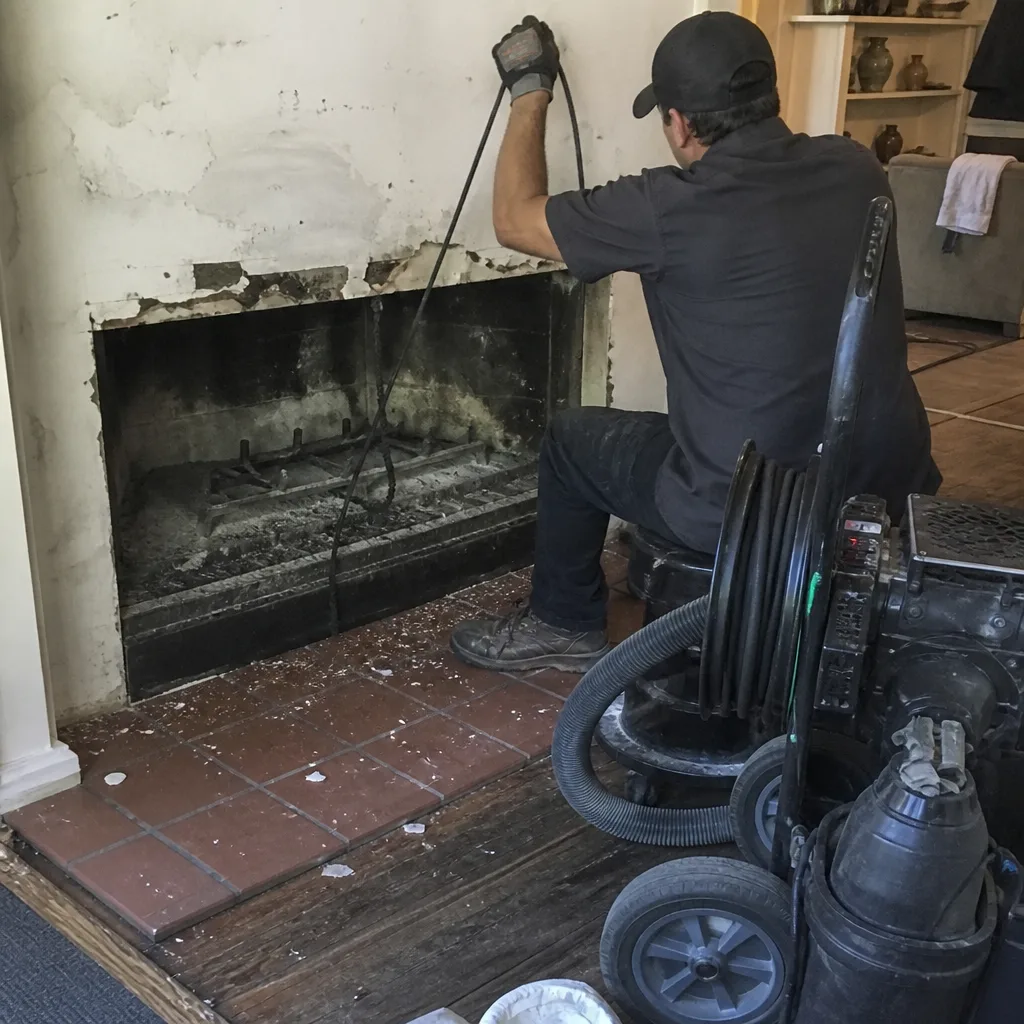 Before
 After
AfterChimney Cleaning Permits, Codes & Inspections in CA: What You Need to Know
When a California homeowner files a fire-related insurance claim and the adjuster asks for inspection documentation, “the sweep said it was fine” has never once satisfied that request. Yet most chimney cleaning companies in Ventura County issue nothing that would. In Thousand Oaks, where wildfire risk already elevates scrutiny on every hearth-related loss, the gap between what a homeowner believes was inspected and what was actually documented under enforceable code is where claims get denied and real estate deals fall apart. This guide maps California’s actual chimney code hierarchy, from state energy standards down to Thousand Oaks permit triggers, so you know which standard applies to your situation and what paperwork you should walk away with. For additional context, see our The Complete Guide to Chimney Cleaning in Thousand Oaks.
Quick Answer
California chimney work is governed by a three-layer system: California Building Code (CBC) Section 2112 for new construction, NFPA 211 for existing systems, and local Ventura County amendments that add permit requirements for structural modifications. Routine Chimney Cleaning & Sweep Maintenance Checklist for Thousand Oaks Homeowners work does not require a permit, but liner replacement, crown rebuilds, and any work affecting the chimney’s structural integrity do. A legally sufficient inspection for insurance or real estate purposes must include a written scope, photo documentation, and compliance with NFPA 211 Level 1 or Level 2 standards depending on the transaction type.
Table of Contents
- California Building Code vs. NFPA 211: Which Governs What
- Ventura County vs. Thousand Oaks: Who Requires What Permit
- Maintenance vs. Construction: The Permit Trigger Line
- What a Level 2 Inspection Report Must Contain for California Real Estate
- Title 24 Energy Code and Fireplace Damper Requirements in Thousand Oaks
- Insurance Documentation: What Adjusters Actually Require After a Chimney Fire
- Common Mistakes to Avoid
- When to Call a Professional
- Frequently Asked Questions
- The Bottom Line
 Before
 After
AfterCalifornia Building Code vs. NFPA 211: Which Governs What
California does not write its own chimney standards from scratch. The state adopts model codes with amendments, and the result is a split jurisdiction that confuses most homeowners until they need to prove compliance.
California Building Code Section 2112 applies to new construction and substantial alterations. It incorporates by reference the International Building Code provisions for masonry chimneys, factory-built chimneys, and venting systems, with California-specific amendments for seismic zones and energy efficiency. If you’re building a new home in Thousand Oaks, adding a fireplace to an existing structure, or performing work that changes the chimney’s classification (say, converting a wood-burning masonry chimney to accept a gas insert with new venting), CBC 2112 is your governing standard. The City of Thousand Oaks Building and Safety Division enforces this through plan review and inspection.
NFPA 211: Standard for Chimneys, Fireplaces, Vents, and Solid Fuel-Burning Appliances governs existing systems. Published by the National Fire Protection Association, this is the standard that professional sweeps cite when performing maintenance inspections, cleaning, and repair evaluations on chimneys already in service. NFPA 211 defines three levels of inspection:
- Level 1: Visual examination of readily accessible portions, appropriate for annual maintenance when no changes have been made to the system.
- Level 2: Camera scan of internal flue surfaces, accessible portions of the exterior, and attic or crawl space where reachable, required upon sale or transfer of property, after chimney fire or seismic event, or when any fuel type or appliance is changed.
- Level 3: Destructive inspection involving removal of building materials to access concealed areas, triggered when Level 1 or 2 indicates a serious hazard that cannot be evaluated otherwise.
Here’s where Thousand Oaks homeowners get tripped up: CBC 2112 and NFPA 211 can apply simultaneously. If you’re replacing a deteriorated clay flue liner in a 1987 home on the edge of Wildwood Park, the new liner installation must meet CBC 2112 for materials and clearances, but the inspection that identified the deterioration and the ongoing maintenance schedule must follow NFPA 211. A contractor who only references one or the other is either uninformed or cutting scope.
We’ve seen this collision directly. In 2019, a homeowner in the Lang Ranch area hired a sweep who performed what he called a “full inspection” and pronounced the chimney safe. When the homeowner later installed a new insert, the City of Thousand Oaks required a Level 2 inspection for the permit application. The camera scan revealed a cracked liner that the original visual inspection missed entirely. The sweep’s report contained no photo documentation, no written scope, and no standard reference, so it was useless for the permit process and the homeowner paid for the same evaluation twice.
The practical rule: new construction and fuel-type changes fall under CBC 2112 with city permit; existing system care falls under NFPA 211 with documentation that should include photo evidence, written findings, and standard citation.
Ventura County vs. Thousand Oaks: Who Requires What Permit
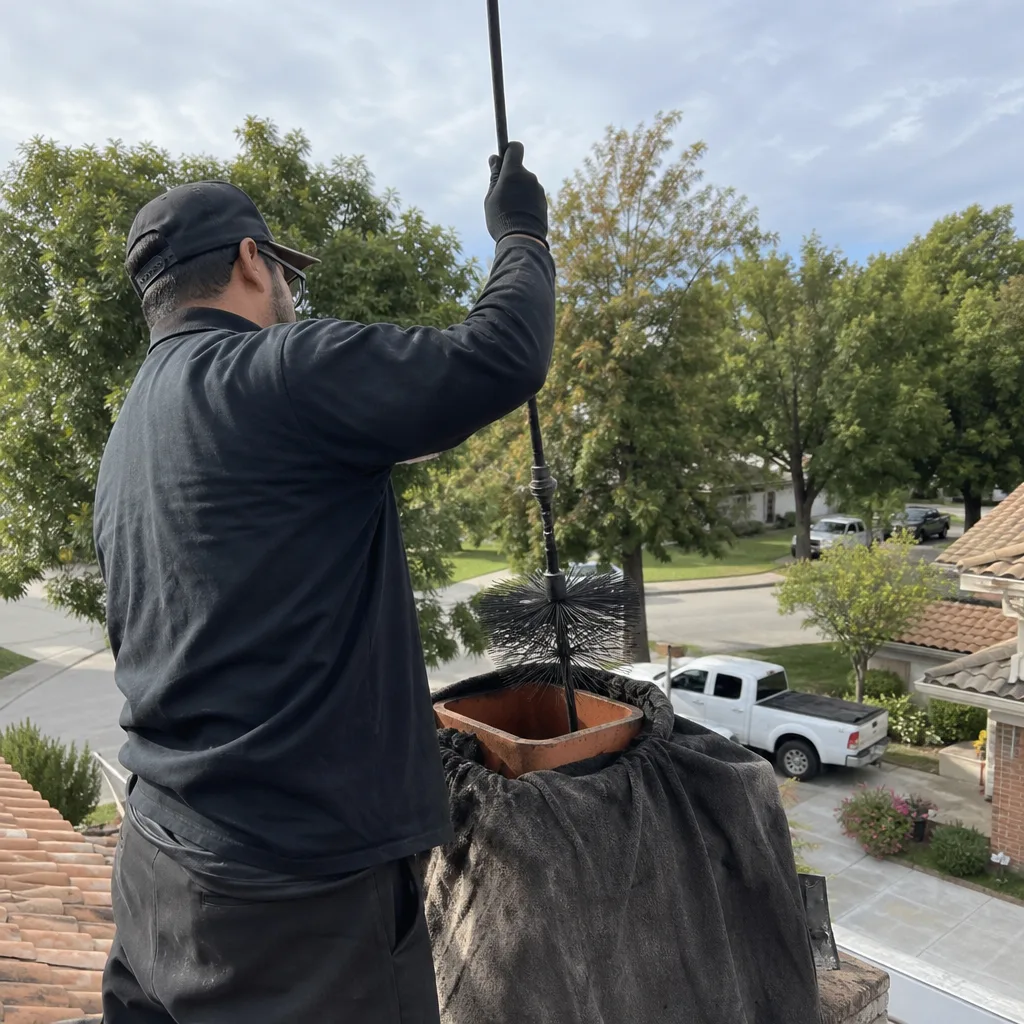
Ventura County and the incorporated City of Thousand Oaks operate separate building departments with overlapping but distinct jurisdictions. Understanding which authority applies to your property is the first step in determining whether your chimney work needs a permit.
City of Thousand Oaks Building and Safety Division enforces permits for properties within city limits. Their chimney-related permits break into three categories:
- No permit required: Routine chimney sweeping, cleaning of creosote deposits, and minor crown sealing with brush-applied products that do not alter the chimney structure or appliance connection.
- Permit required, no plan review: Chimney cap replacement with like-for-like dimensions, damper replacement in existing fireplaces where the throat opening is unchanged, and minor smoke chamber parging (less than 25% of surface area) using listed materials.
- Permit with plan review and inspection: Liner replacement or relining, crown rebuild or replacement, chimney extension or reduction in height, structural repairs to masonry (spalling brick replacement, tuckpointing exceeding 50% of a wall), and any work affecting clearances to combustibles.
Ventura County Fire Prevention Bureau has authority in unincorporated areas surrounding Thousand Oaks, including portions of the Santa Rosa Valley and pockets near the Los Angeles County line. Their requirements are similar but with one critical difference: the County requires a fire clearance inspection for any solid fuel appliance installation or liner replacement, performed by County Fire Prevention staff, in addition to the building permit. This is not a voluntary step. We’ve arrived at jobs in county jurisdiction where the homeowner obtained a building permit but was red-tagged because the fire clearance was never scheduled.
Ventura County Air Pollution Control District adds another layer for wood-burning devices. Rule 74 requires EPA-certified wood stoves and fireplace inserts in new installations, and prohibits the sale or installation of uncertified units. In Thousand Oaks, this affects replacement decisions when an old fireplace is being retrofitted. The APCD does not issue chimney work permits directly, but installing a non-compliant appliance will fail both the building and fire inspections.
Thousand Oaks-specific context: the city’s 1987 hillside ordinance and subsequent wildfire protection measures create additional clearance requirements for chimneys in Very High Fire Hazard Severity Zones, which include portions of North Ranch and developments abutting open space. These zones may require spark arrestor specifications, extended chimney heights, or specific cap designs that go beyond base code. A permit application in these areas triggers review by both Building and Safety and the Fire Department.
The permit fee structure in Thousand Oaks runs approximately $150-$400 for typical chimney work requiring plan review, with separate fees for each inspection visit. Ventura County’s fire clearance inspection carries an additional $85-$150 fee. These costs are minor compared to the penalty for unpermitted work: red-tagging, required removal and replacement, and potential insurance policy voidance if a loss occurs.
Maintenance vs. Construction: The Permit Trigger Line
The most expensive misunderstanding in California chimney work is the belief that “it’s just maintenance” exempts a project from permit requirements. The line is narrower than most contractors admit, and crossing it without documentation exposes the homeowner to liability.
Clear maintenance (no permit):
- Chimney sweeping and removal of soot, ash, and Class I or II creosote deposits
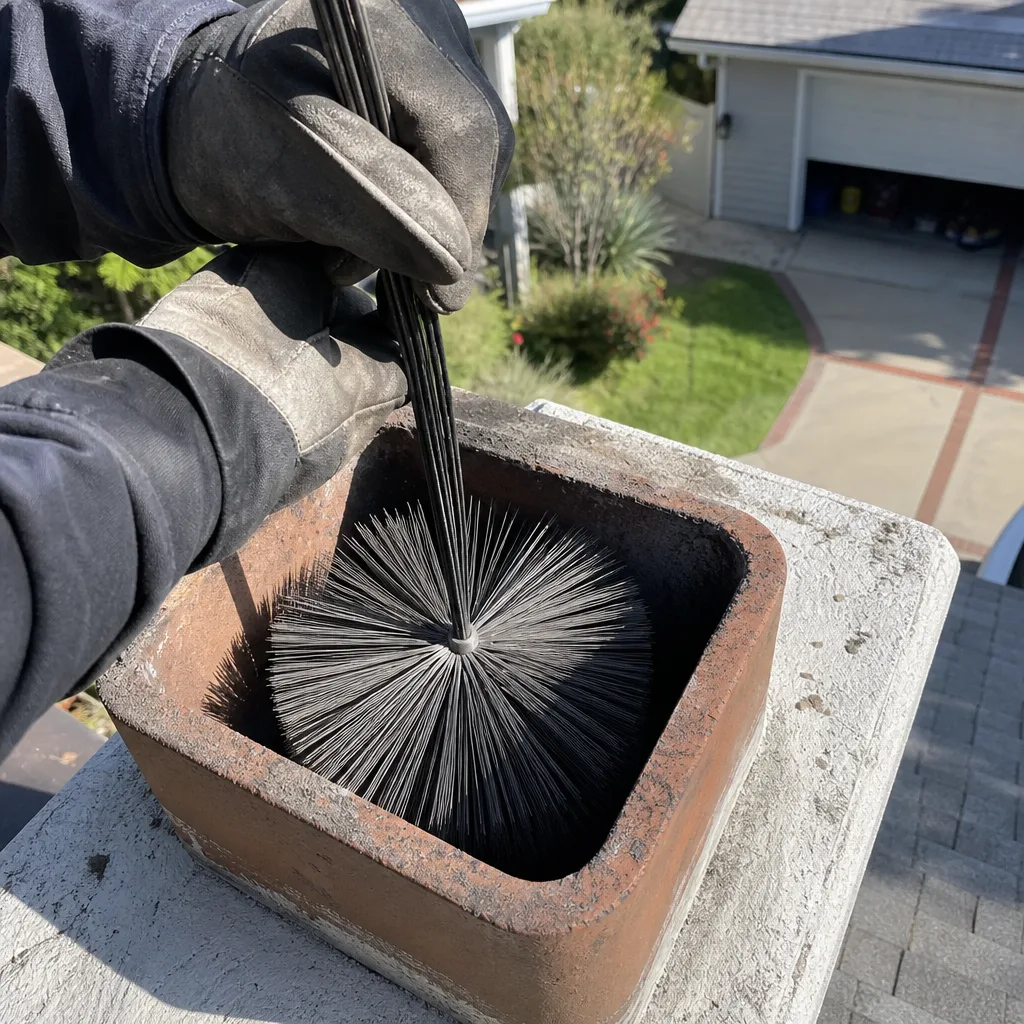
- External brushing of the flue with standard sweep rods and brushes
- Inspection with lights, mirrors, and camera equipment that does not require material removal
- Application of waterproofing sealants to exterior masonry that do not change the structure’s performance characteristics
- Replacement of chimney caps with identical dimensions and attachment methods
Gray zone (verify before proceeding):
- Smoke chamber parging with refractory mortar (some jurisdictions treat this as repair requiring permit; others as maintenance)
- Crown coating with elastomeric products versus full crown rebuild
- Damper replacement where the new unit has a different throat profile or seal mechanism
Construction/repair (permit required):
- Any liner work: stainless steel relining, Thermocrete spray application, or poured-in-place systems
- Crown removal and replacement, including pour-form reconstruction
- Chimney rebuilding from the roofline up
- Tuckpointing or brick replacement exceeding cosmetic scope (generally, >25% of a wall face or any structural course)
- Installation of cricket or saddle behind chimney on sloped roof
- Modification of clearances to combustibles, including framing or insulation changes
The critical distinction is whether the work affects the chimney’s structural integrity, venting performance, or clearance to combustibles. These are the three domains where code enforcement has legitimate safety jurisdiction. A sweep who tells you liner replacement “doesn’t need a permit because it’s inside the chimney” is wrong in every California jurisdiction we’ve encountered, including Thousand Oaks.
We’ve documented this confusion repeatedly. In 2021, a homeowner in the Lynn Ranch area had a contractor install a stainless steel liner without pulling a permit. The work was technically competent, the materials were from a reputable supplier in the Olympia Chimney line, but the absence of permit and inspection meant no documentation of clearance compliance. When the homeowner sold the property two years later, the buyer’s inspector flagged the unpermitted work. The sale was delayed six weeks while the city required retroactive permitting, including opening walls to verify clearances that the original contractor had already closed. The $2,800 liner installation became a $6,400 problem.
Our practice at Level Two Chimney Thousand Oaks home is to identify permit requirements during the initial evaluation and include permit costs in the written price we deliver before work starts. Clause 1 of the Haven Standard requires this transparency. We do not begin work that requires a permit until the permit is issued, and we schedule the required inspections as part of project management.
What a Level 2 Inspection Report Must Contain for California Real Estate
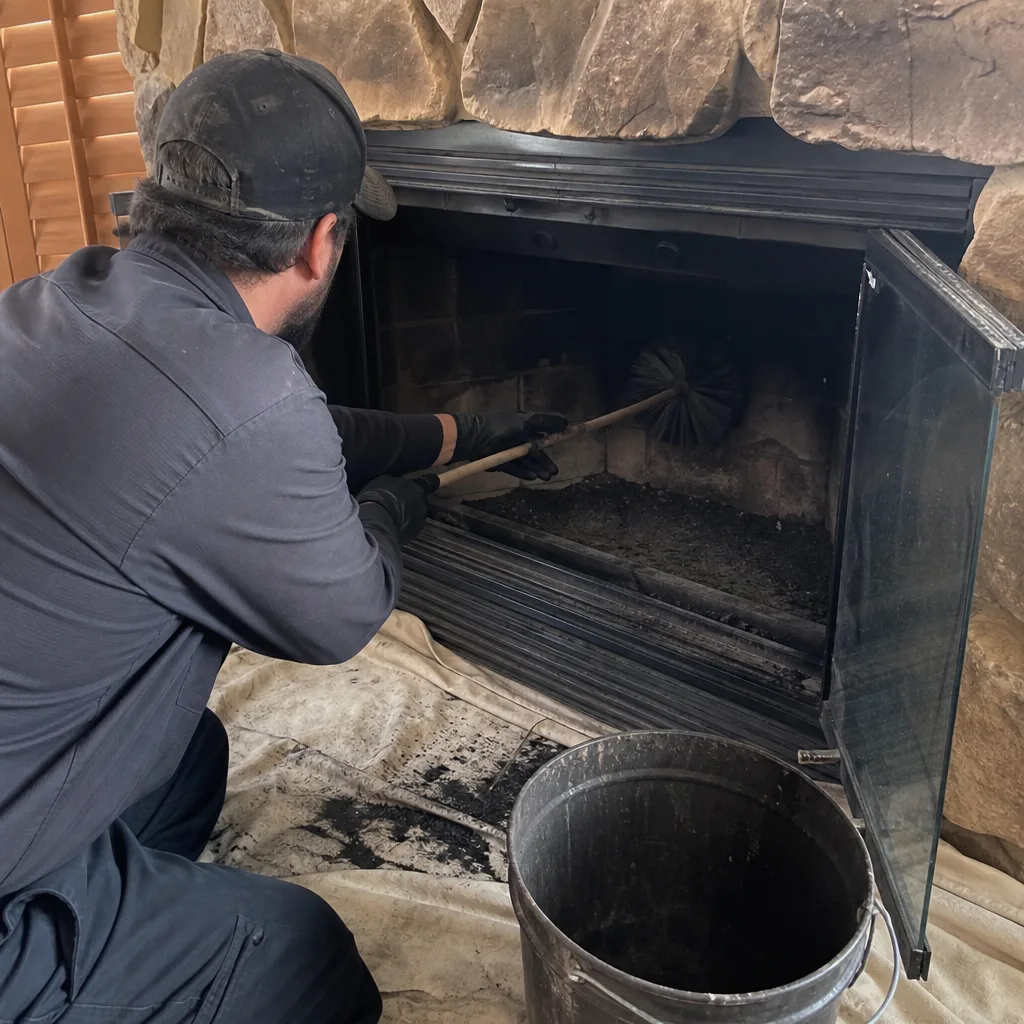
California real estate transactions involving fireplaces or solid fuel appliances are where documentation gaps become most costly. The California Residential Purchase Agreement includes provisions for inspection contingencies, and lenders or insurers may require specific chimney documentation that a generic “cleaning receipt” does not satisfy.
A Level 2 inspection report that will satisfy a real estate transaction, insurance underwriter, or permit application in Thousand Oaks must contain these elements:
- Property identification: Address, assessor’s parcel number, date of inspection, and weather conditions during exterior evaluation.
- System description: Appliance type, manufacturer and model if visible, fuel type, flue dimensions and material, chimney construction type (masonry, factory-built, or other), and liner condition.
- Inspection methodology: Explicit statement that NFPA 211 Level 2 standards were followed, including camera scan equipment used, areas accessed (attic, crawl space, roof), and any limitations to access.
- Photo documentation: Dated, labeled images of the flue interior at multiple elevations, firebox condition, damper assembly, smoke chamber, exterior crown, cap, and visible masonry. Video footage is increasingly expected.
- Written findings: Specific conditions observed, using trade terminology with plain-language explanation, classification of creosote deposits (Class I, II, or III), and evaluation of liner integrity, crown condition, and clearance compliance.
- Recommendations with priority: Clear distinction between immediate safety hazards requiring action before use, maintenance items that should be addressed within a defined timeframe, and observations for monitoring.
- Written scope and price for recommended work: Itemized description of proposed repairs or cleaning with flat pricing, not “estimate subject to change.”
- Inspector identification: Name, company, certification or training credentials, and signature.
The absence of any of these elements creates vulnerability. In our experience, the most commonly missing items are camera documentation (sweeps who perform “Level 2” inspections with only a flashlight), written scope and price (vague recommendations without commitment), and inspector identification (reports issued by “the technician” with no name or credential).
Clause 4 of the Haven Standard, which we’ve followed since 2009, requires a documented photo record on every job. This practice predated widespread real estate and insurance demand for such documentation, but it now means our reports routinely satisfy transaction requirements without supplemental work. We’ve completed more than 38,000 chimney inspections and cleanings, every one with a written price before work started and a documented record when it was done.
Thousand Oaks real estate specifics: in the competitive market around Westlake Village adjacent areas and newer construction in North Ranch, buyers increasingly request chimney inspection reports before removing contingencies. Sellers who proactively obtain a Level 2 inspection with full documentation can list with confidence and avoid the 11th-hour negotiation discount that occurs when a buyer’s inspector finds undocumented conditions.
Title 24 Energy Code and Fireplace Damper Requirements in Thousand Oaks
California’s Title 24, Part 6 (the Building Energy Efficiency Standards) is the code layer most chimney contractors ignore, and it’s the one that creates the most surprise failures during inspections for gas insert installations and fireplace retrofits.
Title 24 requires that fireplaces in new construction and substantial alterations be equipped with tight-sealing dampers or gasketed doors to prevent conditioned air loss. The specific language in the 2022 standards (effective January 2023) states that chimney dampers must form a “substantially airtight seal” when closed, and that site-built masonry fireplaces must have removable glass doors or a listed insert to comply.
This affects Thousand Oaks homeowners in two specific scenarios:
Gas log insert installations: Many homeowners assume that converting a wood-burning fireplace to gas logs is straightforward permit-wise. But if the installation involves a vented gas log set in an existing masonry fireplace, Title 24 requires that the damper be blocked open (for safety, to prevent gas accumulation) or replaced with a listed damper stop, and that the fireplace opening be addressed for energy compliance. Direct-vent gas inserts with sealed combustion systems are treated differently and more favorably under Title 24, but they require liner modifications that trigger CBC 2112 permit requirements. We’ve evaluated hundreds of Thousand Oaks homes where the “simple gas log conversion” a homeowner envisioned required $1,800-$4,500 in code-compliant modifications they hadn’t budgeted for.
Wood-burning system preservation: Title 24 does not ban existing wood-burning fireplaces, but it does restrict new installations and requires that replacement dampers meet current energy standards. If your throat damper has corroded through, a like-for-like replacement with a traditional cast-iron damper may not satisfy Title 24 in a permit-triggering repair scenario. The replacement may need to be a listed top-sealing damper with silicone gasket seal, such as those from Famco or similar manufacturers, installed with appropriate mounting and actuator systems.
The climate factor in Thousand Oaks amplifies Title 24’s relevance. Our warm-summer Mediterranean climate means homes run air conditioning for extended periods. An open or leaking throat damper in July is effectively a 6-inch hole dumping cooled air into the attic. Title 24’s energy calculations account for this, and inspectors in Ventura County have become more rigorous about damper condition during fireplace-related inspections.
We source replacement dampers and components through our Haven buying network, including options from Famco and Gelco, specifically to keep customer prices honest on code-compliant parts. When we evaluate a fireplace for repair or retrofit, we identify Title 24 implications in the written scope so there are no permit surprises.
Insurance Documentation: What Adjusters Actually Require After a Chimney Fire
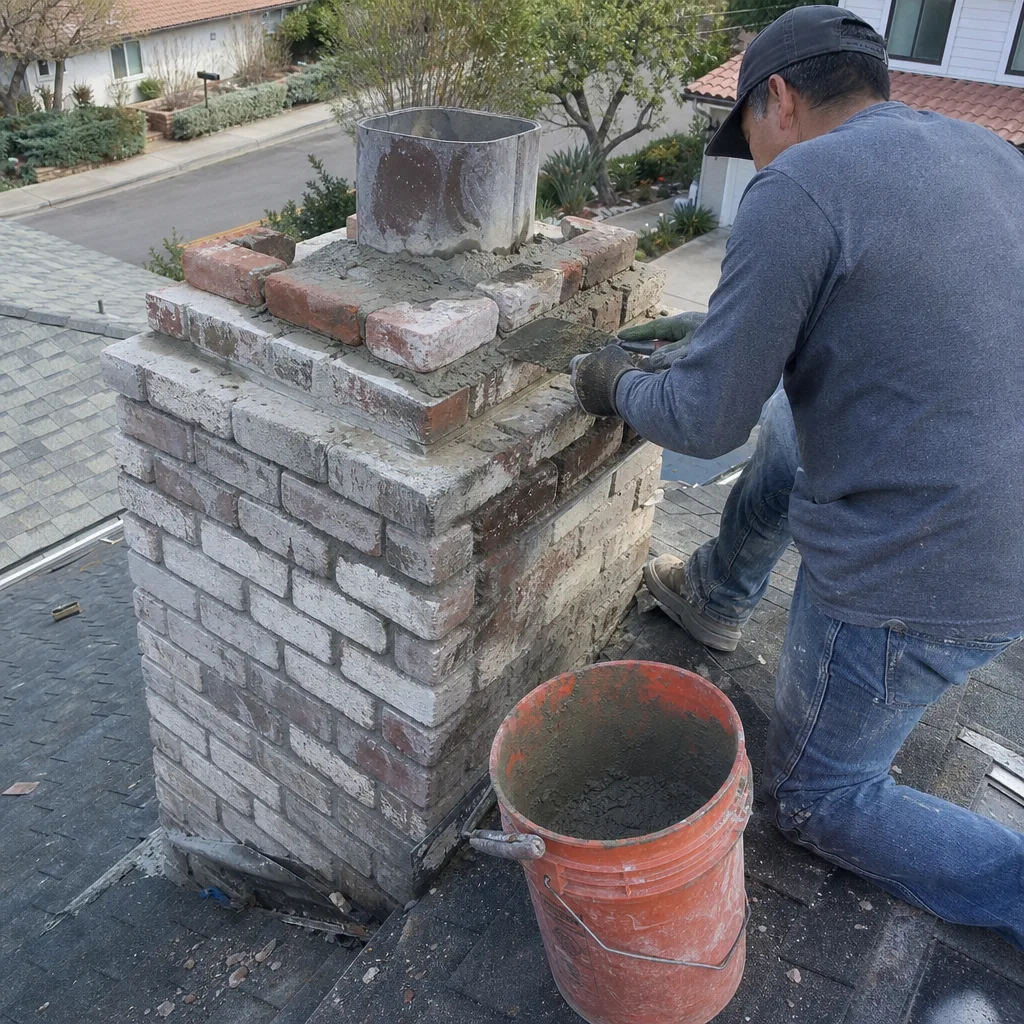
The moment that exposes every documentation gap is a chimney fire claim. California insurers, already sensitive to fire loss in wildfire-prone areas including Ventura County, have tightened requirements for hearth-related claims significantly since 2020.
When an adjuster investigates a chimney fire claim, they request specific documentation in a specific order:
- Proof of recent professional inspection: Not a cleaning receipt, not a verbal assurance, but a dated report from a qualified professional referencing an applicable standard.
- Standard compliance: Evidence that the inspection followed NFPA 211 (for existing systems) or CBC 2112 (for new work), with the level of inspection appropriate to the system condition.
- Photo or video documentation: Visual evidence of the chimney condition before the loss, showing that the hazard was or was not identifiable.
- Maintenance history: Frequency of cleaning, type of fuel burned, and any modifications to the system.
- Installation documentation: For any liners, inserts, or appliances, permits and final inspection sign-offs.
The adjuster is not evaluating whether your chimney was “clean.” They’re evaluating whether you exercised reasonable care and whether a professional, following accepted standards, should have identified the condition that caused the fire. A report that says “chimney is in good condition” with no photos, no standard citation, and no description of methodology will be treated as worthless. We’ve seen claims denied on this basis alone.
In Thousand Oaks, where many homes in neighborhoods like Conejo Oaks and Dos Vientos were built during the 1970s-1990s construction boom, original clay flue liners are reaching end of service life. The gap between “swept annually” and “actually inspected with documentation” is where insurers find their denial leverage. A homeowner who paid for yearly “cleaning and inspection” but received only a carbon-copy receipt with a checkmark has no defense.
Our 365-Day Done Right Promise exists in part because documentation integrity is a long-term commitment. If we inspect your chimney and document its condition, that record is available to you for insurance or real estate purposes. We’ve provided documentation for claims years after the original inspection because our records are systematically maintained, not discarded after the invoice is paid.
Common Mistakes to Avoid
- Accepting a “Level 2 inspection” without camera documentation. The defining element of Level 2 is internal camera scan of the flue. A flashlight and mirror evaluation, no matter how thorough, is Level 1. In Thousand Oaks, we’ve encountered competitors charging Level 2 prices while delivering Level 1 scope.
- Assuming permit responsibility lies with the contractor. In California, the property owner is ultimately responsible for permit compliance. A contractor who performs unpermitted work and disappears leaves you with the violation. Verify permit status before work begins, and request the final inspection sign-off before final payment.
- Confusing “certified sweep” with “code-compliant documentation.” CSIA certification indicates training in sweeping and inspection techniques, but it does not guarantee that the sweep’s reports will satisfy your specific insurance, real estate, or permit requirement. Ask directly: “Will this report reference NFPA 211 by edition? Will it include dated photos?”
- Ignoring Title 24 implications for gas conversions. Thousand Oaks homeowners frequently budget for the insert purchase and installation labor while overlooking the liner modification, damper modification, and permit costs that Title 24 and CBC 2112 require. Get a written scope that includes all code layers before committing.
- Failing to document pre-existing conditions before a real estate sale. Sellers who wait for the buyer’s inspection lose negotiation position. A proactive Level 2 inspection with full documentation, obtained before listing, lets you address conditions on your timeline or disclose with confidence.
- Using unpermitted work from a previous owner without verification. In the Thousand Oaks market, where homes change hands frequently, inherited unpermitted chimney work is common. Before relying on a prior installation, verify permits with the City of Thousand Oaks Building and Safety Division. Retroactive permitting is possible but more expensive and invasive than original compliance.
- Treating all of Ventura County as one jurisdiction. City of Thousand Oaks, unincorporated Ventura County, and adjacent cities like Westlake Village and Agoura Hills have distinct permit processes. A contractor who works “all over Ventura County” without specifying jurisdiction-specific requirements is a red flag.
When to Call a Professional
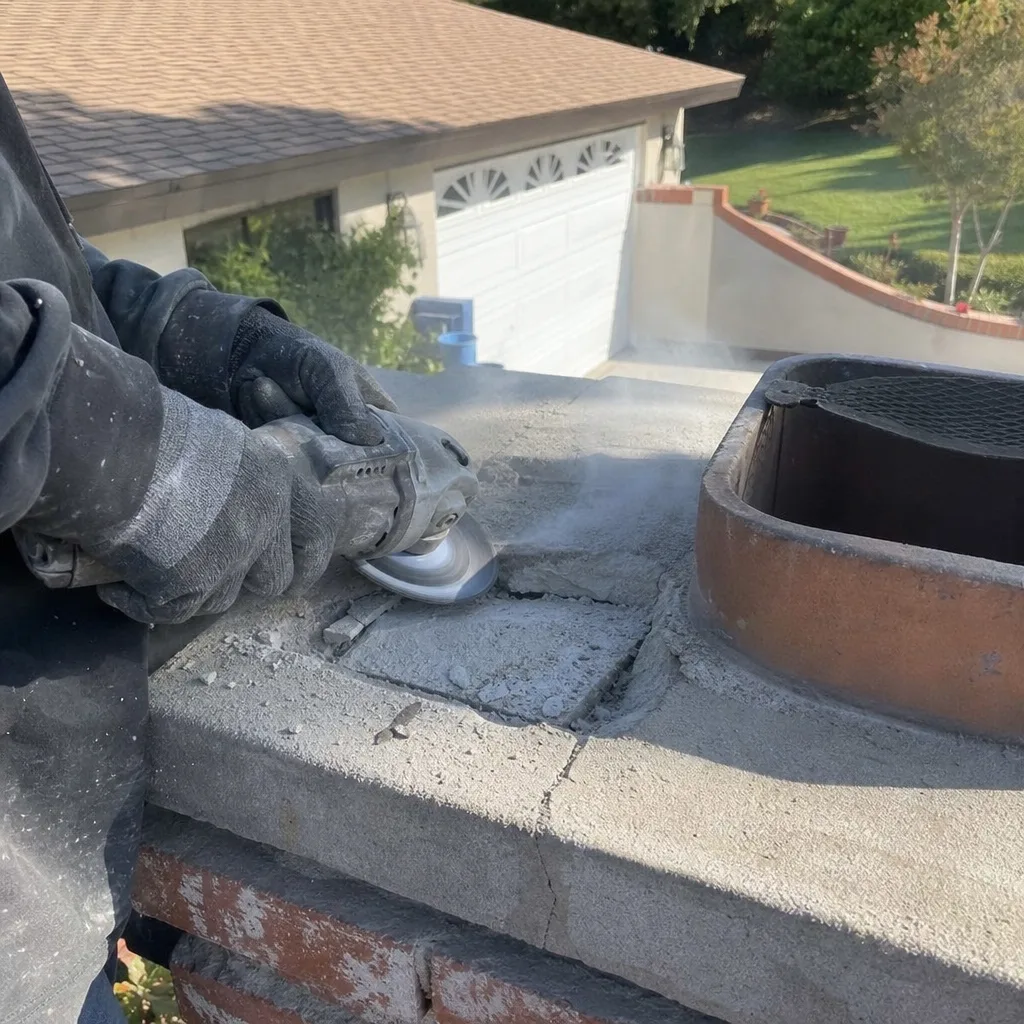
Call a qualified chimney professional when any of these conditions apply: you’re buying or selling a home with a fireplace; you’ve never had a camera inspection of your flue; you’re changing fuel types or installing a new appliance; you’ve experienced a chimney fire, earthquake, or significant weather event; or your chimney shows visible damage like spalling brick, crown cracks, or water staining on interior walls. In Thousand Oaks, where clay soil movement and seasonal temperature swings stress masonry systems, we recommend a Level 2 inspection every five years even without a triggering event, and annually if you burn wood regularly.
Level Two Chimney Thousand Oaks offers free estimates in Thousand Oaks. We’ll evaluate your system, identify which code layers apply to your situation, and deliver a written price before any work starts. Call (424) 786-6130 to schedule. Our background-checked, uniformed technicians arrive with license information, a named assignment, and text notification when en route, under the Haven Standard’s H.A.V.E.N. protocol for verified, scheduled service.
Frequently Asked Questions
A Level 1 inspection typically runs $150-$250, while a Level 2 inspection with camera scan and photo documentation ranges $275-$450 depending on roof access difficulty and system complexity. Level Two Chimney Thousand Oaks includes a written scope, written price for any recommended work, and a documented photo record on every Level 2 inspection under Clause 4 of the Haven Standard. Call (424) 786-6130 for an exact quote - estimates are free.
Yes. Liner replacement affects venting performance and clearances to combustibles, which places it under CBC 2112 and requires a City of Thousand Oaks building permit with inspection. Unpermitted liner work can void insurance coverage and create title issues on sale. A legitimate contractor will include permit costs in the written price and schedule required inspections.
NFPA 211 recommends annual inspection, with cleaning frequency determined by use and fuel type. Wood-burning systems in regular use need annual sweeping; gas systems typically need less frequent cleaning but still require annual inspection of valves, connections, and venting. In Thousand Oaks, where many homeowners use fireplaces occasionally for ambiance rather than primary heat, a Level 2 inspection every two to three years with annual Level 1 checks is a practical balance.
Skipped maintenance leads to creosote accumulation (a fire hazard), liner deterioration that allows heat transfer to combustible framing, and moisture intrusion that degrades masonry. In Ventura County’s wildfire-prone environment, insurers increasingly deny claims where lack of documented maintenance contributed to loss. The cost of routine inspection and cleaning is minor compared to fire damage, structural repair, or policy cancellation. Visit our more guides & resources for additional homeowner information. Call (424) 786-6130 to schedule before burning season.
A sweep performs cleaning; an inspector evaluates condition. In practice, many professionals do both, but the critical distinction is documentation. A sweep who cleans your chimney without a written report referencing applicable standards has not performed an inspection that will satisfy insurance, real estate, or permit requirements. At Level Two Chimney Thousand Oaks, every visit includes evaluation, documentation, and cleaning as needed, with the scope clearly stated in writing.
No. A cracked flue liner is a Level 1 hazard under NFPA 211, meaning the system should not be operated until repaired. The liner contains heat and combustion byproducts; cracks allow heat, sparks, and carbon monoxide to reach combustible building materials or living spaces. We’ve documented liner failures in Thousand Oaks homes where continued use after a known crack led to pyrolysis of adjacent framing, a condition that can cause spontaneous fire hours or days after the fireplace was last used. The repair can often wait for scheduled work if the fireplace is not used, but operation before repair is not safe.
The Bottom Line
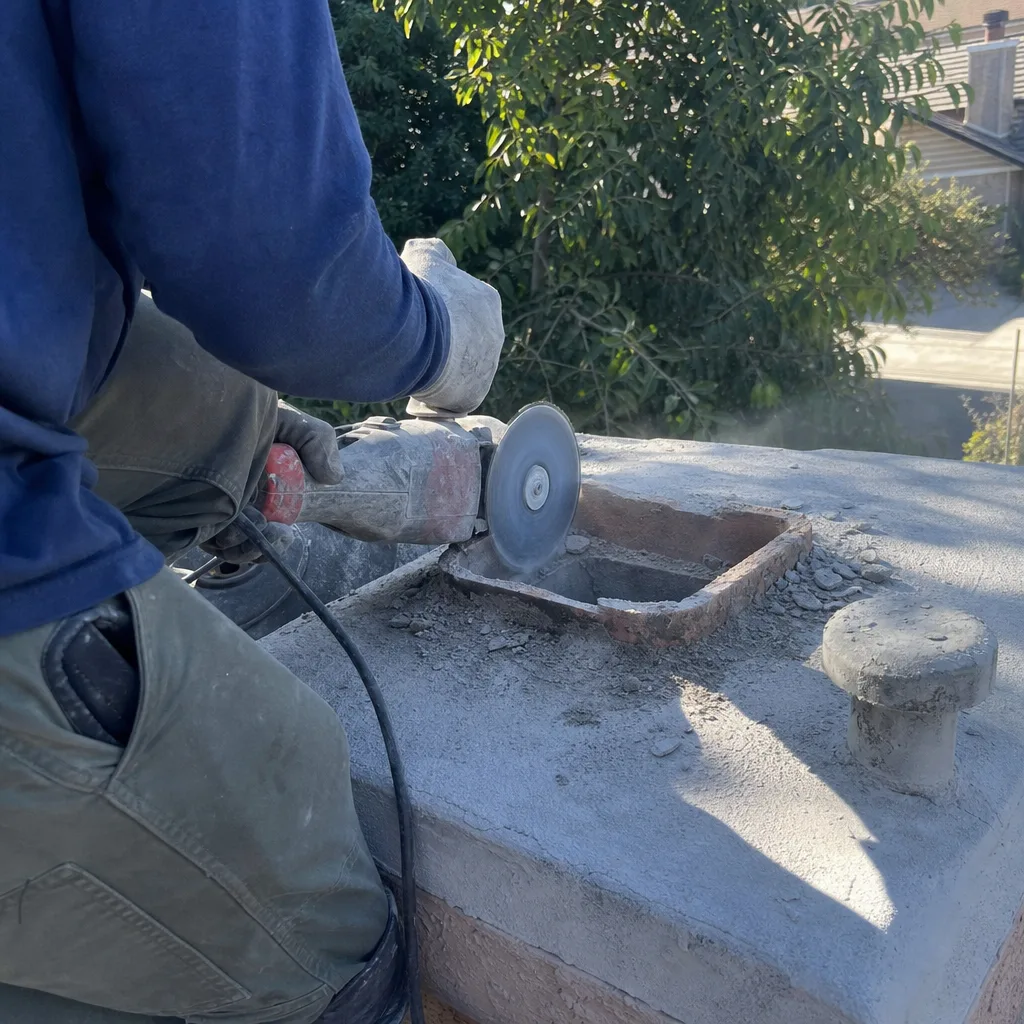
California’s chimney code landscape is genuinely layered: CBC 2112 for new work, NFPA 211 for existing systems, Title 24 for energy compliance, and local Ventura County and Thousand Oaks requirements for permits and inspections. The gap between what homeowners assume was verified and what was actually documented is where real estate deals stall, insurance claims fail, and safety hazards persist unseen. The protection is straightforward: demand camera-scan inspection with photo documentation, written scope and price before work starts, and permit verification for any work beyond routine cleaning. These are not premium services; they are the baseline for code compliance and financial protection. We’ve built our practice on this standard since 2009, and it’s the standard every Thousand Oaks homeowner should expect.
Written by Corrine Halstead, Owner at Level Two Chimney Thousand Oaks, serving Thousand Oaks since 2009.