
Last updated September 21, 2026
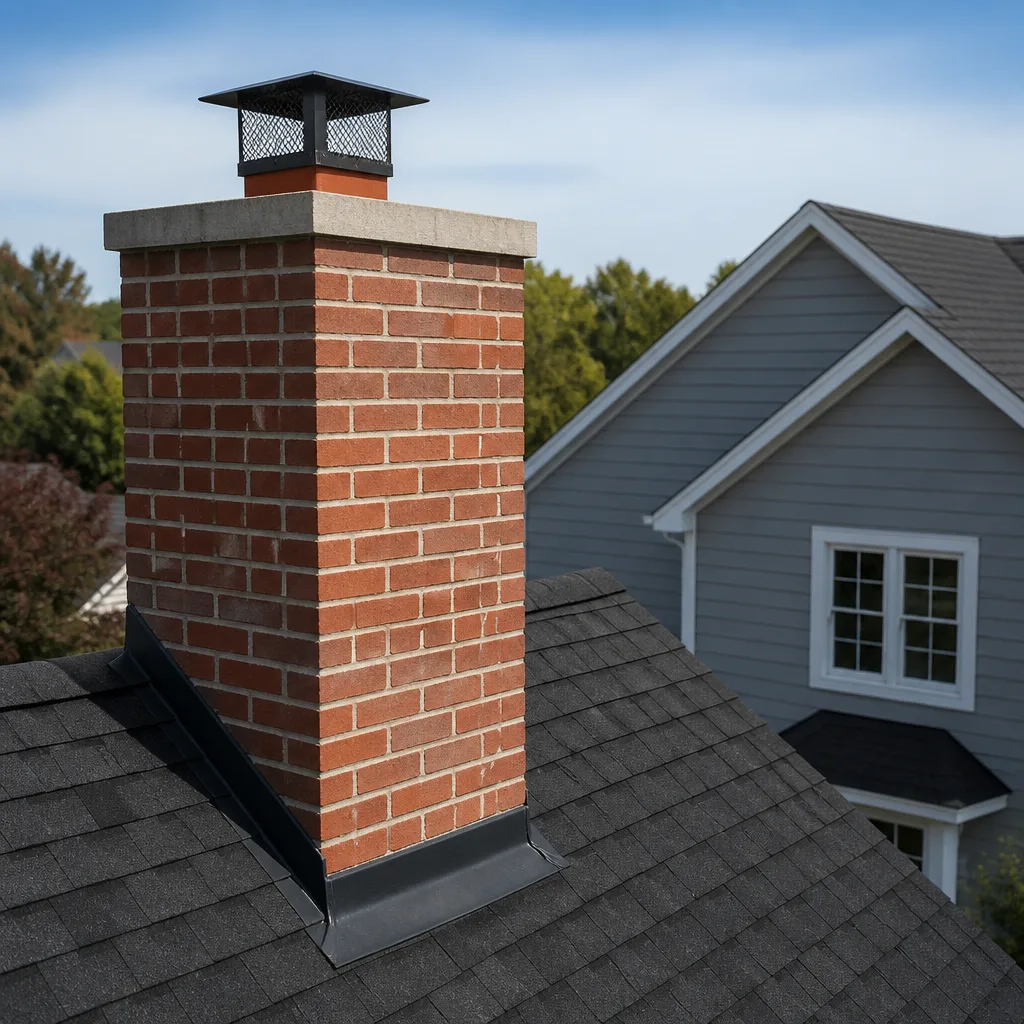
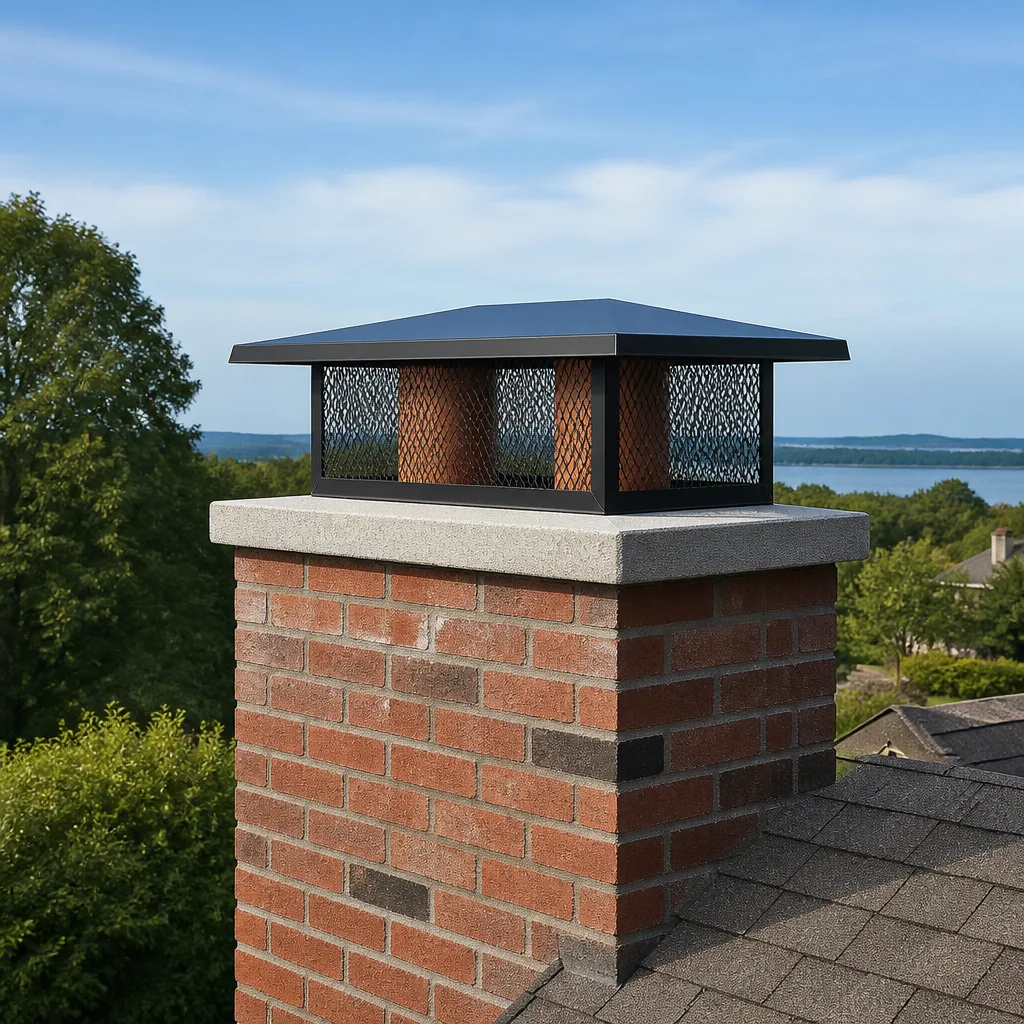
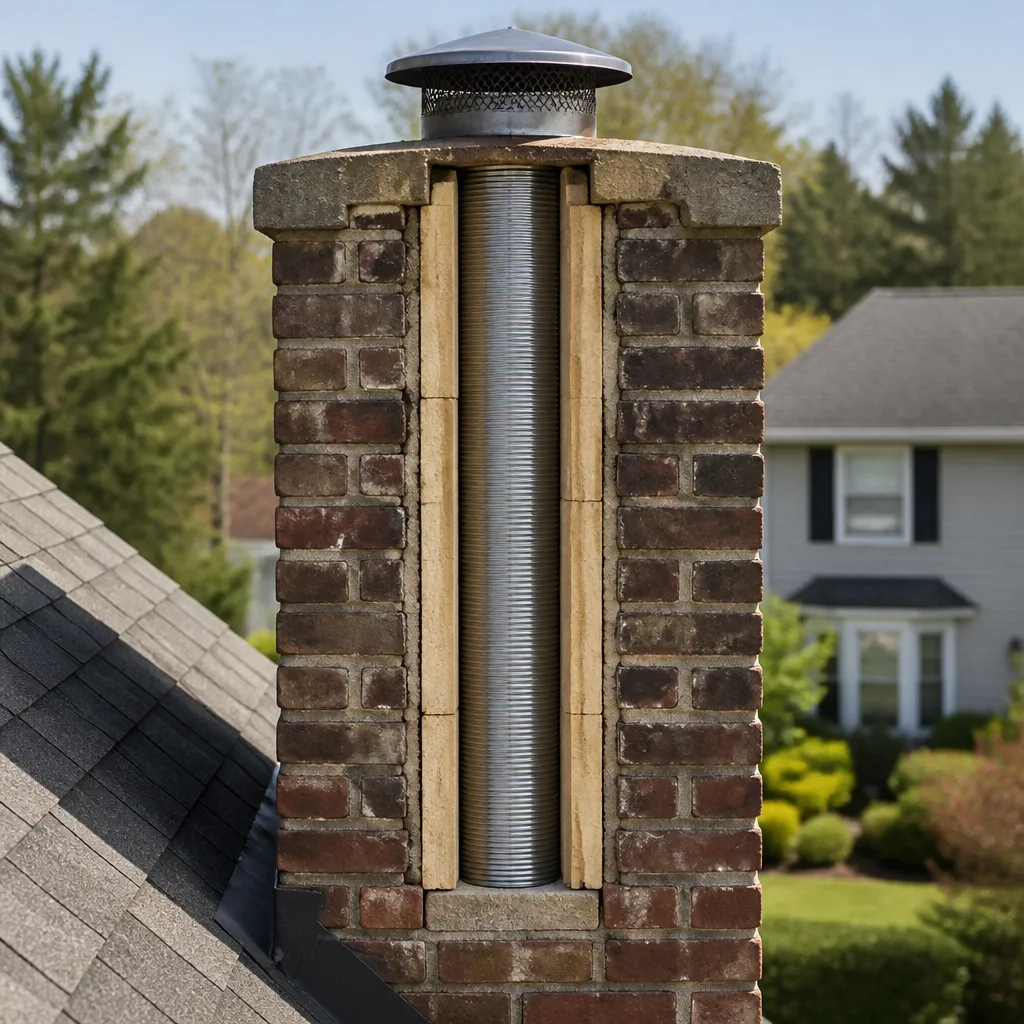
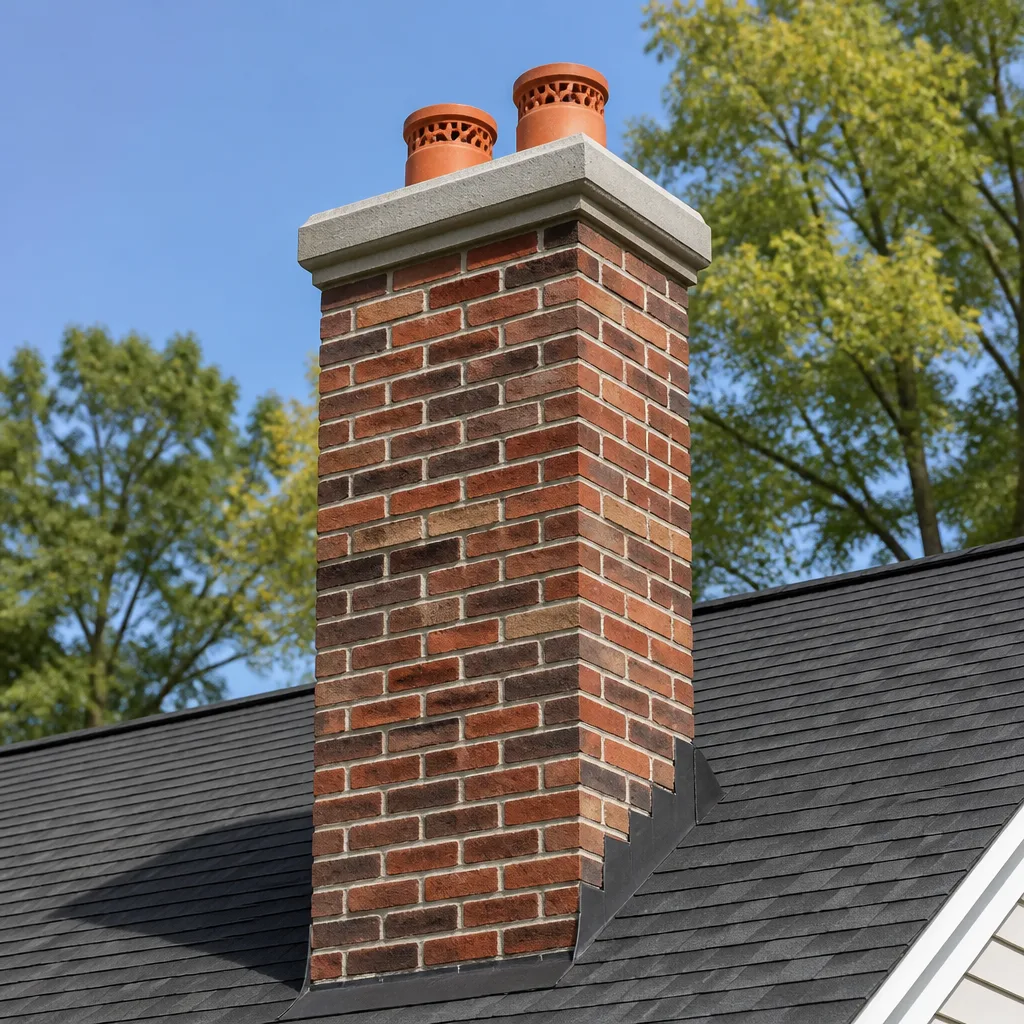
Level 1 sweep and inspection to the NFPA 211 annual standard - flue, crown, cap, and flashing checked and photographed
Chimney sweep logs do not sweep chimneys. They loosen some creosote - which then falls where a brush and vacuum still have to collect it.
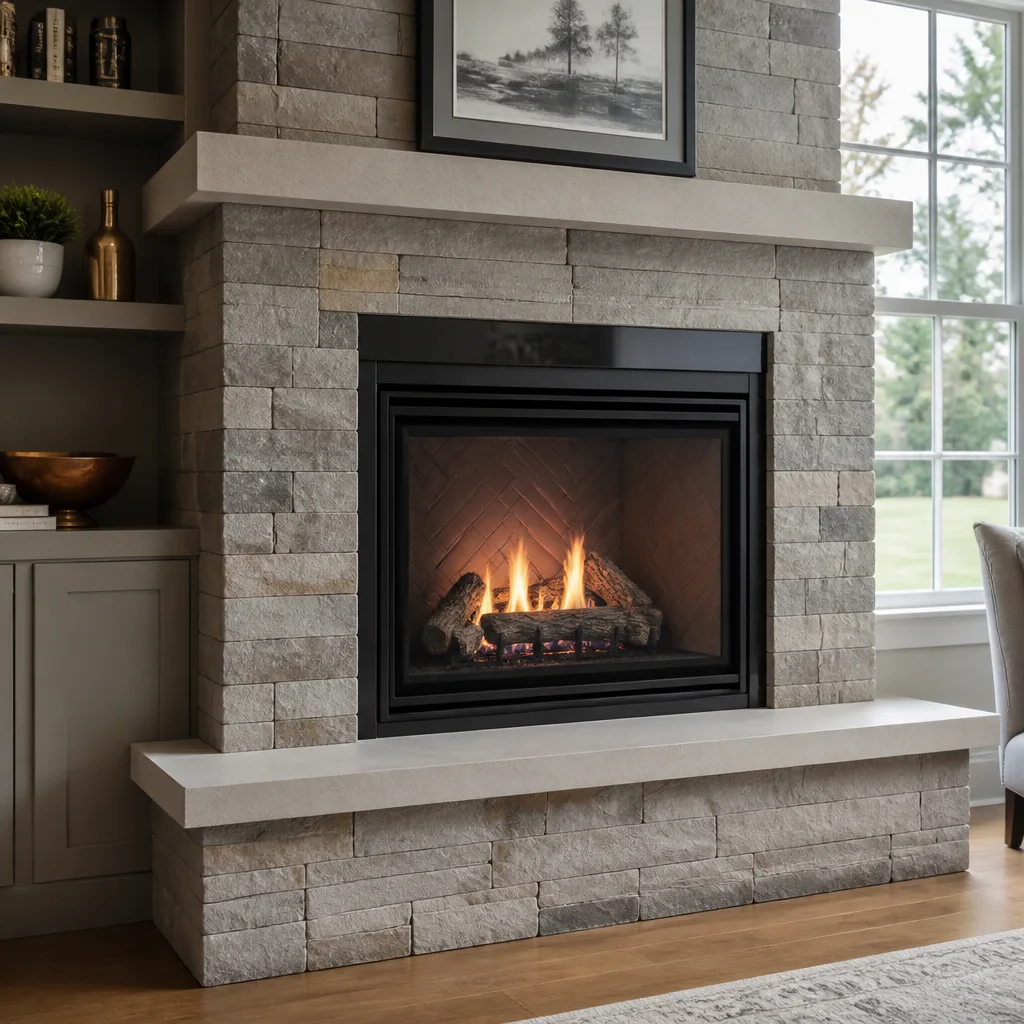
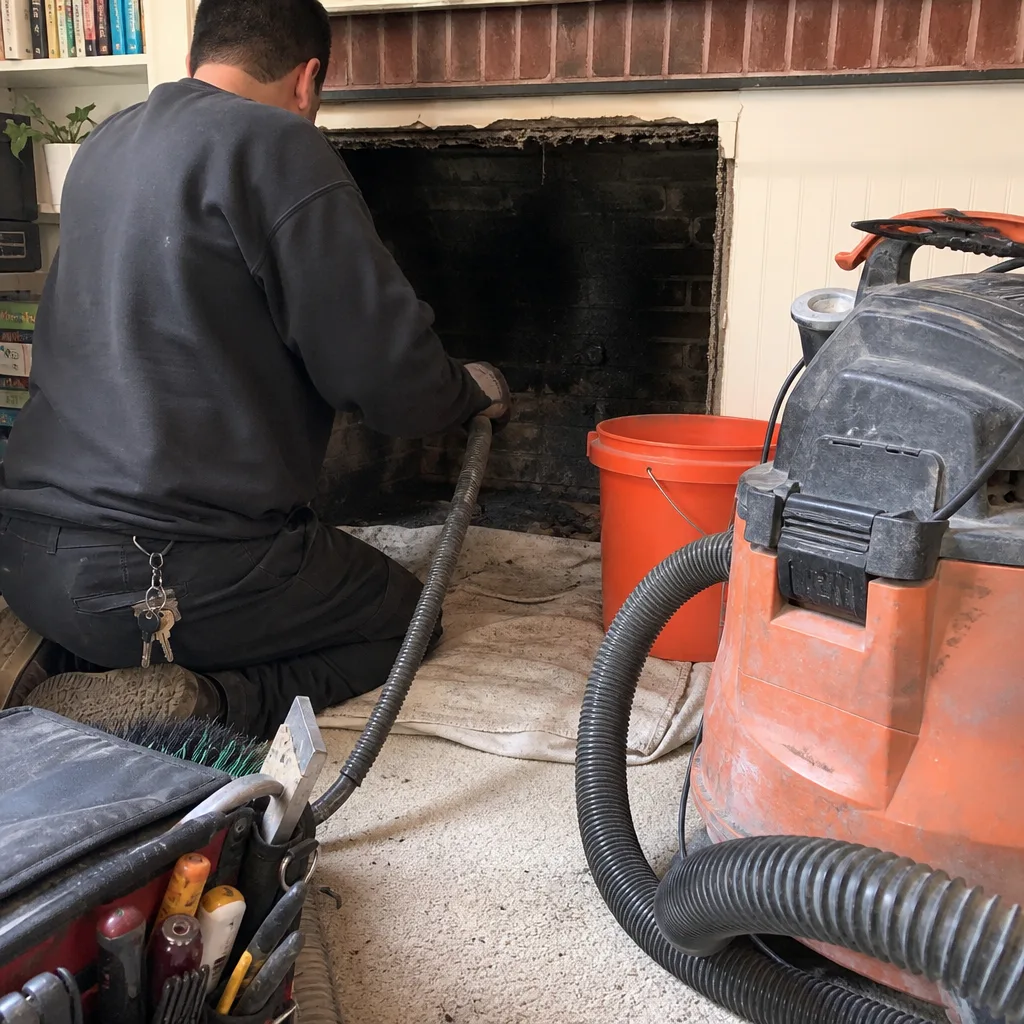 Before
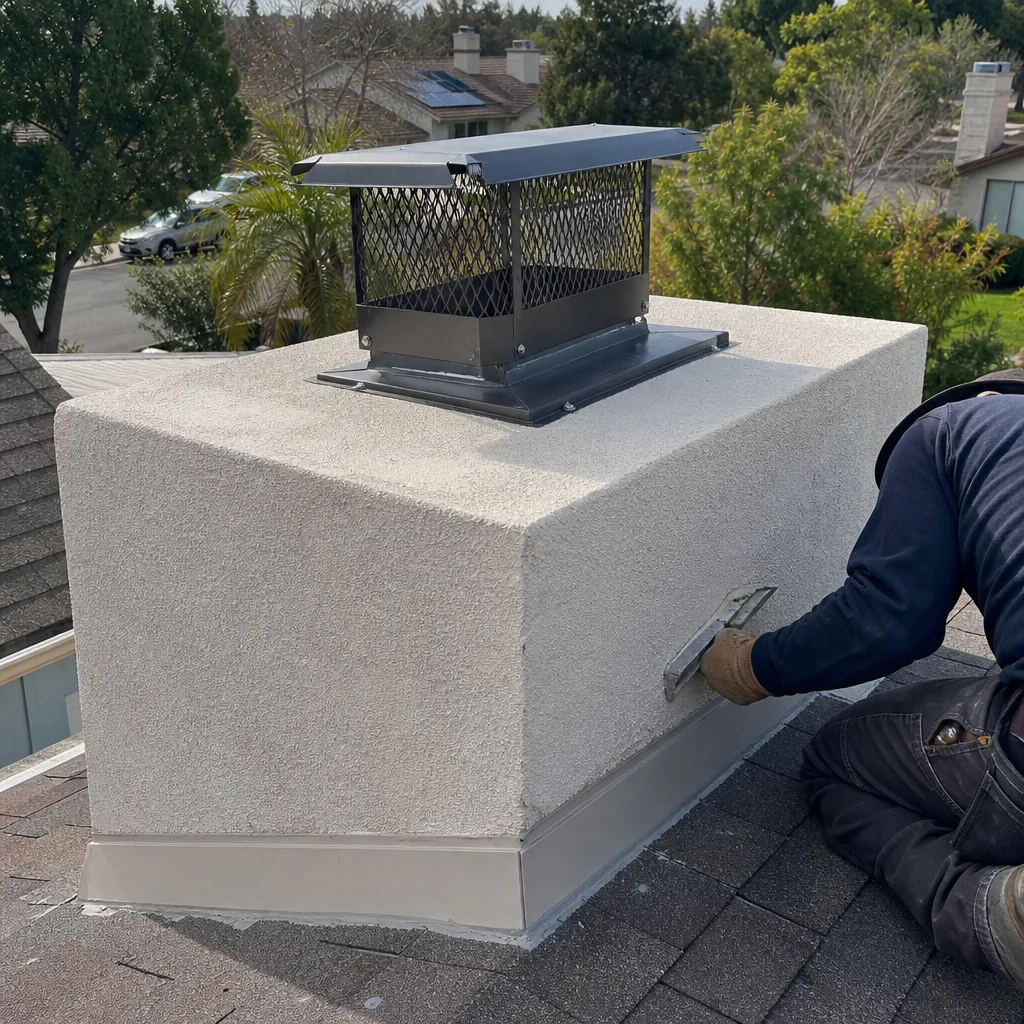 After
After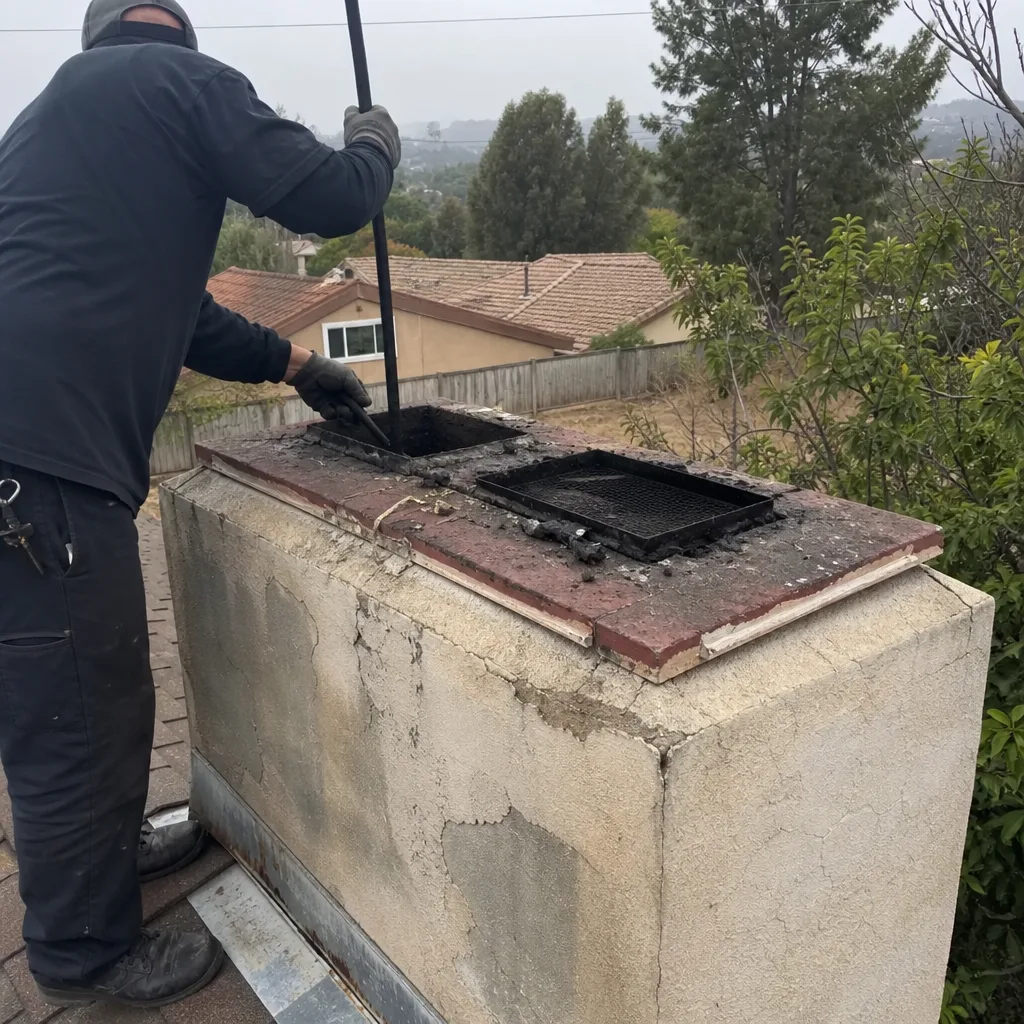 Before
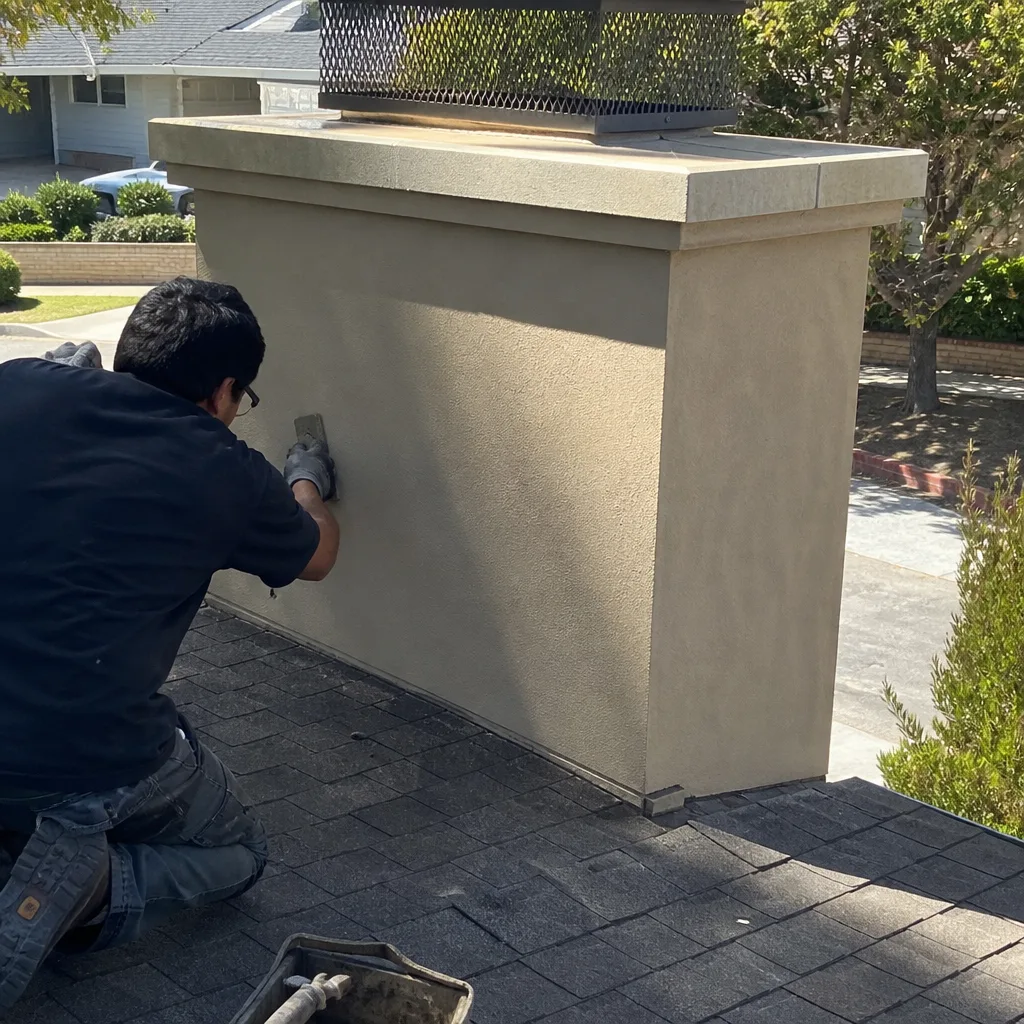 After
After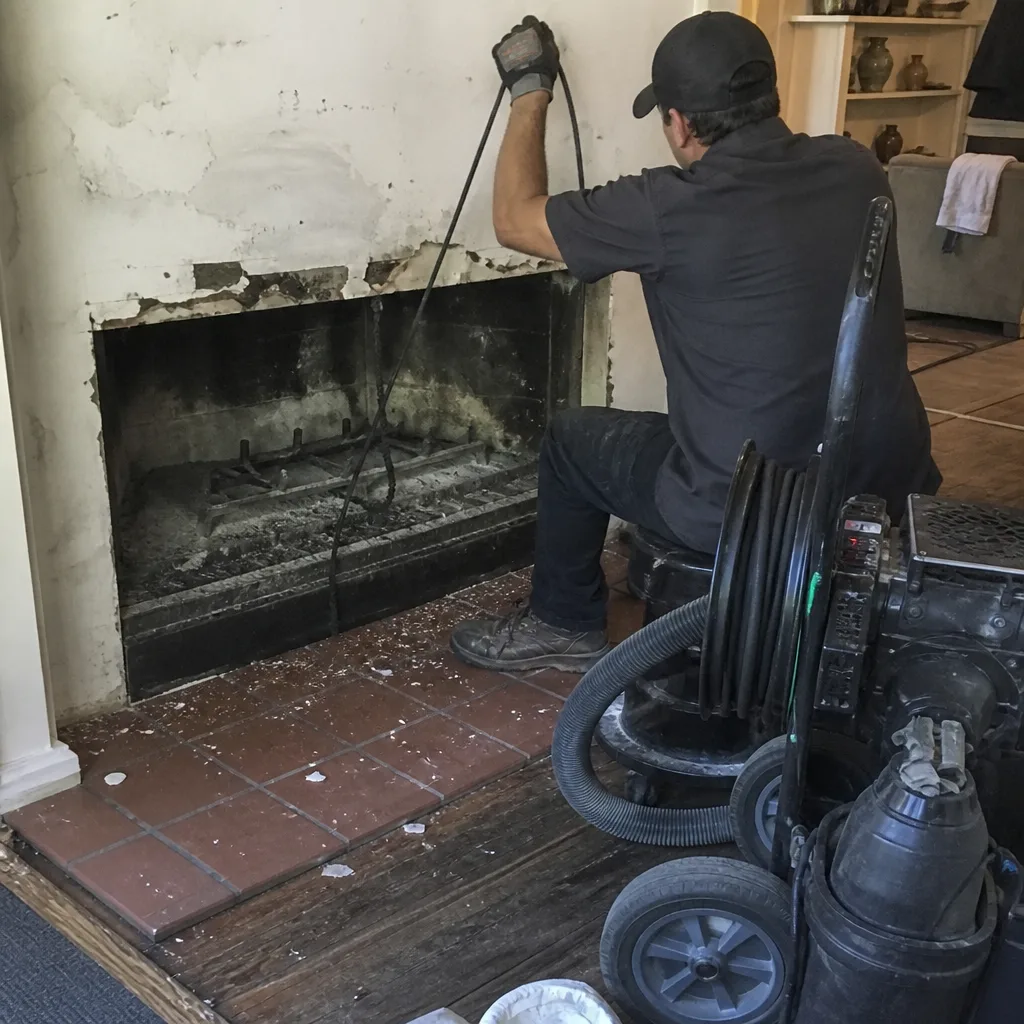 Before
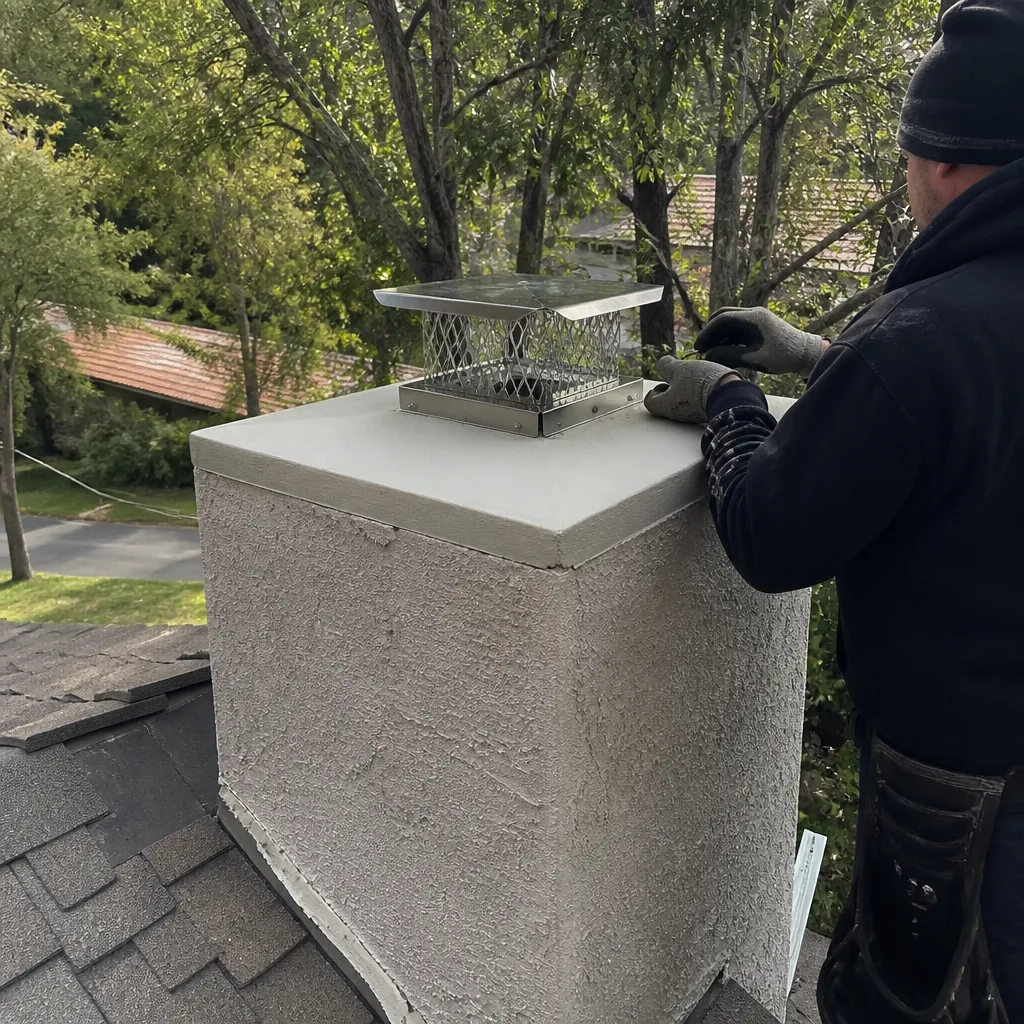 After
AfterChimney Cleaning Warning Signs: A Thousand Oaks Homeowner’s Reference Guide
Smoke backing into your living room and a white stain on your exterior masonry are both called “warning signs” in most guides - but one is a combustion safety failure and the other is a slow moisture problem. Conflating them is how contractors justify urgency on work that isn’t urgent, and how genuinely dangerous conditions get buried in noise. In Thousand Oaks, where our Santa Ana wind cycles and mild, wet winters create specific masonry stress patterns, knowing which sign means what can save you from both a chimney fire and an unnecessary $4,000 repair bill. This guide assigns every common symptom to a clear risk tier, shows you what the camera sees versus what your eye sees, and explains how to document warning signs so your technician arrives with context. For related guidance, see our Complete Guide to Chimney Cleaning in Thousand Oaks.
Quick Answer
The most serious chimney warning signs in Thousand Oaks homes include smoke entering living spaces, visible cracks in the flue liner, and rusted damper plates that indicate water infiltration - all require immediate professional inspection. Less urgent but important signs include minor exterior efflorescence (white mineral staining), light surface spalling, and draft irregularities on windy days, which should be evaluated within 30 days. Cosmetic issues like slight discoloration of firebrick or minor mortar weathering can be monitored annually without immediate action, provided a camera-scan inspection confirms the flue liner remains intact.
Table of Contents
- The Tiered Warning Sign System: Stop, Schedule, or Monitor
- What the Camera Sees vs. What Your Eye Sees
- Thousand Oaks-Specific Warning Signs: Earthquake and Climate Stress
- Oversold “Emergencies” and Undersold Real Problems
- How to Document Warning Signs Yourself
- Common Mistakes to Avoid
- When to Call a Professional
- Frequently Asked Questions
 Before
 After
AfterThe Tiered Warning Sign System: Stop, Schedule, or Monitor
Most chimney warning sign guides fail because they treat every symptom as equally urgent. After 38,000 inspections across Ventura and Los Angeles counties, we’ve learned that homeowners make better decisions when symptoms are sorted by consequence, not by how alarming they look.
Tier 1: Stop Using the Fireplace Immediately
These signs indicate active combustion safety failure or structural collapse risk. Continuing to burn creates immediate hazard.
- Smoke or carbon monoxide entering living spaces. This means the flue is not containing combustion byproducts. Causes include blocked flue, cracked liner, or negative pressure from HVAC systems common in newer Thousand Oaks construction. Do not burn again until a camera-scan inspection identifies the failure point.
- Visible pieces of flue tile in the firebox. The terracotta liner is disintegrating. Each missing piece exposes combustible framing to flue gases and potential ignition. This is a fire hazard, not a maintenance item.
- Strong, persistent odor of creosote when the fireplace is not in use. Indicates heavy Class III creosote buildup, which ignites at lower temperatures and burns with explosive force. The smell means volatile compounds are off-gassing into your home.
- Damper plate that will not fully open or close, or visible rust on damper hardware. Rust means water is entering the flue from above. A stuck damper can trap smoke or prevent proper draft. Both conditions require immediate evaluation of the chimney crown, cap, and flue interior.
Tier 2: Schedule Inspection Within 30 Days
These conditions worsen predictably and can escalate to Tier 1 if ignored, but do not require immediate shutdown if the fireplace is used sparingly and carefully.
- Draft problems specific to windy conditions. Thousand Oaks experiences persistent Santa Ana winds, particularly October through April. If your fireplace smokes only during wind events, the issue is often cap design or chimney height relative to roof ridges, not flue failure. Still, draft irregularities deposit creosote unevenly and can reverse under pressure.
- Minor exterior efflorescence. White powdery stains on masonry indicate moisture moving through the brick and depositing salts. In Thousand Oaks, this often follows winter rains on south-facing chimney exposures that thermal-cycle dramatically. Efflorescence itself is not structural damage, but it signals water entry that will eventually cause spalling if the source isn’t found.
- Light surface spalling on brick faces. Small flakes or pits in the brick surface, usually on the weather side. The brick is beginning to fail from freeze-thaw or moisture expansion. Thousand Oaks rarely freezes hard, but our rapid temperature swings after winter rain events create similar stress.
- Smoke stains on exterior masonry above the chimney opening. Indicates incomplete combustion or downdraft, often from a flue that is too cold, too short, or partially obstructed. Not immediately dangerous, but creosote accumulation accelerates.
Tier 3: Note and Monitor
These findings are cosmetic or early-stage. Document with photos, confirm with annual camera-scan inspection, and address only if progression is confirmed.
- Slight firebrick discoloration. Normal thermal aging. Darkening near the firebox floor is expected. Cracking or missing pieces are not.
- Minor mortar weathering between exterior bricks. Surface erosion of pointing is normal over decades. Receding mortar joints that allow water behind the face are not.
- Small, stable hairline cracks in exterior crown concrete. If the crack does not widen seasonally and water does not pool, monitoring is reasonable. Active widening or water penetration requires crown repair or replacement with proper slope and drip edge.
The key distinction: Tier 1 conditions compromise the flue’s ability to contain fire and gases. Tier 2 and 3 conditions compromise the chimney’s long-term durability. Both matter, but they do not matter on the same timeline.
What the Camera Sees vs. What Your Eye Sees
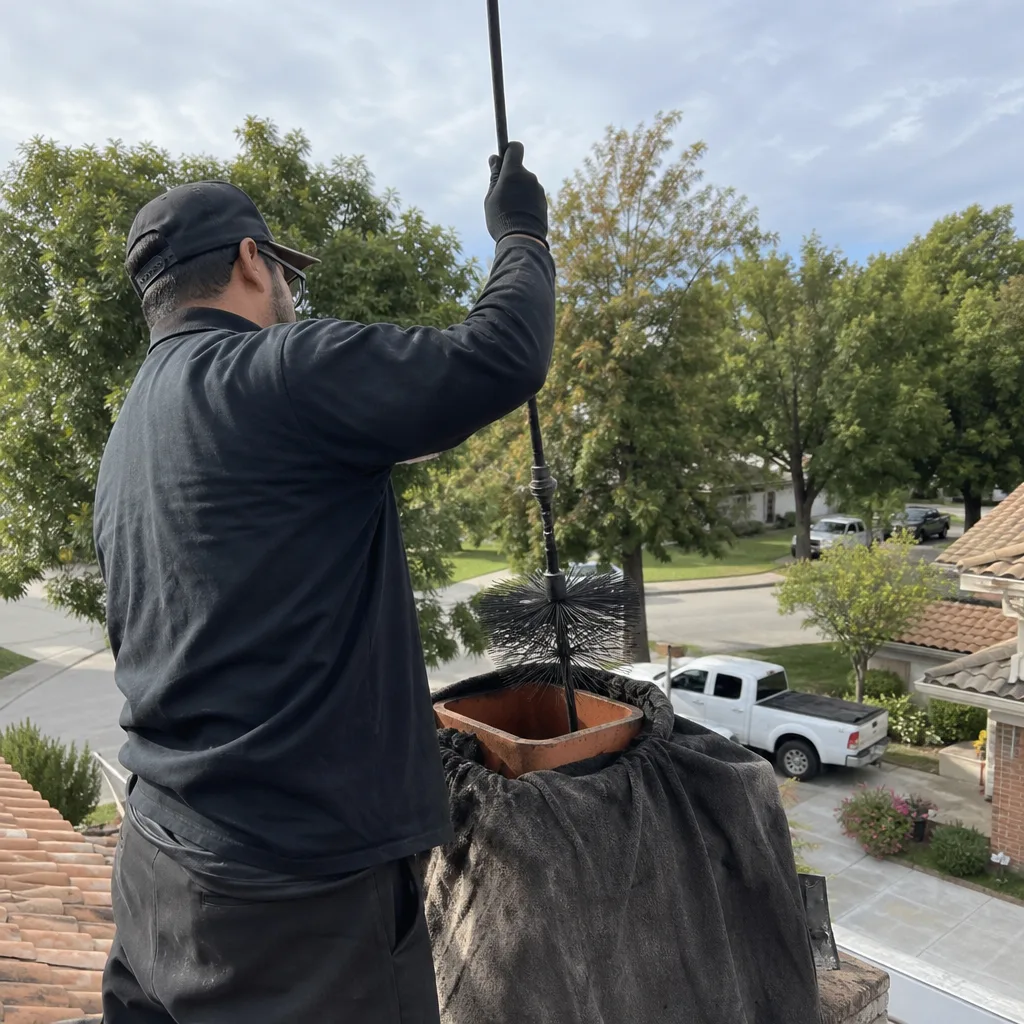
Homeowners evaluate chimneys from two vantage points: the firebox opening, looking up, and the exterior, looking at brick and crown. Neither view shows what matters most. The Chimney Cleaning & Sweep in Thousand Oaks process we follow includes a camera-scan inspection of the full flue length, and the gap between what you see and what the camera finds is where expensive mistakes happen.
Scenario: You See Smoke Staining on the Firebox Walls
From the firebox, smoke stains look like evidence of a drafting problem. The camera often reveals the actual cause is a partially detached flue tile joint three feet above the smoke chamber, allowing gases to leak into the masonry cavity before ever reaching the chimney top. The stain location misleads you about the failure location. We’ve found this exact pattern in Level Two Chimney Thousand Oaks home inspections across the Lang Ranch and North Ranch areas, particularly in homes built 1985-1995 with terracotta liner systems that are now reaching end of service life.
Scenario: You See White Staining on Exterior Brick
Efflorescence on the outside suggests water entry from above. The camera frequently shows the flue liner is dry and intact, while the actual source is failed crown sealant or missing cap flange allowing water to run between the flue and masonry shell. The repair is crown or cap work, not liner replacement, but a contractor who doesn’t run the camera may quote liner work based on the exterior symptom alone.
Scenario: You See Nothing Wrong
This is the most dangerous gap. In 2023, we inspected a chimney in the Dos Vientos area where the homeowner reported no symptoms. The firebox looked clean. The exterior showed minor weathering. The camera revealed a three-foot vertical crack in the flue liner directly behind a structural support beam, with light char visible on the wood. The previous sweep had done a “flashlight inspection” from the firebox opening and missed it entirely. That’s why Clause 4 of the Haven Standard requires a photo record on every job - not as a sales tool, but as a documentation standard that catches what the eye cannot.
What the camera sees: flue liner condition by joint and segment; smoke chamber wall integrity; damper plate position and corrosion; creosote class and thickness by location; obstructions or animal nesting; water streaking patterns that indicate source. What your eye sees: shadows, stains, and the top three feet of flue if you’re lucky. The difference determines whether you spend $300 on maintenance or $3,000 on unnecessary repair.
Thousand Oaks-Specific Warning Signs: Earthquake and Climate Stress
Thousand Oaks sits in a complex seismic zone with the Simi-Santa Rosa fault system nearby and the broader Ventura Basin tectonics creating persistent low-level ground motion. Our climate adds wet winters, dry summers, and Santa Ana wind cycles that pressurize chimneys differently than coastal or inland extremes. Together, these create warning sign patterns that generic guides miss.
Earthquake-Induced Hairline Cracks in Firebox Masonry
The 1994 Northridge earthquake damaged thousands of chimneys across Ventura County, but the more insidious pattern is micro-damage that propagates slowly. Hairline cracks in firebox refractory panels or surrounding masonry often seal themselves with soot and appear stable for years. Thermal cycling from fireplace use gradually widens them. By the time a crack is visible to the homeowner, it may have opened a path for combustion gases into wall cavities.
What to look for: zigzag crack patterns in firebrick that follow mortar joints rather than cutting through brick; cracks that appear or widen during the first burns of season after summer dormancy; new gaps between refractory panels and firebox walls. These are often invisible until the firebox is thoroughly cleaned and illuminated. Our Fireplace Services in Thousand Oaks include panel evaluation, but the critical step is recognizing the pattern during your own pre-season check.
Santa Ana Wind Draft Reversal
Thousand Oaks chimneys, particularly on ridge-top properties in Westlake Village-adjacent areas and upper North Ranch, experience pressure differentials during Santa Ana events that can reverse draft or suppress it entirely. The warning sign is inconsistent smoking that correlates with wind direction, not with fire size or fuel type. Homeowners often misdiagnose this as a flue obstruction and pay for unnecessary sweeping.
The camera shows: normal flue condition, normal creosote levels, but possible insufficient chimney height relative to roof ridge or nearby terrain. The fix is often cap modification or height extension, not flue work. Documenting wind direction and time of day when smoking occurs helps us confirm this pattern before running the camera.
Coastal Moisture Intrusion from Marine Layer Push
While Thousand Oaks is inland, strong marine layer pushes, particularly in late spring and early fall, can saturate chimney exteriors that have heated all day and then cool rapidly. This thermal shock accelerates crown deterioration and mortar weathering on west and southwest exposures. The warning sign is efflorescence that appears or intensifies within 48 hours of marine layer events, not after rain. Tracking this pattern helps distinguish atmospheric moisture intrusion from cap or crown failure.
Oversold “Emergencies” and Undersold Real Problems
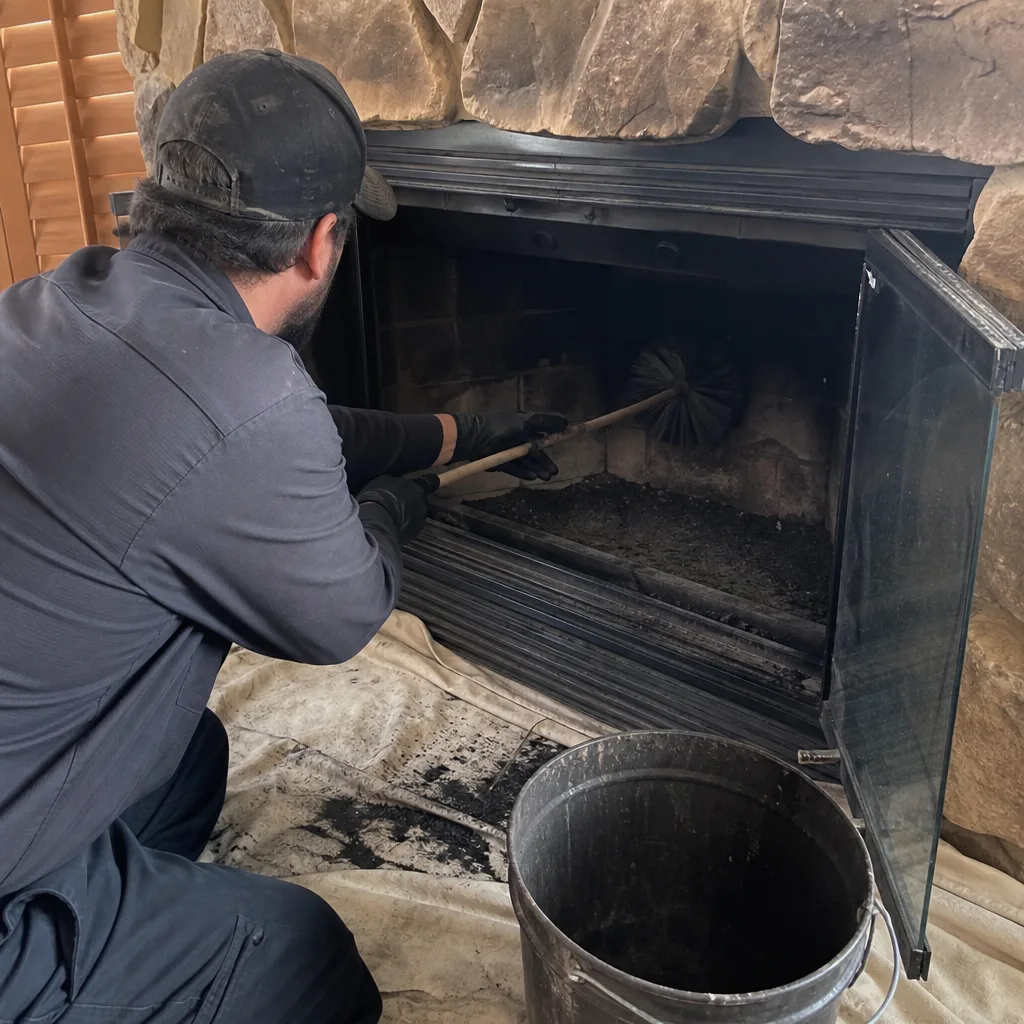
The chimney industry has an incentive problem: overselling urgency on visible, comprehensible symptoms while underselling gradual, hidden deterioration. Knowing which is which protects both your safety and your budget.
Consistently Oversold
Minor efflorescence. A contractor points to white staining and describes “water destroying your chimney from inside.” In most Thousand Oaks cases, this is surface salt deposition from minor cap seal failure or normal moisture breathing. The correct response is cap evaluation and possible sealant renewal, not $2,000-$4,000 in masonry rebuild. We provide free second opinions on any written estimate for this exact reason.
Light surface spalling. Small flakes on brick faces are described as “brick failure requiring rebuild.” If the spall depth is under 1/4 inch, the brick structural integrity is intact. Monitor, photograph, and re-evaluate in 12 months. Rebuild is only indicated when spalling exposes the inner brick body or multiple adjacent bricks are failing.
“Dangerous” creosote in a barely-used fireplace. A thin, powdery layer of Class I creosote in a fireplace burned fewer than 20 times annually is normal and expected. It becomes hazardous only when it accumulates to measurable thickness or glaze-hardens to Class III. Beware the sweep who shows you soot and calls it creosote.
Consistently Undersold
Smoke chamber deterioration. The smoke chamber is the area above the damper where the fireplace transitions to the flue. Building codes since the 1940s have required it to be parge-coated smooth, but many Thousand Oaks homes, especially pre-1980 construction in the older central neighborhoods, have corbeled brick or rough masonry that creates turbulence and creosote accumulation. The camera reveals this; the flashlight inspection misses it. Parge coating or Chamber-Tech application is specialized work that many sweeps don’t perform, so they don’t mention it.
Rusted damper plate. Rust indicates chronic water entry, which means the crown, cap, or flue top is compromised. It also means the damper will eventually seize or fail to seal, wasting heating and cooling energy year-round. The undersell happens because damper replacement is fiddly, low-margin work compared to liner sales.
Missing or deteriorated chimney cricket. On chimneys wider than 30 inches, code requires a cricket (saddle) on the upslope side to divert water. Many Thousand Oaks homes from the 1970s-1990s lack crickets or have original galvanized versions that have rusted through. Water pools behind the chimney, saturates the roof deck, and enters the flue chase. This is roof-chimney interface work that requires coordination; it’s often ignored entirely.
Our approach, documented in every written scope under Haven Standard Clause 1, is to describe what we found in plain terms, show you the camera footage, and separate recommendations into safety-required, performance-recommended, and monitor-only categories. No work proceeds without a written price you can compare. Our free second opinion on any competitor’s written estimate exists because we’ve seen too many Thousand Oaks homeowners pressured into unnecessary scope. If you’re evaluating contractors, our step-by-step guide to hiring a chimney cleaning contractor in Thousand Oaks covers the key questions to ask.
How to Document Warning Signs Yourself
Documentation serves two purposes: it gives your technician context before arrival, and it creates a baseline for comparing condition over time. Done poorly, phone photos are useless. Done well, they accelerate accurate diagnosis and protect you from scope inflation.
Photographing Exterior Conditions
- Shoot in diffuse light, not direct sun. Early morning or overcast conditions in Thousand Oaks, common during winter marine layer remnants, reduce glare and show staining patterns clearly. Direct afternoon sun washes out efflorescence and minor spalling.
- Include reference scale. Place a coin or standard object in frame for size reference. A spall that looks dramatic in a tight crop may be 1/8 inch deep; a crack that looks minor may run 18 inches. Scale prevents misinterpretation.
- Capture the full chimney height and the detail. One frame shows crown-to-roline relationship and overall lean or plumb. A second frame isolates the specific condition. Both are necessary.
- Document direction and time. Note which face you’re photographing and when. South-facing efflorescence that appears in January but not July indicates different causes than year-round staining.
Photographing Interior Conditions
- Clean the firebox first. Soot obscures crack patterns. A basic ash removal and surface brushing, which you can do safely with a dust mask and drop cloth, reveals the actual masonry condition.
- Use your phone’s flashlight, not the room light. Angle the light across the surface, not directly at it. Raking light reveals texture changes and hairline cracks that frontal illumination misses.
- Photograph the damper from below, fully open and fully closed. Rust, warping, and incomplete closure are all visible. Note if the damper feels gritty or binds during operation.
- Shoot up the flue if possible. Modern phones with ultrawide lenses can capture surprising detail. You’re looking for obvious obstructions, liner displacement, or heavy soot accumulation, not a substitute for camera inspection.
Creating a Useful Written Record
For each symptom, note: date first observed; any change since then; correlation with weather events or fireplace use; any previous repair or sweep work on that component. This history is more valuable to a technician than the photo alone. When you call Chimney Repair in Thousand Oaks, providing this context lets us target the camera inspection and reduces diagnostic time.
Store photos with date stamps in a dedicated folder. Compare annually, ideally before the burning season begins in October. Progressive change is the signal; static conditions are often monitor-only.
Common Mistakes to Avoid
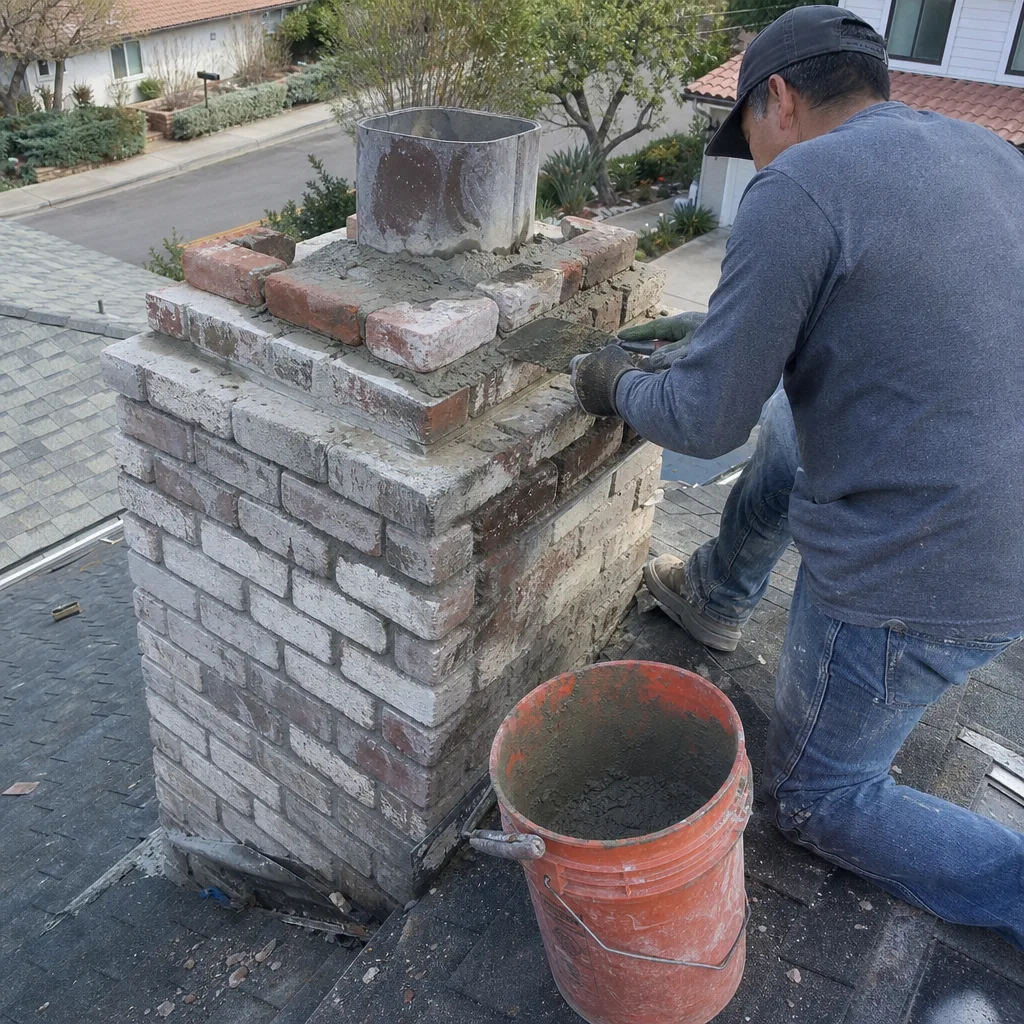
- Assuming a clean firebox means a safe flue. The firebox is the most visible and most easily cleaned component. Creosote buildup, liner cracks, and obstructions occur in the flue where you cannot see. Annual camera-scan inspection is the only verification.
- Treating all cracks as equal. A hairline crack in exterior crown concrete is Tier 3. A crack in the flue liner is Tier 1. A crack in firebox refractory panel that opens with thermal cycling is Tier 2. The location and behavior matter more than the width.
- Ignoring wind-specific symptoms. Thousand Oaks homeowners often dismiss smoking during Santa Ana events as “just the wind.” Persistent wind-related draft problems indicate cap design or chimney height issues that accelerate creosote accumulation and can become dangerous during calm conditions.
- Accepting verbal estimates after inspection. A contractor who discovers a “serious problem” during a sweep and quotes verbally, without written scope and camera documentation, is operating outside Haven Standard Clause 1. Every recommendation should be traceable to specific footage.
- Delaying inspection after any Tier 1 sign. The cost of emergency response to a chimney fire in Ventura County, including Ventura County Fire Department response and potential structural damage, far exceeds the cost of preventive inspection. Smoke in the living space is not a scheduling convenience issue.
- Using the wrong fuel as a diagnostic. Switching from seasoned hardwood to manufactured logs or vice versa to “test” draft changes combustion characteristics and can mask or mimic flue problems. Document behavior with consistent fuel, then call for evaluation.
When to Call a Professional
Call immediately if you experience smoke or carbon monoxide in living spaces, pieces of flue material in the firebox, or a damper that will not operate. These are Tier 1 conditions that require camera-scan inspection before any further use.
Schedule within 30 days for draft irregularities, new exterior staining, or any crack that has visibly widened since your last observation. In Thousand Oaks, where our inspection schedule fills before the October burning season, booking in September for October completion is prudent planning.
Level Two Chimney Thousand Oaks offers free estimates in Thousand Oaks - call (424) 786-6130. Every estimate includes a written scope, written price, and explanation of which Haven Standard clauses apply to your specific work. Our 365-Day Done Right Promise means if it’s not done right, we make it right. Calls are answered by a live person 24 hours a day, 7 days a week.
Frequently Asked Questions
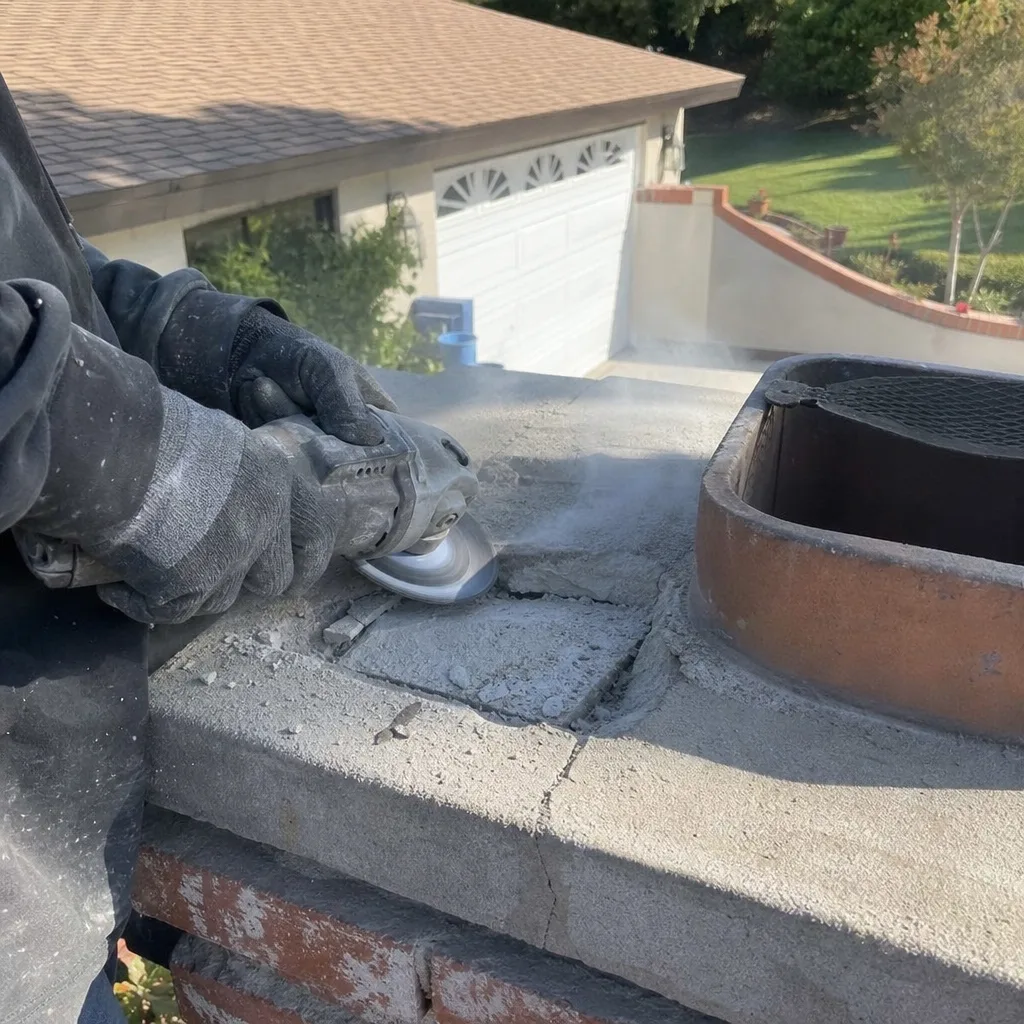
A standard chimney sweep and NFPA 211 Level 2 camera-scan inspection in Thousand Oaks typically ranges from $250 to $450, depending on chimney height, accessibility, and creosote accumulation level. This includes the documented photo record required by Haven Standard Clause 4, not as an add-on. Call (424) 786-6130 for an exact quote - estimates are free.
You need a new liner only if the existing liner is cracked, displaced, or missing segments that the camera can document. In our Thousand Oaks inspections, roughly 30% of recommended liner replacements are actually crown, cap, or damper issues misdiagnosed without camera verification. We provide free second opinions on any competitor’s written liner estimate.
NFPA 211 recommends annual inspection for all chimneys, and sweeping when creosote reaches 1/8 inch thickness. For Thousand Oaks homeowners who burn fewer than 30 fires annually with seasoned hardwood, inspection every 12 months with sweeping every 24-36 months is often sufficient. Heavy use of manufactured logs, which produce more combustion byproducts, may require annual sweeping.
Skipped maintenance leads to progressive creosote accumulation, which increases chimney fire risk and can produce carbon monoxide if draft is compromised. In Thousand Oaks specifically, our temperature swings and occasional freeze events accelerate masonry deterioration once water entry begins. The cost of deferred maintenance typically multiplies by 3-5x when eventually addressed.
You can and should monitor visible conditions as described in this guide, but you cannot evaluate the flue liner, smoke chamber, or upper flue without specialized camera equipment and training. Self-inspection supplements professional evaluation; it does not replace it. Document what you see and share it with your technician.
Wind-induced smoking in Thousand Oaks usually indicates insufficient chimney height relative to roof ridge, improper cap design for our Santa Ana wind patterns, or pressure differentials from tightly sealed modern construction. The flue itself is often clear. A camera inspection confirms flue condition, and height/cap evaluation determines the corrective approach.
The Bottom Line
Chimney warning signs exist on a spectrum of urgency, and treating them all equally serves contractors better than homeowners. The tiered system in this guide - stop immediately, schedule within 30 days, or monitor annually - lets you respond appropriately to each symptom. The camera-scan inspection, not the flashlight look, reveals what actually requires action. In Thousand Oaks, our specific climate and seismic conditions create patterns that generic advice misses. Document what you observe, demand written scope and price before any work begins, and remember that Level Two Chimney Thousand Oaks has applied these standards since 2009, with 38,000 documented inspections to validate them. Explore more guides & resources for Thousand Oaks homeowners.
Written by Corrine Halstead, Owner at Level Two Chimney Thousand Oaks, serving Thousand Oaks since 2009.