
Last updated September 21, 2026
Level 1 sweep and inspection to the NFPA 211 annual standard - flue, crown, cap, and flashing checked and photographed
Chimney sweep logs do not sweep chimneys. They loosen some creosote - which then falls where a brush and vacuum still have to collect it.
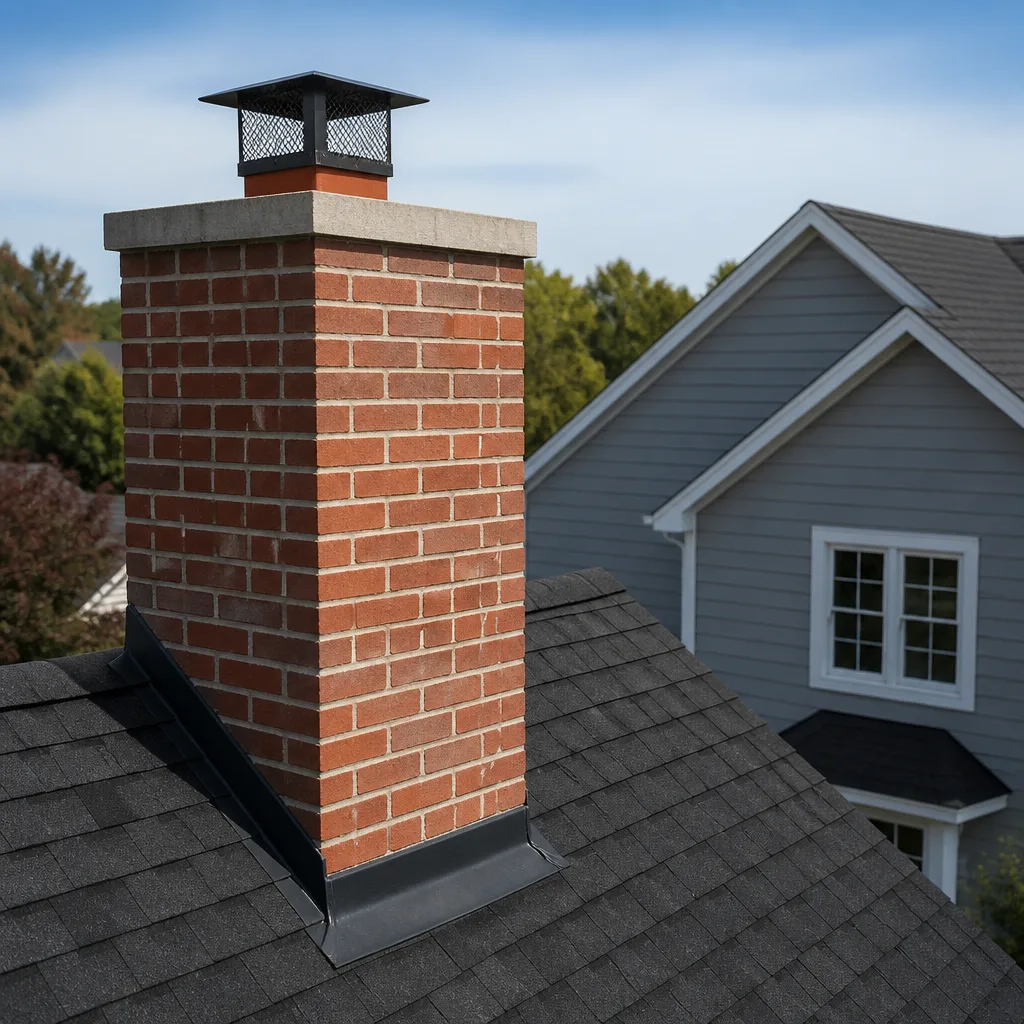
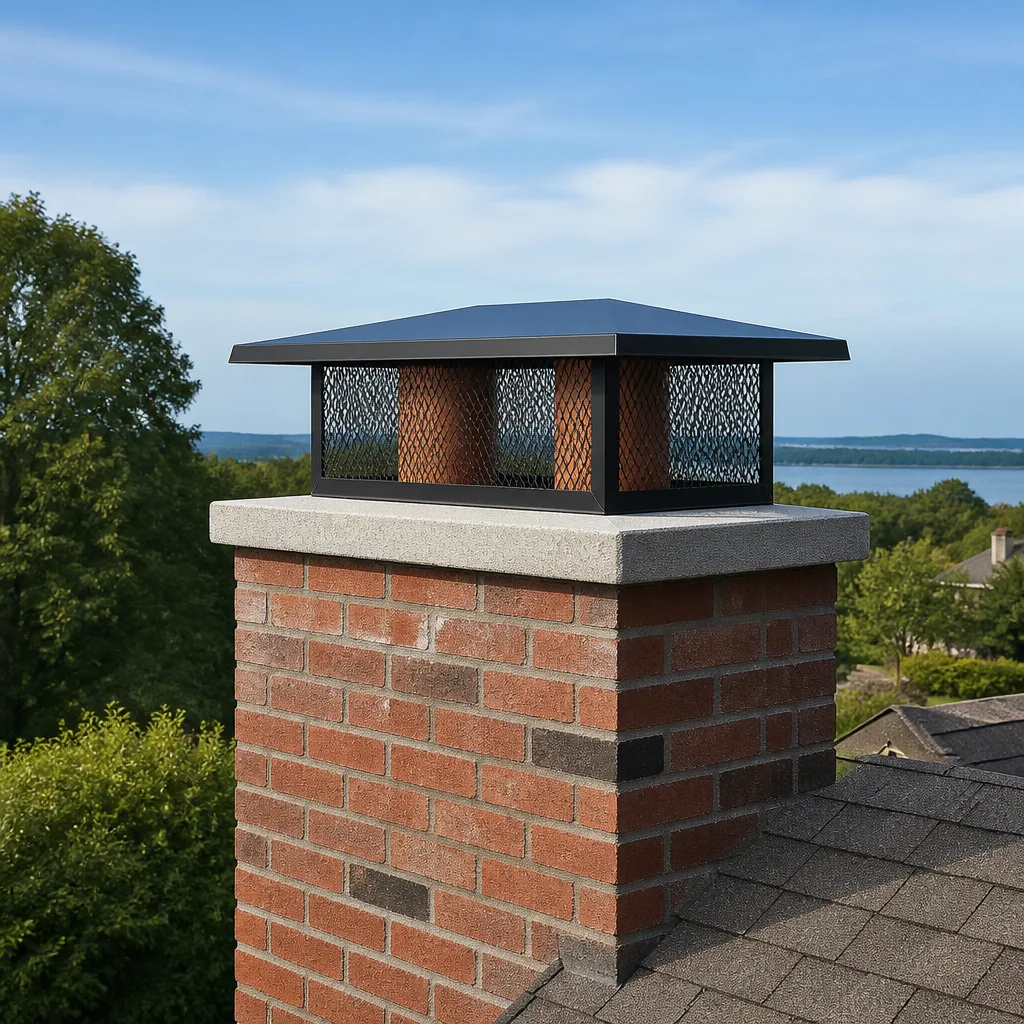
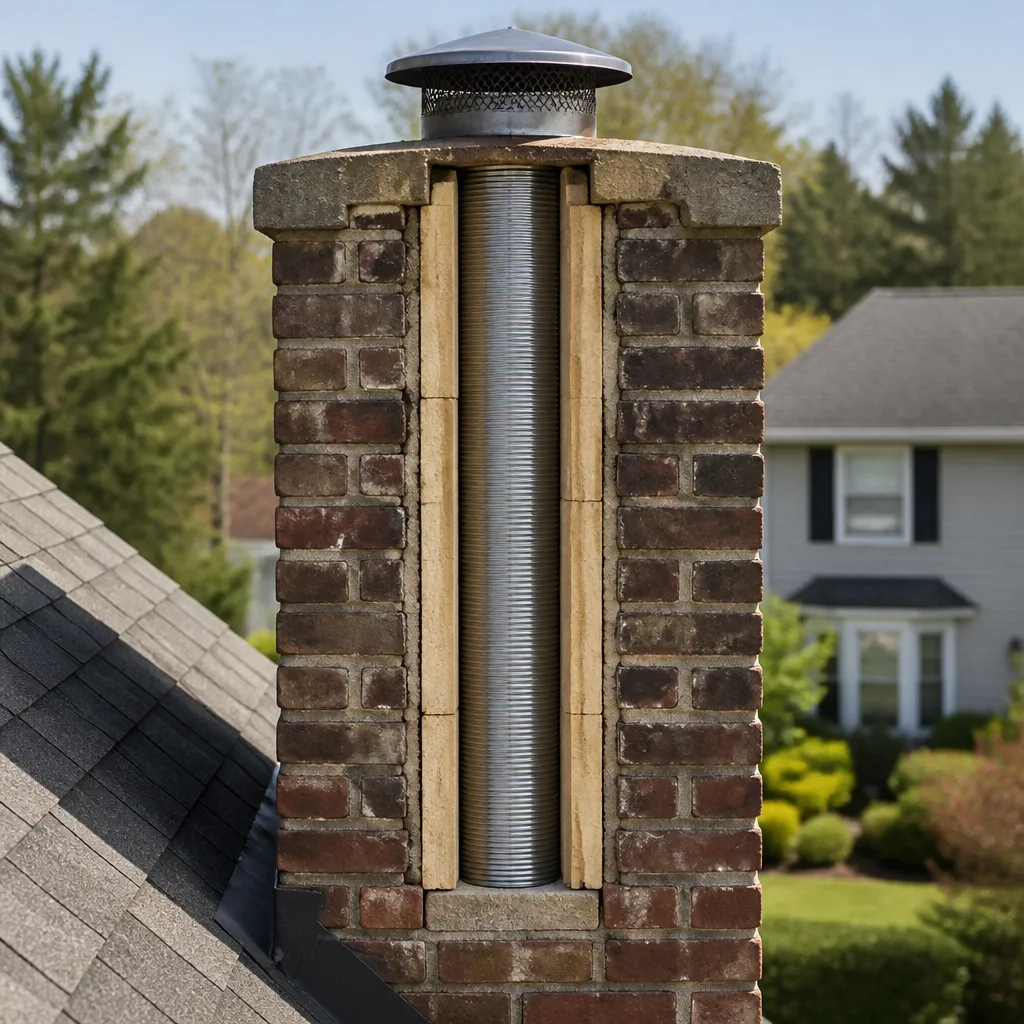
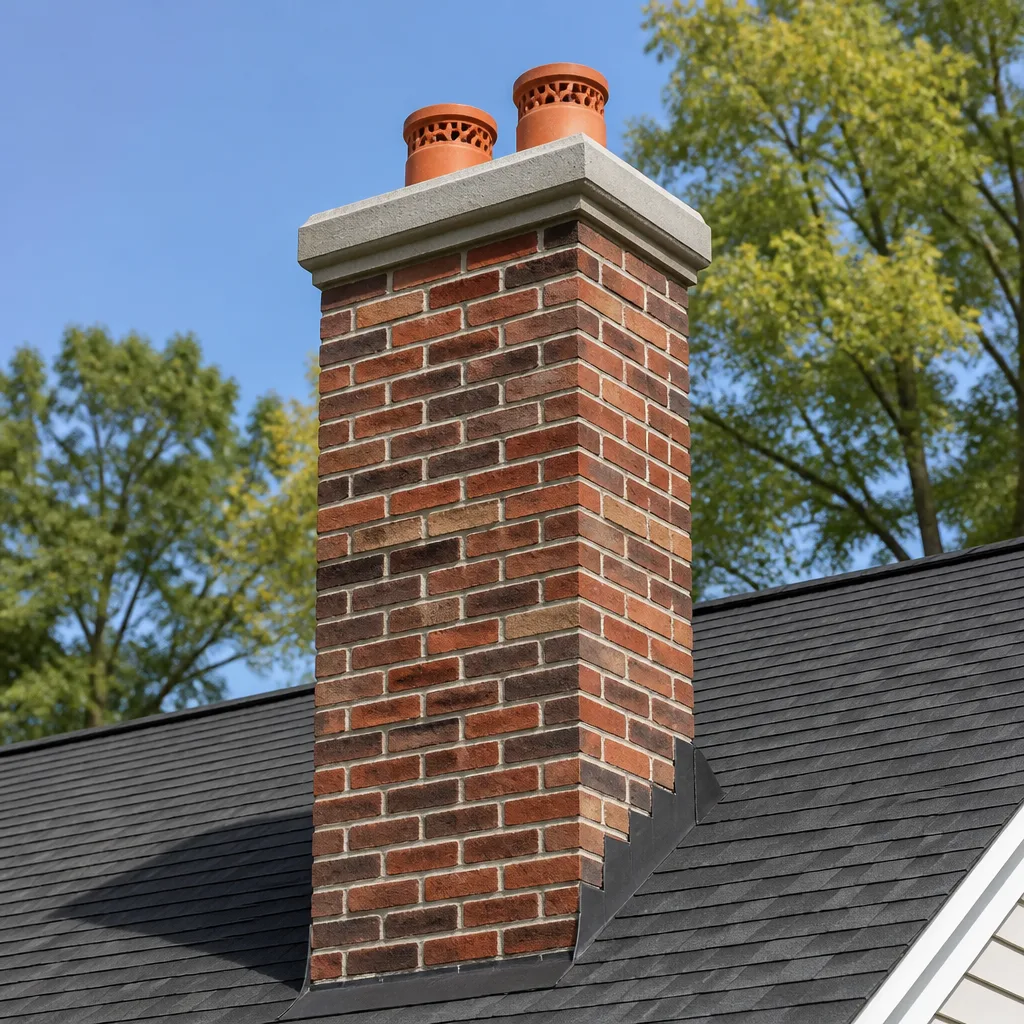
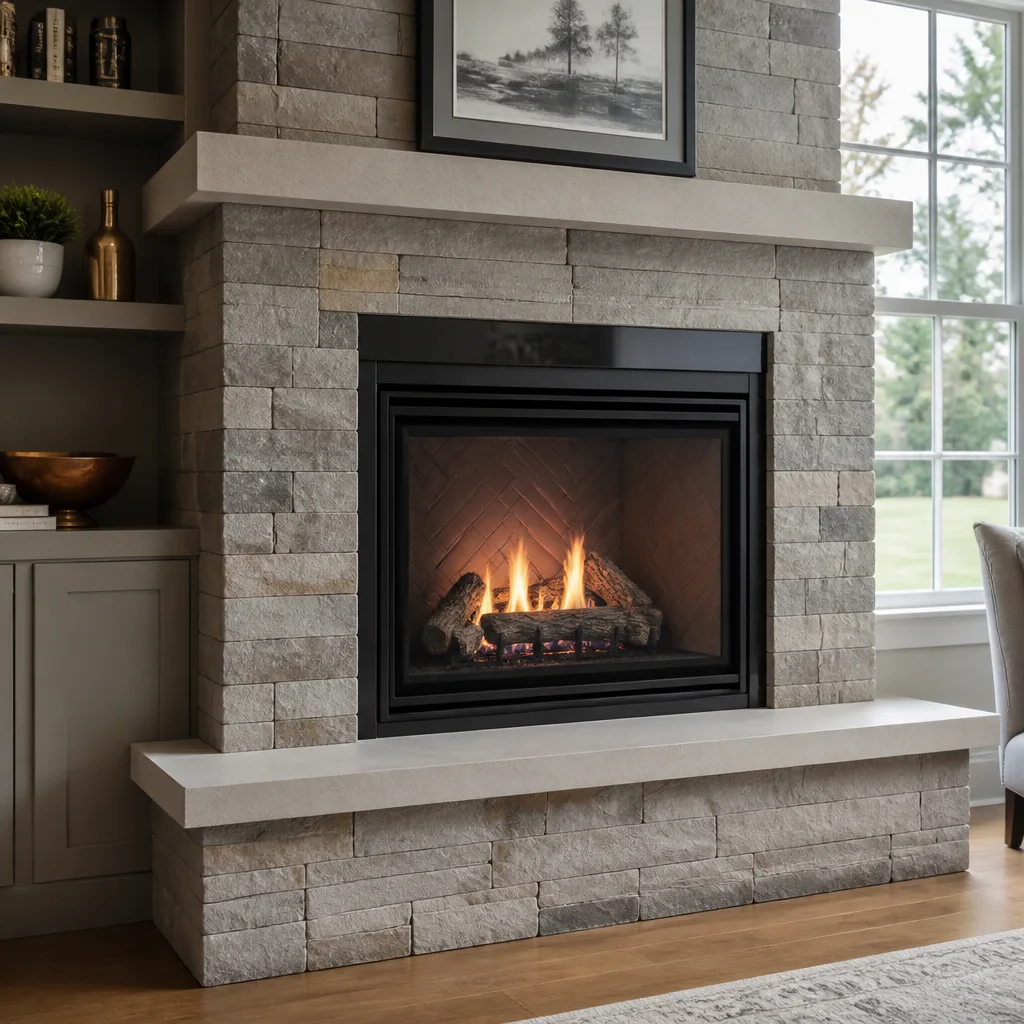
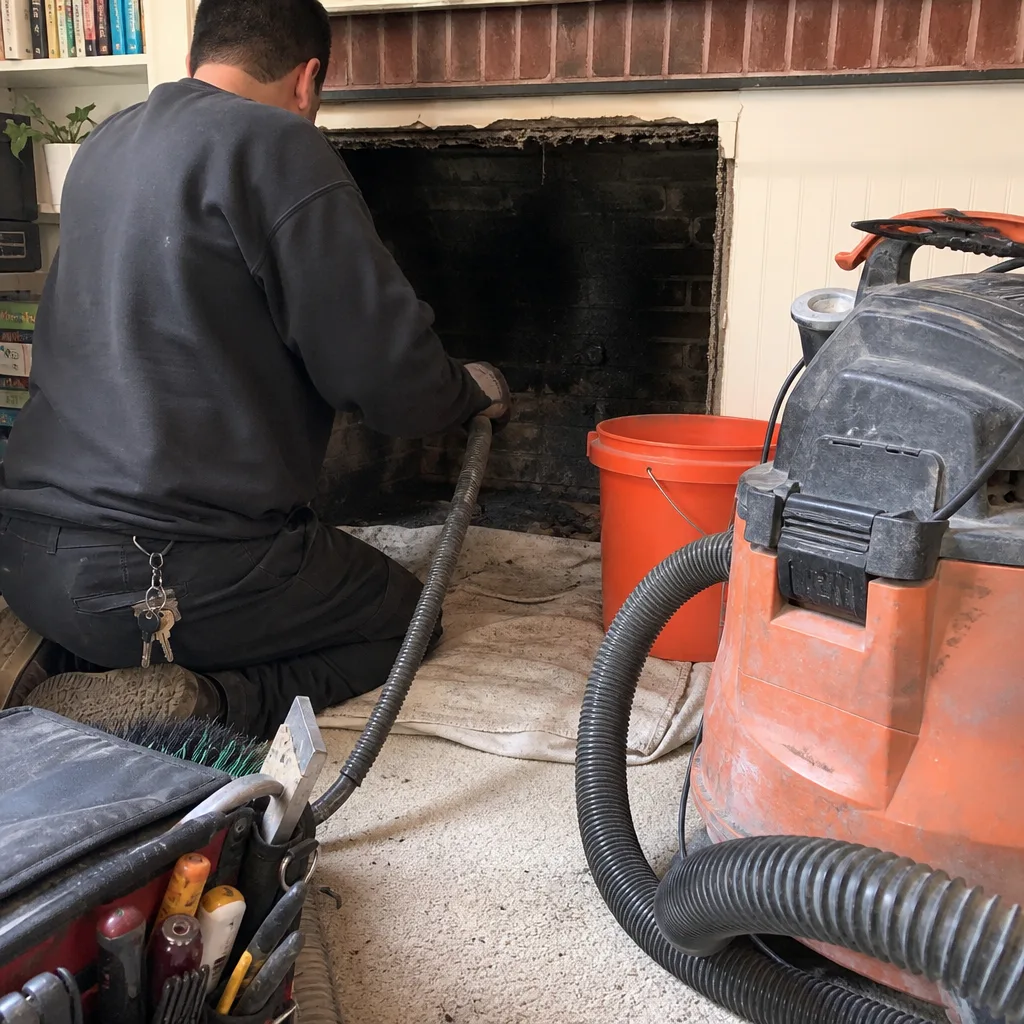 Before
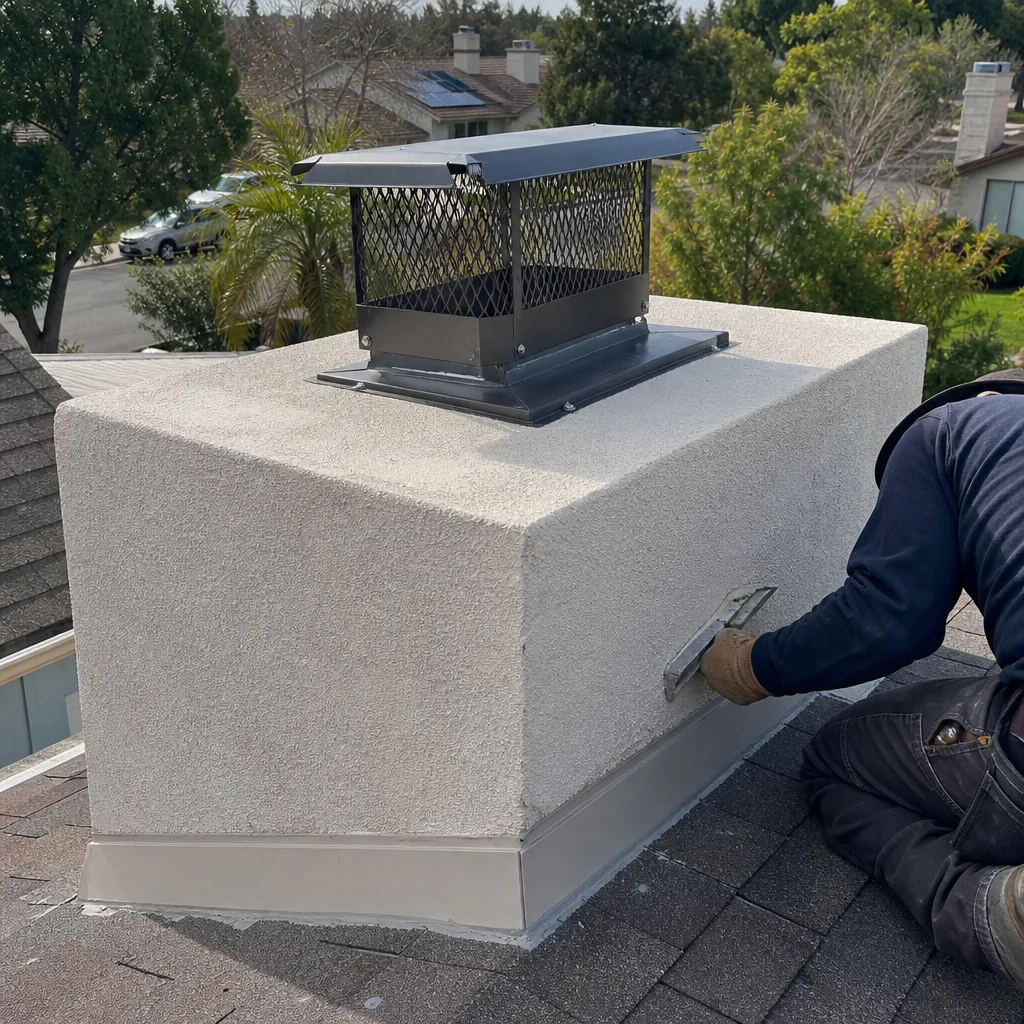 After
After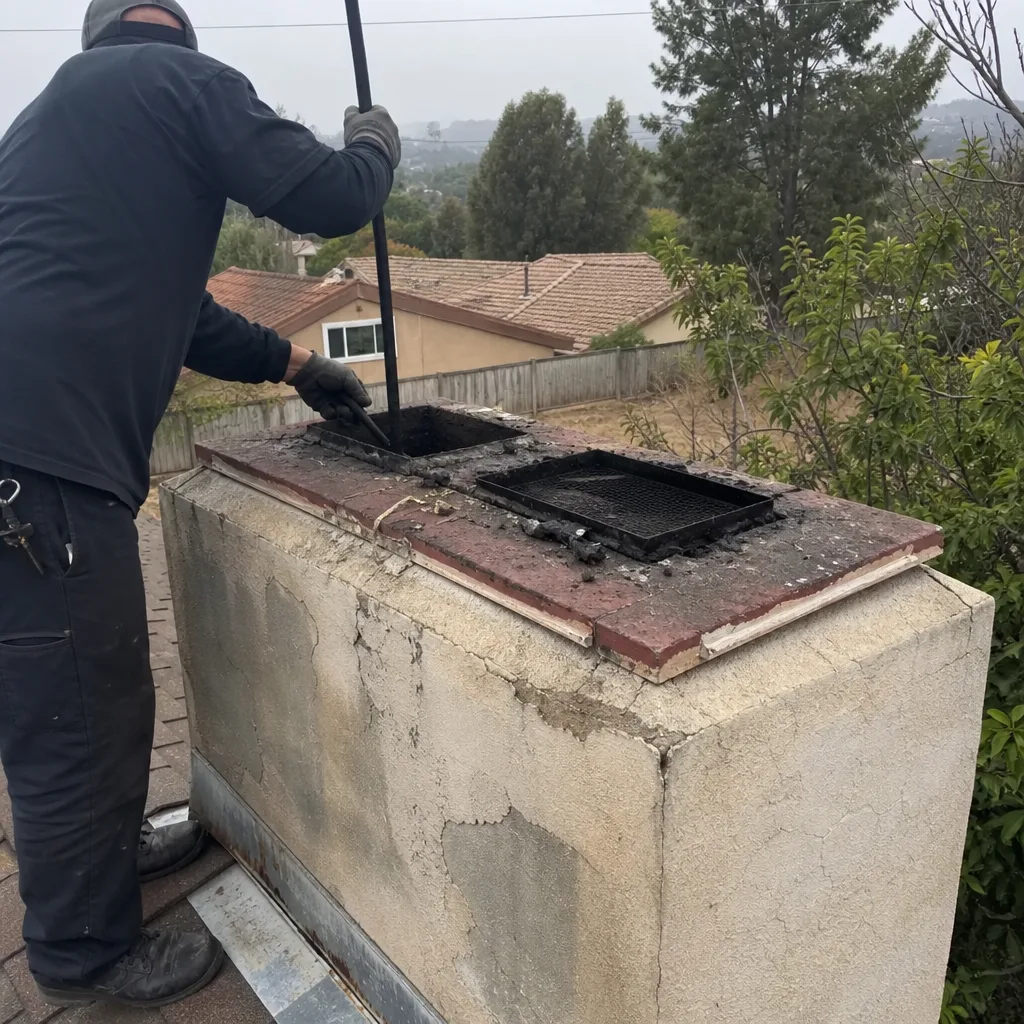 Before
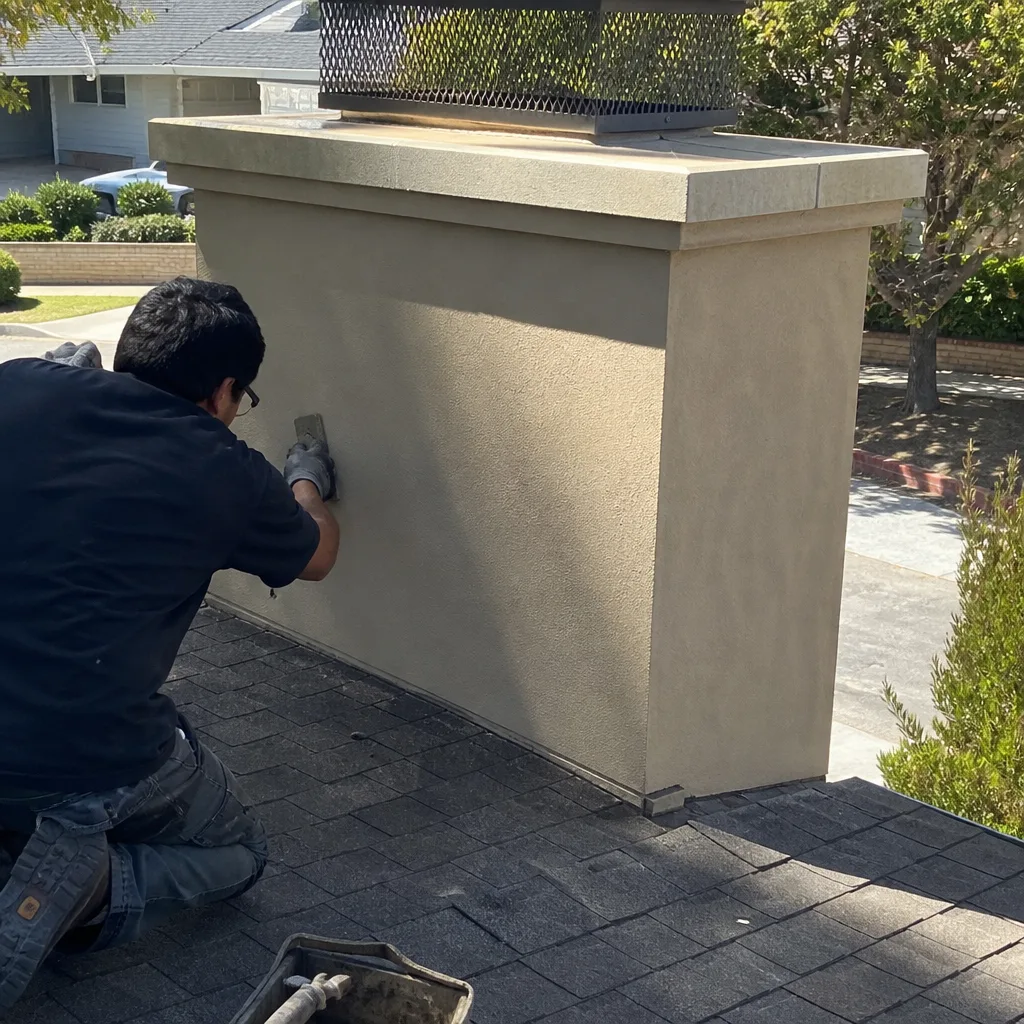 After
After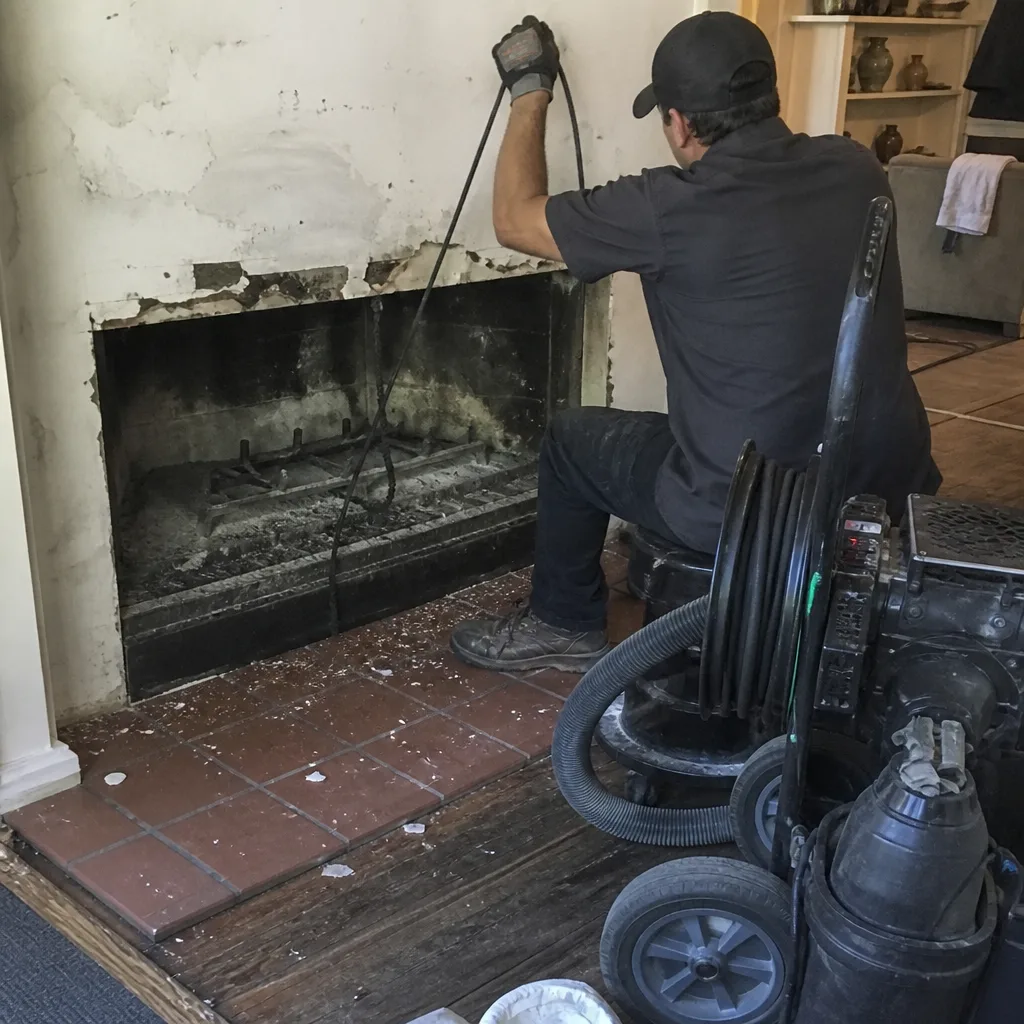 Before
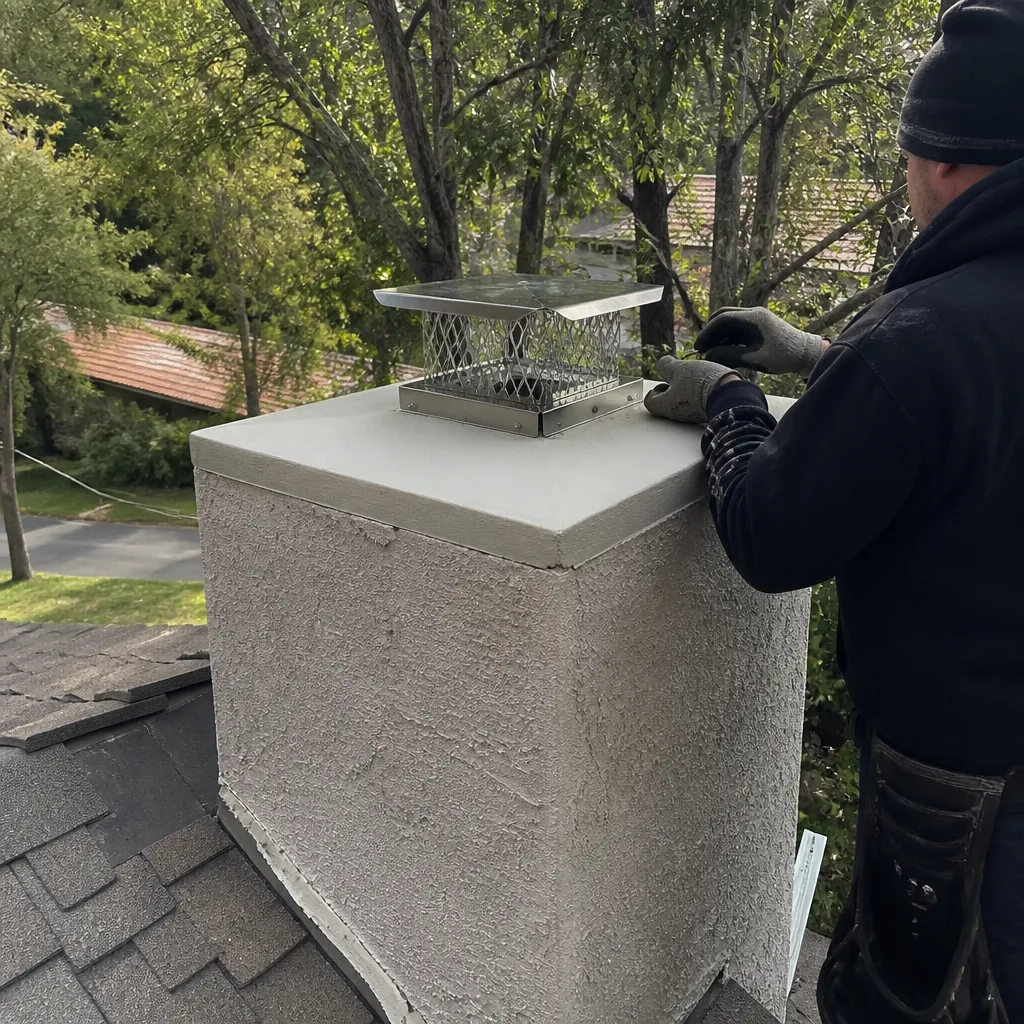 After
AfterThe Complete Guide to Chimney Cleaning in Thousand Oaks
Ventura County issued 14 structure fires traced to chimney ignition in a single fire season - not because homeowners skipped cleaning, but because they paid for cleaning without an inspection that could have caught third-degree creosote glaze first. In Thousand Oaks, where most fireplaces see light, intermittent use from December through March, this pattern repeats every year. Homeowners assume a sweep equals a safety clearance. It doesn’t. This guide maps the full decision tree: what Southern California’s mild winters do to creosote buildup, what a camera inspection actually authorizes a technician to see, what each finding costs before you authorize work, and how to read the documentation that proves the job was done right. For seasonal chimney cleaning care in Thousand Oaks, see our year-round homeowner’s guide.
Quick Answer
Chimney cleaning in Thousand Oaks typically costs $199-$349 for a standard sweep with NFPA 211 Level 2 camera inspection included. The service removes combustible creosote and debris from the flue, documents liner condition with photo evidence, and produces a written report with scope and pricing for any repairs needed. Because Southern California’s mild winters create a unique creosote pattern - cold flue walls with infrequent burns - even light-use chimneys in Thousand Oaks neighborhoods like North Ranch and Lang Ranch can develop hazardous Stage 2-3 glaze within a single season.
Table of Contents
- How Southern California’s Mild Winters Create a Deceptive Creosote Pattern
- Sweep vs. Inspection: The Difference That Costs Homeowners Thousands
- NFPA 211 Inspection Levels: What Each One Authorizes the Technician to See
- Thousand Oaks Fire-Season Timing: When to Schedule and Why
- How to Read a Post-Cleaning Report: Written Record vs. Verbal ‘You’re Good’
- What Chimney Cleaning Costs in Thousand Oaks: A Line-Item Breakdown
- Materials, Standards, and What “Done Right” Actually Means
- Common Mistakes to Avoid
- When to Call a Professional
- Frequently Asked Questions
 Before
 After
AfterHow Southern California’s Mild Winters Create a Deceptive Creosote Pattern
Most Thousand Oaks homeowners burn fewer than 30 fires per season. Logic suggests light use means light buildup. The opposite is often true.
Creosote forms in three stages. Stage 1 is flaky, sooty, and brushes away easily. Stage 2 is shiny, hard, and requires a rotary chain or whip to remove. Stage 3 is a glazed, tar-like coating that can exceed 1/4 inch thickness and is considered an immediate fire hazard by the Chimney Safety Institute of America. In colder climates with frequent burns, the flue stays warm, allowing combustion gases to exit before condensing. In Thousand Oaks, where evening temperatures drop to the 40s and 50s but days often reach the 60s and 70s, the flue cools dramatically between burns. Cold flue walls cause rapid condensation of unburned hydrocarbons. The result: infrequent burns with cold starts deposit Stage 2-3 creosote faster than heavy-use chimneys in Minnesota or Maine.
We’ve documented this pattern across Thousand Oaks neighborhoods. In Westlake Village-adjacent homes off Lynn Road, where owners light “a few holiday fires,” we’ve pulled glazed creosote samples that tested at 1/8 to 3/16 inch after a single season. In North Ranch estates with oversized open hearths used primarily for ambiance, the problem intensifies - large fireboxes with minimal draft pull combustion products slowly, increasing condensation time.
The deceptive part: Stage 3 creosote often looks like dark staining to a flashlight inspection. A homeowner who glances up the flue sees blackness and assumes normal soot. Only a camera scan at the proper angle and lighting reveals the glassy, reflective surface that distinguishes glaze from ordinary deposits.
Key indicators your Thousand Oaks chimney may have deceptive buildup:
- You burn fewer than 3 times per week but smell a sharp, chemical or asphalt odor when the fireplace is cold
- Smoke occasionally backs up into the room on startup, then clears - a sign of partial flue restriction
- Your last “cleaning” was a brush-and-vacuum service with no camera documentation
- The home was purchased between 2015 and 2025 and no Level 2 inspection was performed at sale
Sweep vs. Inspection: The Difference That Costs Homeowners Thousands
The chimney industry profits from conflating two distinct services. Understanding the separation protects your wallet and your safety.
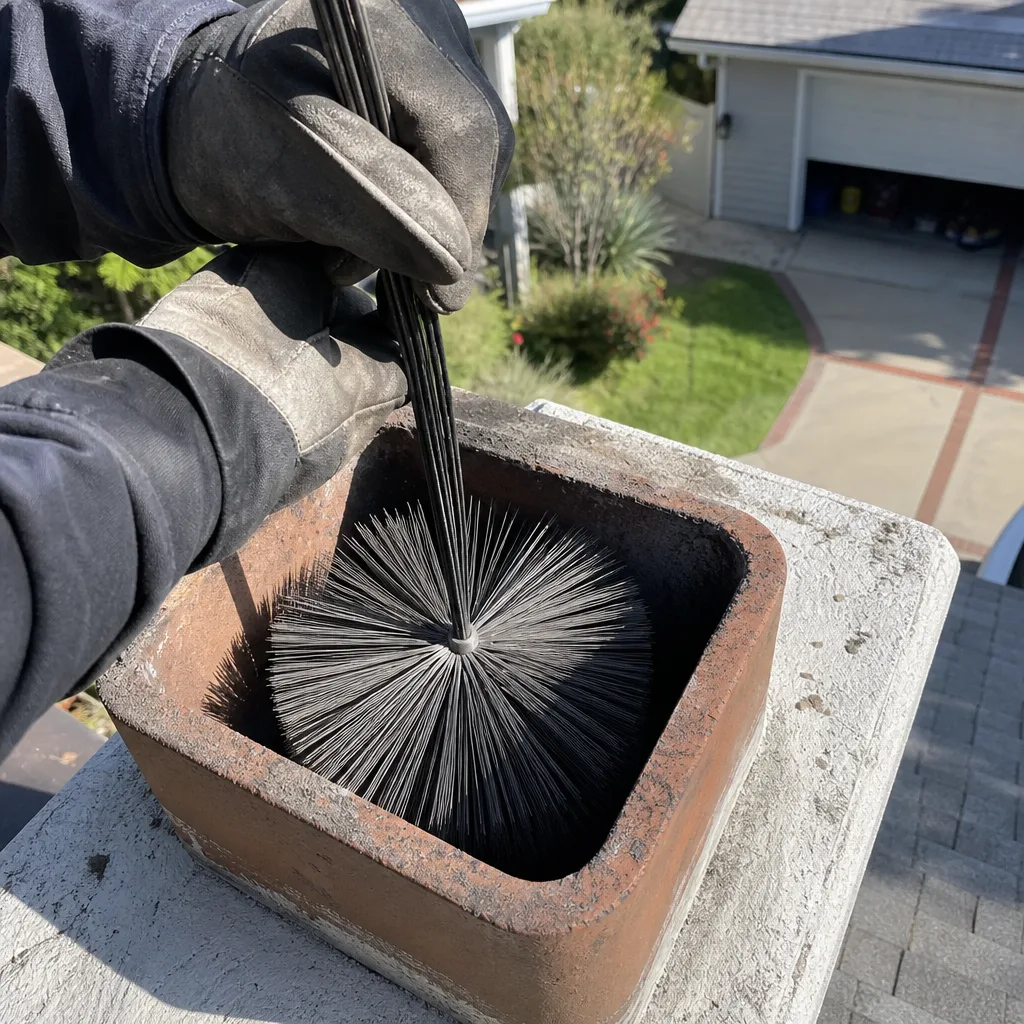
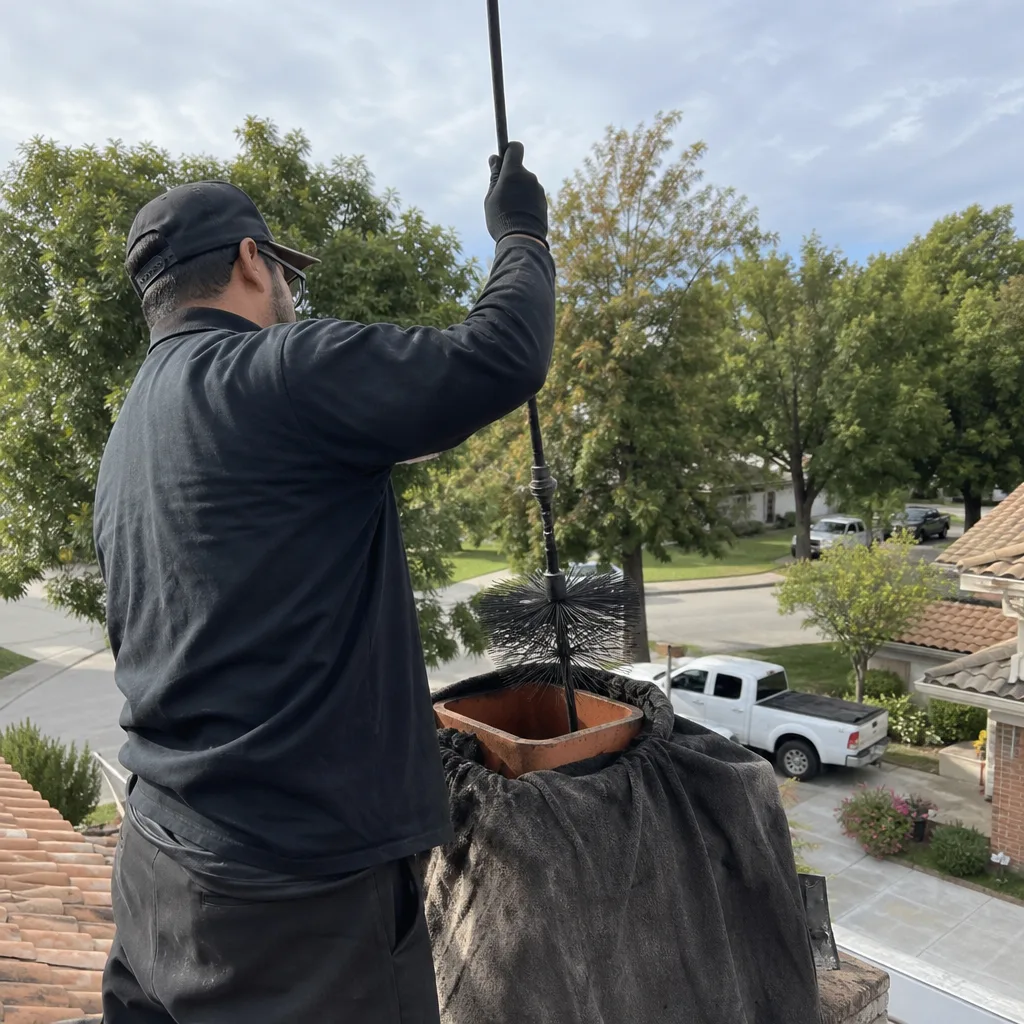
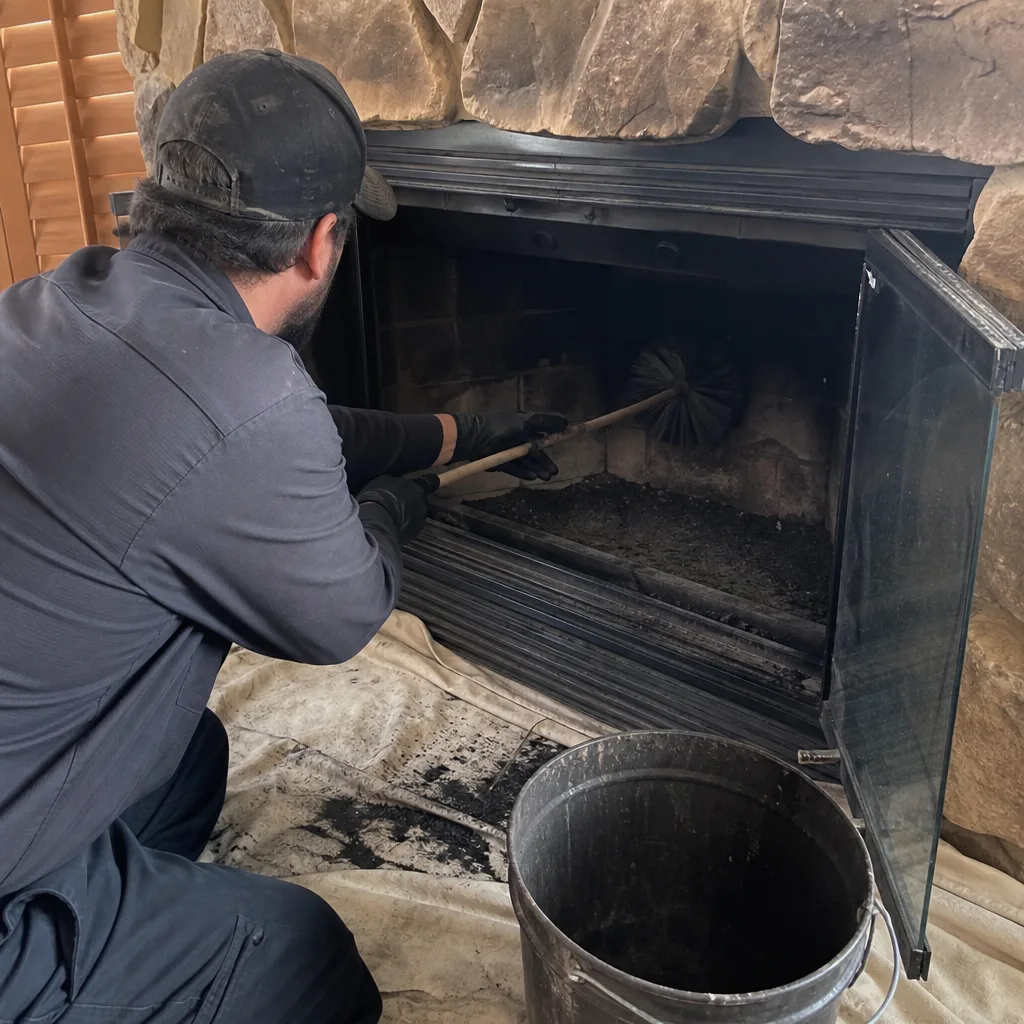
A sweep is debris removal. Brushes, rods, vacuums, and rotary tools physically dislodge creosote, soot, and obstructions from the flue, smoke chamber, and firebox. A sweep answers: “Is the passage clear?”
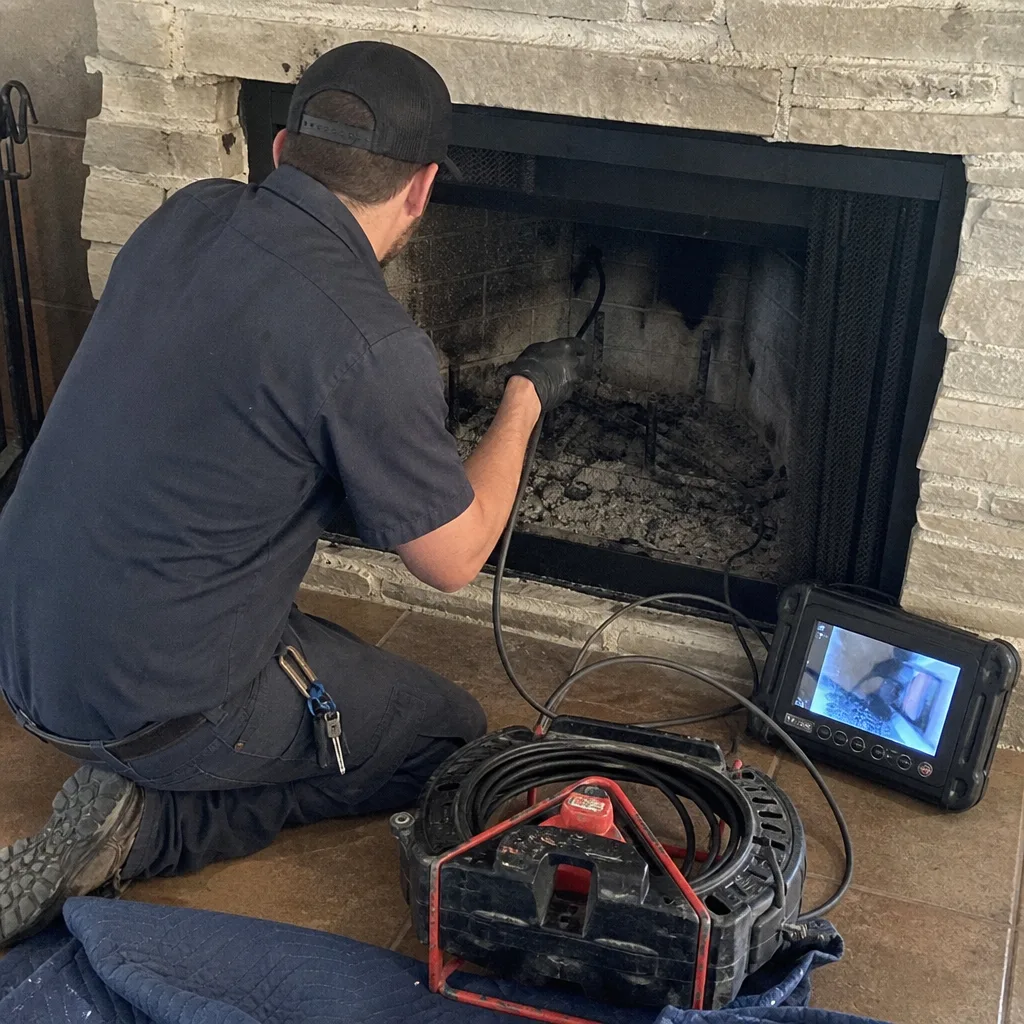
An inspection is condition documentation. Cameras, lights, and trained observation evaluate the flue liner for cracks, gaps, spalling, or displacement; the crown for deterioration; the smoke chamber for corbelled joints and gaps; and the exterior masonry for water intrusion. An inspection answers: “Is the system intact?”
Most Thousand Oaks homeowners who call for “a chimney cleaning” receive a sweep with a cursory flashlight look. Before you book, read our step-by-step guide on hiring a chimney cleaning contractor in Thousand Oaks. The technician reports “looks good” and leaves. No photos. No written liner assessment. No documentation that would support an insurance claim if the chimney later fails.
The cost of this confusion is concrete. We’ve reviewed competitor estimates brought in for our Free Second Opinion - a homeowner in Lang Ranch was quoted $4,200 for a stainless steel liner replacement based on a technician’s verbal claim that “the liner is cracked.” Our camera inspection, conducted under NFPA 211 Level 2 standards, found a single 3-inch hairline crack in a clay tile joint, repairable with HeatShield cerfractory foam for under $800. The homeowner had nearly paid five times the necessary cost because no photo evidence existed to verify or challenge the original claim.
Clause 4 of the Haven Standard requires a documented photo record on every job. Not as an upgrade. Not as an add-on. As standard practice since 2009. Every Level Two Chimney Thousand Oaks customer receives:
- Pre-cleaning camera footage showing creosote class and thickness
- Post-cleaning footage confirming complete removal
- Liner condition documentation with timestamped still images
- Written scope of any recommended repairs with line-item pricing
- Written warranty for all work performed
Without these five elements, you have paid for debris removal, not for the information required to make an informed decision about your home’s safety.
NFPA 211 Inspection Levels: What Each One Authorizes the Technician to See
The National Fire Protection Association defines three inspection levels in NFPA 211, the standard adopted by Ventura County and referenced in most homeowner insurance policies. Most Thousand Oaks residents don’t know which level they’ve received - or which level they need.
Level 1 is a visual examination of readily accessible portions of the chimney exterior, interior, and appliance connection. No tools. No camera. No roof access required. A Level 1 authorizes the technician to confirm basic soundness when no changes have been made to the system and the appliance is being used as it was previously. In our experience, a Level 1 catches approximately 15% of the conditions that lead to chimney fires or carbon monoxide intrusion.
Level 2 includes everything in Level 1 plus examination of accessible attics, crawl spaces, and basements, and - critically - a video scan of the interior flue liner. Roof access is standard. The camera must traverse the full flue length, documenting every joint, every surface, every anomaly. Level 2 is required at property transfer, after an operating malfunction or external event (earthquake, lightning strike), or when any change is made to the appliance or fuel type. This is the inspection standard Level Two Chimney Co. established as default practice in 2009, years before insurers or regulators required it.
Level 3 includes Level 1 and 2 plus demolition of portions of the building or chimney where necessary to access concealed hazards. Level 3 is initiated only when a Level 1 or 2 inspection provides evidence of a hazard that cannot be fully evaluated without removing construction materials. We have recommended Level 3 exactly 23 times in 38,000 inspections - always with photo evidence from Level 2 justifying the invasive step, and always with written homeowner authorization before any demolition begins.
The critical distinction for Thousand Oaks homeowners: a camera is not required for Level 1. Many companies advertise “camera inspection” while performing only a Level 1 visual check with a handheld scope pointed at the firebox ceiling. A true Level 2 camera scan requires:
- A camera head sized for the flue diameter (typically 2-3 inches for residential chimneys)
- Lighting sufficient to reveal liner texture, not just general darkness
- Recording capability producing savable footage, not real-time viewing only
- Full flue traversal from firebox to crown, not a partial “look-see”
When we assign a technician to a Thousand Oaks appointment, the dispatch includes the camera equipment checklist. Clause 4 of the Haven Standard requires it. The customer receives the footage before any repair recommendation is discussed.
Thousand Oaks Fire-Season Timing: When to Schedule and Why
Ventura County Fire Protection District activates enhanced staffing and equipment pre-positioning annually, typically between October 15 and November 1, depending on Santa Ana wind forecasts and vegetation moisture readings. For chimney safety, this timing creates two practical windows.
Pre-season scheduling: April through September
This is the optimal window for Thousand Oaks homeowners. Contractor availability is highest. Pricing is stable - we do not implement seasonal surcharges, though some competitors do. Most importantly, if inspection reveals needed repairs (liner damage, crown sealing, cap replacement), there is adequate time to complete work before the first cold evening triggers the impulse to light a fire.
We’ve observed a consistent pattern in Thousand Oaks scheduling data. Calls from 91360 and 91362 zip codes spike 340% in the first two weeks of November, coinciding with the first Santa Ana wind event that drops temperatures into the 50s. Homeowners who delayed scheduling then face two problems: two-week appointment backlogs at reputable companies, and the temptation to use the fireplace “just once” before the sweep arrives.
Mid-season discovery: October through March
If you light your first fire without pre-season inspection and notice any of the following, schedule immediately and discontinue use until cleared:
- Smoke spillage at startup that does not resolve within 2 minutes
- A hot, acrid smell distinct from normal wood smoke
- Visible creosote flakes falling into the firebox
- Carbon monoxide detector activation (any level above 0 ppm warrants investigation)
Thousand Oaks sits at the western edge of the Santa Monica Mountains with significant topographic variation. Homes above 1,000 feet elevation in areas like North Ranch and Monte Vista experience more extreme temperature swings and higher wind exposure. These conditions accelerate thermal cycling stress on chimney crowns and increase draft variability that can exacerbate creosote condensation. Pre-season inspection is particularly valuable for these properties.
How to Read a Post-Cleaning Report: Written Record vs. Verbal ‘You’re Good’
The documentation you receive after a chimney service is your only verifiable record of what was found, what was done, and what remains to be addressed. A verbal “you’re good to go” is worthless to your insurance company, your home inspector at resale, or your attorney if a defect later causes damage.
Every post-cleaning report from Chimney Cleaning & Sweep in Thousand Oaks contains seven mandatory elements under Haven Standard Clause 4:
- Customer and property identification - address, date, technician name, and job number for archive retrieval
- Pre-service condition documentation - timestamped camera stills showing creosote class (I, II, or III), approximate thickness, and location
- Service performed - specific tools and methods used (rotary chain, poly whip, hand brushes), areas accessed, and debris quantity removed
- Post-service verification - timestamped camera stills confirming clean flue surfaces and complete removal
- Liner and structural assessment - condition rating for each flue tile or liner section, with photo documentation of any cracks, gaps, spalling, or displacement
- Recommended actions with written pricing - line-item scope, materials specified (DuraFlex, HeatShield, Gelco, Olympia Chimney, Famco, or Copperfield as applicable), and total price before any work begins
- Warranty documentation - 365-Day Done Right Promise statement with claim procedure
What to look for in any report you receive from another provider:
Red flags: No photos. Vague language (“some creosote,” “minor wear”). Recommendations without specific measurements or locations. Pricing given verbally or “to be determined.” No warranty terms in writing.
Green flags: Dated, timestamped images with measurement references. Specific creosote classification using CSIA terminology. Liner condition described by flue section (e.g., “third tile from top, south face”). Written price with material brands named. Warranty with clear remedy process.
In Thousand Oaks, where home sales between 2015 and 2025 represent a significant portion of the housing stock, documentation quality affects resale value. A buyer’s home inspector who finds undocumented chimney conditions can flag the system for further evaluation, delaying closing. A seller with a complete Haven Standard archive from Level Two Chimney Co. can provide transferable documentation that satisfies most inspector inquiries without re-inspection.
What Chimney Cleaning Costs in Thousand Oaks: A Line-Item Breakdown
Transparent pricing is Clause 1 of the Haven Standard. We publish ranges because every chimney is different, but we never arrive at a Thousand Oaks home without a written price agreed before work starts.
| Service | Typical Range in Thousand Oaks | What’s Included |
|---|---|---|
| Standard chimney sweep with NFPA 211 Level 2 inspection | $199 - $349 | Full flue cleaning, camera scan, photo record, written report |
| Heavy creosote removal (Stage III glaze) | $349 - $589 | Rotary chain/whip treatment, chemical pretreatment if needed, extended camera documentation |
| Smoke chamber parge coating | $800 - $1,400 | HeatShield cerfractory application, surface preparation, curing verification |
| Clay tile liner repair (localized) | $650 - $1,200 | HeatShield joint repair or sleeve insertion, per tile or joint |
| Stainless steel liner installation (average flue) | $2,800 - $4,500 | DuraFlex or Olympia Chimney liner, insulation, top plate, cap, permit coordination |
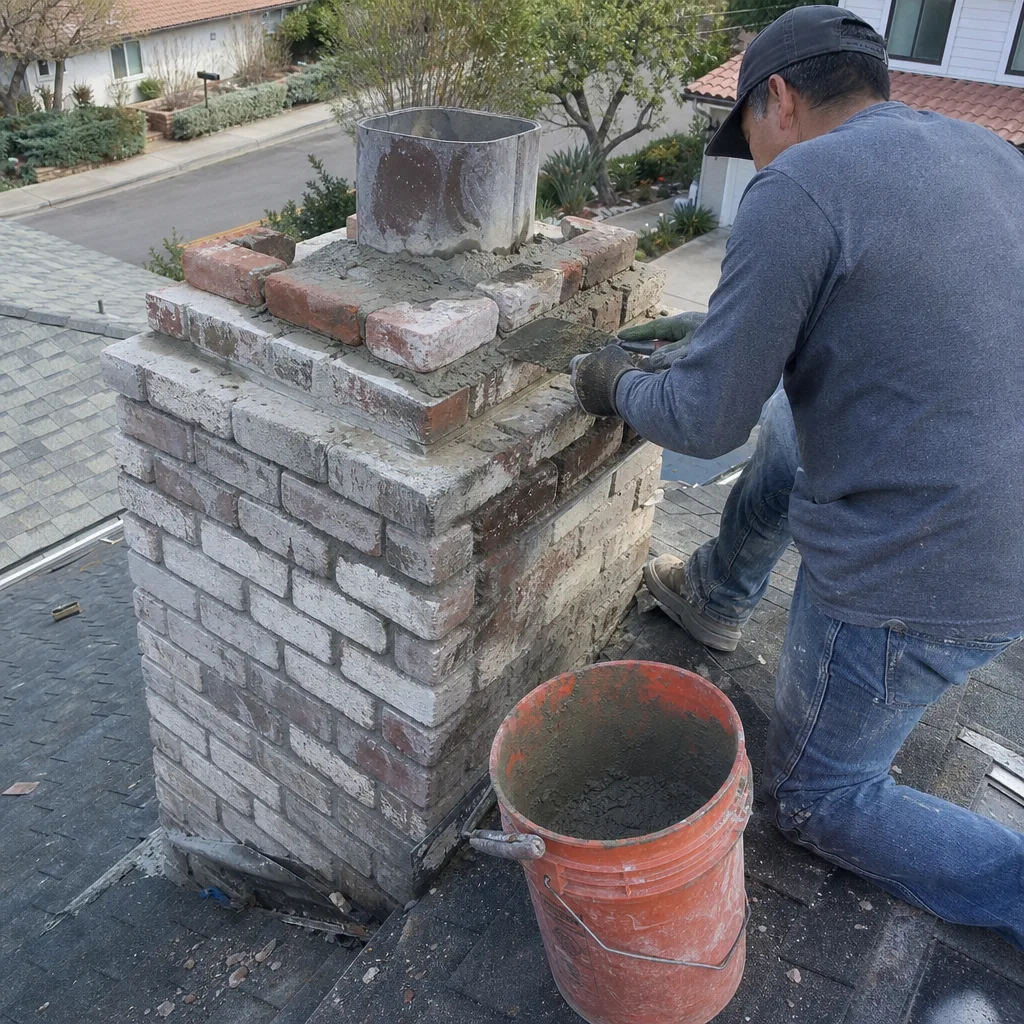
| Crown repair/sealing | $450 - $950 | Surface prep, Gelco or comparable sealant application, crack bridging |
| Chimney cap replacement | $275 - $650 | Famco or Gelco cap, sizing, installation, spark arrestor if required |
Factors that shift Thousand Oaks pricing within these ranges:
- Roof pitch and access - steep composition shingle roofs common in Conejo Valley require additional safety equipment and time
- Flue count and configuration - homes with multiple fireplaces or fireplace-plus-furnace configurations require separate inspections per flue
- Obstruction removal - bird nests, particularly from non-migratory species that establish year-round residence in Thousand Oaks’ mild climate, may require wildlife-sensitive extraction
- Historic construction - pre-1980 homes in original Thousand Oaks neighborhoods often have unlined brick flues requiring modified cleaning protocols
Our Free Second Opinion on any written estimate applies to all pricing categories. Bring a competitor’s written quote; we’ll review their scope against our camera findings and explain any discrepancies.
Materials, Standards, and What “Done Right” Actually Means
The Haven Standard is not marketing language. It is a documented operating protocol with six clauses, each corresponding to a customer protection. Level Two Chimney Co. has operated under this standard since 2009, and every one of our 38,000+ jobs has been executed under its terms.
H.A.V.E.N. - the six clauses:
H - Have it in writing. Written price, written scope, written warranty before any work begins. No exceptions. If a technician begins work without presenting these three documents, the job is out of protocol and the customer owes nothing.
A - Arrive on schedule. Background-checked, uniformed technicians with license information visible. A named technician assigned at booking, with text notification when en route. Thousand Oaks appointments receive 30-minute arrival windows, not all-day waits.
V - Verify with evidence. Camera-scan inspection and documented photo record on every visit. This practice, established in 2009, became Clause 4 of the Haven Standard. We procure materials through Haven’s buying network - DuraFlex, HeatShield, Gelco, Olympia Chimney, Famco, Copperfield - specifically to keep customer prices honest through volume purchasing.
E - Explain before charging. No repair is recommended without camera evidence the customer can see. No work is authorized without understanding. If a condition can safely wait, we say so explicitly.
N - Never leave a mess. Drop cloths, HEPA filtration, post-service walkthrough. The work area is left cleaner than found.
The 365-Day Done Right Promise stamps every job. If it’s not done right, we make it right. This is not a satisfaction guarantee; it is a performance bond. Specific remedy language is included in every written warranty.
For Chimney Repair in Thousand Oaks, the same standards apply. Materials from HeatShield for smoke chamber restoration, Gelco for crown and cap applications, and DuraFlex or Olympia Chimney for liner installations are specified by brand in every written scope, not substituted at installation without customer approval.
Common Mistakes to Avoid
- Booking a “sweep special” without confirming inspection level. A $99 sweep that includes no camera documentation may leave Stage 2-3 creosote undetected and undocumented. Verify NFPA 211 Level 2 is performed, not Level 1 with a flashlight.
- Assuming light fireplace use means minimal risk. Thousand Oaks’ mild climate with cold-start burns actually accelerates glazed creosote formation. Infrequent use is not protective.
- Accepting verbal repair recommendations. Any recommendation for liner work, crown repair, or masonry restoration should be supported by dated, timestamped photos with measurement references. Without these, you have no basis to verify necessity or compare pricing.
- Waiting for November to schedule. Post-Santa Ana wind appointment surges create two-week delays at reputable companies. Schedule April through September for optimal availability and unhurried decision-making.
- Neglecting the smoke chamber. The area above the firebox and below the flue throat is inaccessible to standard sweep brushes. Corbelled brick joints and gaps here are common fire hazards in Thousand Oaks homes built 1970-1995. Only a Level 2 inspection with proper camera angling evaluates this space.
- Ignoring carbon monoxide detector placement. California law requires CO detectors, but placement matters. A detector too far from the fireplace or on the wrong floor may not register dangerous levels from a blocked or damaged flue. Test monthly and replace per manufacturer schedule.
- Failing to document for resale. Thousand Oaks homes from the 2015-2025 purchase cohort will turnover with increasing frequency. A complete chimney service archive with photo documentation transfers to buyers and satisfies most inspection contingencies without re-evaluation.
When to Call a Professional
Schedule a professional chimney evaluation if your Thousand Oaks home matches any of these scenarios, and explore more guides & resources on our blog for additional homeowner support: you’ve never had a camera inspection and your home was purchased after 2015; you smell acrid or chemical odors from the fireplace when it’s cold; smoke spills into the room at startup; your last service was a brush-and-vacuum with no photo record; or you’re preparing to list the property for sale. Carbon monoxide detector activation at any level above zero ppm requires immediate discontinuation of fireplace use and emergency inspection.
Level Two Chimney Thousand Oaks offers free estimates throughout Thousand Oaks and surrounding Ventura County communities. Our technicians are background-checked, uniformed, and equipped for full NFPA 211 Level 2 documentation on every visit. Call (424) 786-6130 to schedule, or request a Free Second Opinion on any competitor’s written estimate.
Frequently Asked Questions
A standard chimney sweep with NFPA 211 Level 2 camera inspection in Thousand Oaks typically runs $199-$349. Heavy creosote removal or glazed deposits raise the range to $349-$589. We provide a written, itemized price before any work begins, and our Free Second Opinion service reviews any competitor’s written quote at no charge. Call (424) 786-6130 for an exact quote - estimates are free.
The National Fire Protection Association recommends annual inspection for all chimneys, with cleaning frequency determined by creosote accumulation, not calendar time. In Thousand Oaks, where mild winters and cold-start burns accelerate Stage 2-3 creosote formation, even light-use fireplaces often require annual cleaning. Heavy use (more than 3 times weekly during season) may need mid-season evaluation. The only way to determine your specific interval is camera documentation of actual buildup rates.
It depends on what the camera shows. A single hairline crack in one clay tile joint can often be repaired with HeatShield cerfractory foam for under $800. Multiple cracked tiles, shifting, or spalling (flaking surface degradation) typically requires stainless steel liner installation at $2,800-$4,500. We will show you the specific footage, explain the failure mode, and explicitly state whether the condition permits deferred action. No liner recommendation is made without photo evidence you can review yourself. Call (424) 786-6130 to schedule camera documentation - estimates are free.
Skipped cleaning allows creosote accumulation to progress from Stage 1 (removable by brushing) to Stage 3 (glazed, tar-like, requiring rotary or chemical removal). Stage 3 creosote ignites at approximately 451°F - temperatures routinely reached in normal fireplace operation. Chimney fires can reach 2,000°F, cracking liners, damaging surrounding structure, and potentially extending to the building envelope. Even without ignition, restricted flues increase carbon monoxide spillage risk. In Thousand Oaks’ tightly sealed modern homes, CO accumulation poses particular hazard due to limited natural ventilation.
A sweep removes debris - creosote, soot, obstructions - using brushes, rods, and vacuums. An inspection documents condition - liner integrity, crown state, structural soundness - using cameras, lights, and accessible examination. A sweep without inspection clears the passage but cannot verify the passage is safe. An inspection without cleaning may be performed on a clean system, but most evaluations require removal of surface deposits to reveal underlying conditions. Level Two Chimney Thousand Oaks performs both together as standard practice, with camera documentation before and after cleaning.
Ventura County Fire activates enhanced staffing October 15-November 1, and homeowner fireplace use spikes with the first Santa Ana wind temperature drop. Appointment requests from 91360 and 91362 increase 340% in early November, creating two-week backlogs at reputable companies. Meanwhile, deferred maintenance discovered at first-fire startup leaves homeowners choosing between unsafe use and cold evenings. Pre-season scheduling April through September eliminates both problems.
The Bottom Line
Chimney cleaning in Thousand Oaks is not a commodity service. It is a decision tree that begins with camera documentation and branches based on what that documentation reveals about creosote stage, liner condition, and structural integrity. Southern California’s mild winters create a deceptive buildup pattern that fools homeowners into underestimating risk. The industry’s most profitable confusion - equating a sweep with a safety clearance - costs Thousand Oaks residents thousands in unnecessary repairs or, worse, leaves genuine hazards undetected. Demand NFPA 211 Level 2 inspection with written photo record on every visit. Get pricing in writing before work starts. And schedule before October, when contractor availability collapses and the temptation to burn first, inspect later, becomes dangerous.
For Fireplace Services in Thousand Oaks including inspection, cleaning, repair, and full documentation under the Haven Standard, contact Level Two Chimney Thousand Oaks at (424) 786-6130.
Written by Corrine Halstead, Owner at Level Two Chimney Thousand Oaks, serving Thousand Oaks since 2009.